

Should Clubs Stop Making In-House Retro Remakes?
- The "Kit Crime" Controversy: Manchester United's recent "retro collection vol.2" has sparked a fierce debate due to its in-house reproductions lacking original manufacturer logos, leading fans to label them "kit crimes" because of the visual imbalance and perceived lack of authenticity.
- Reasons for Fan Dissatisfaction: Fans are particularly dissatisfied because the absence of manufacturer logos on visually engineered modern retro shirts creates an unsettling void, along with design tweaks to avoid intellectual property conflicts and high prices charged for what is seen as a compromised product.
- Club Motivations vs. Authenticity Demand: Clubs pursue in-house remakes to capitalize on nostalgia and bypass complex licensing deals, but fans demand authenticity in classic kits, suggesting that truly authentic reissues or newly designed in-house products, rather than compromised remakes, are preferred.
Manchester United's recent release of their "retro collection vol.2" has reignited a fierce debate across the football community. The drop features in-house reproductions of legendary 2000s designs, including the 2002-04 home shirt, the 2002-03 third shirt, the 2007-08 black away kit, and the 2008 Champions League final shirt. While iconic sponsor names like Vodafone and AIG make a welcome return, there is one glaring absence that fans immediately picked up on: the missing Nike Swoosh.
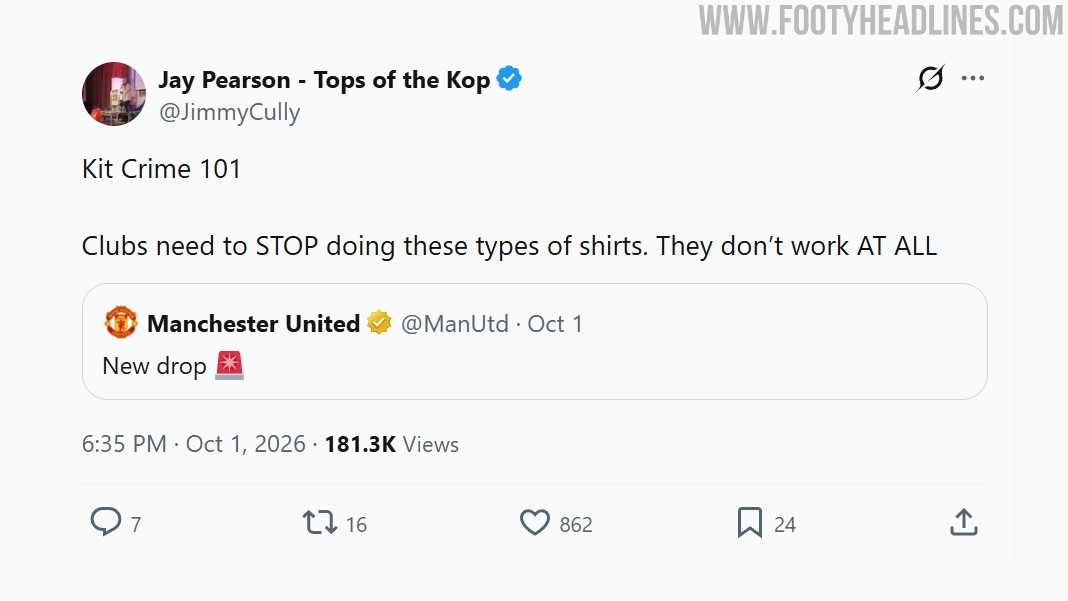
The more blank the original kit, the more odd the remake
The Rise of the "Kit Crime" Replica
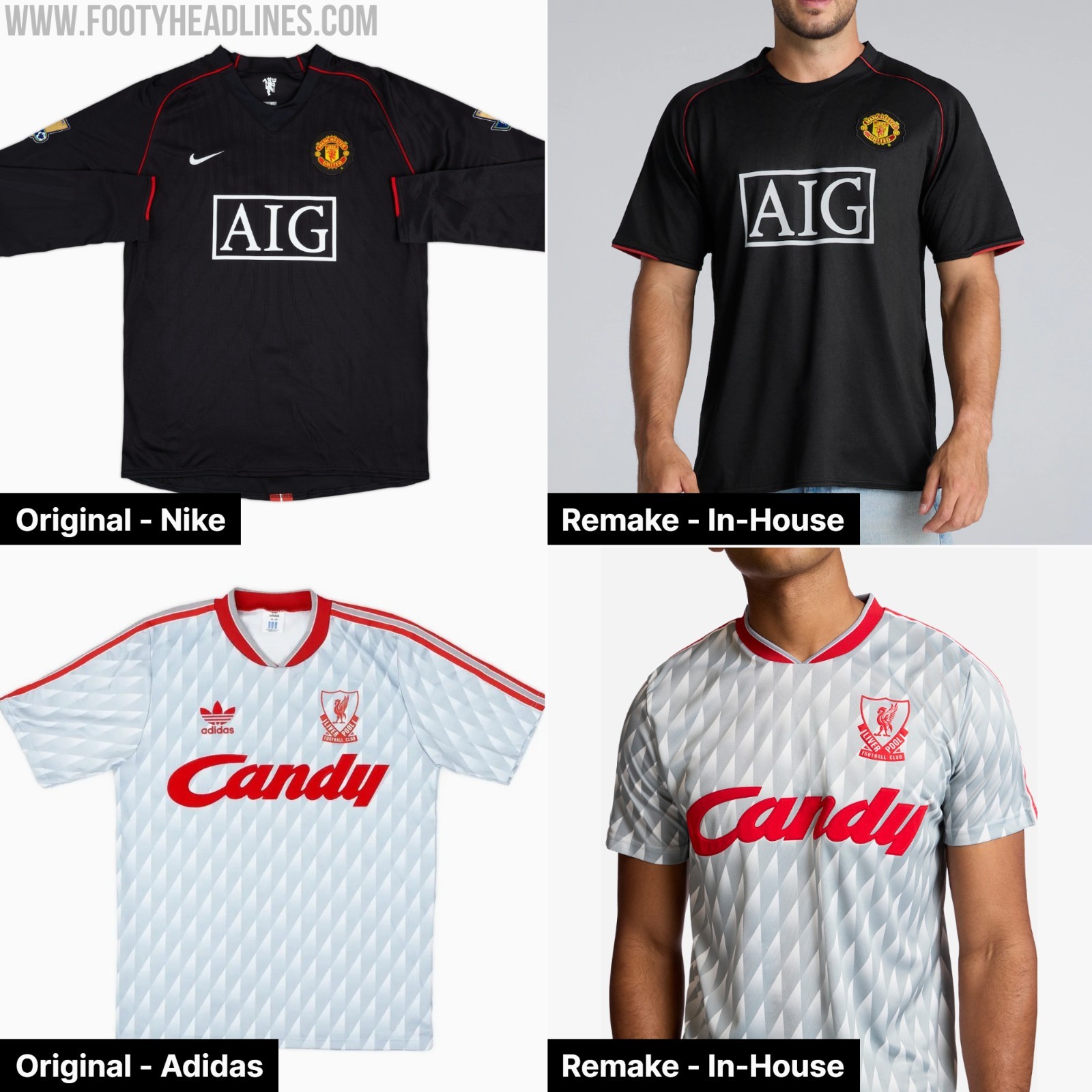
Because the kits are manufactured and sold in-house by the club rather than Nike or current kit supplier Adidas, the manufacturer logo cannot legally appear on the chest. For many, this creates an unsettling void. Unlike shirts from the 1960s or 1970s, which originally featured only a club crest, modern shirts from the 1990s and 2000s were visually engineered around the synergy of the crest, front sponsor, and manufacturer mark. Stripping the manufacturer logo leaves the right chest completely bare and throws the entire composition off balance.
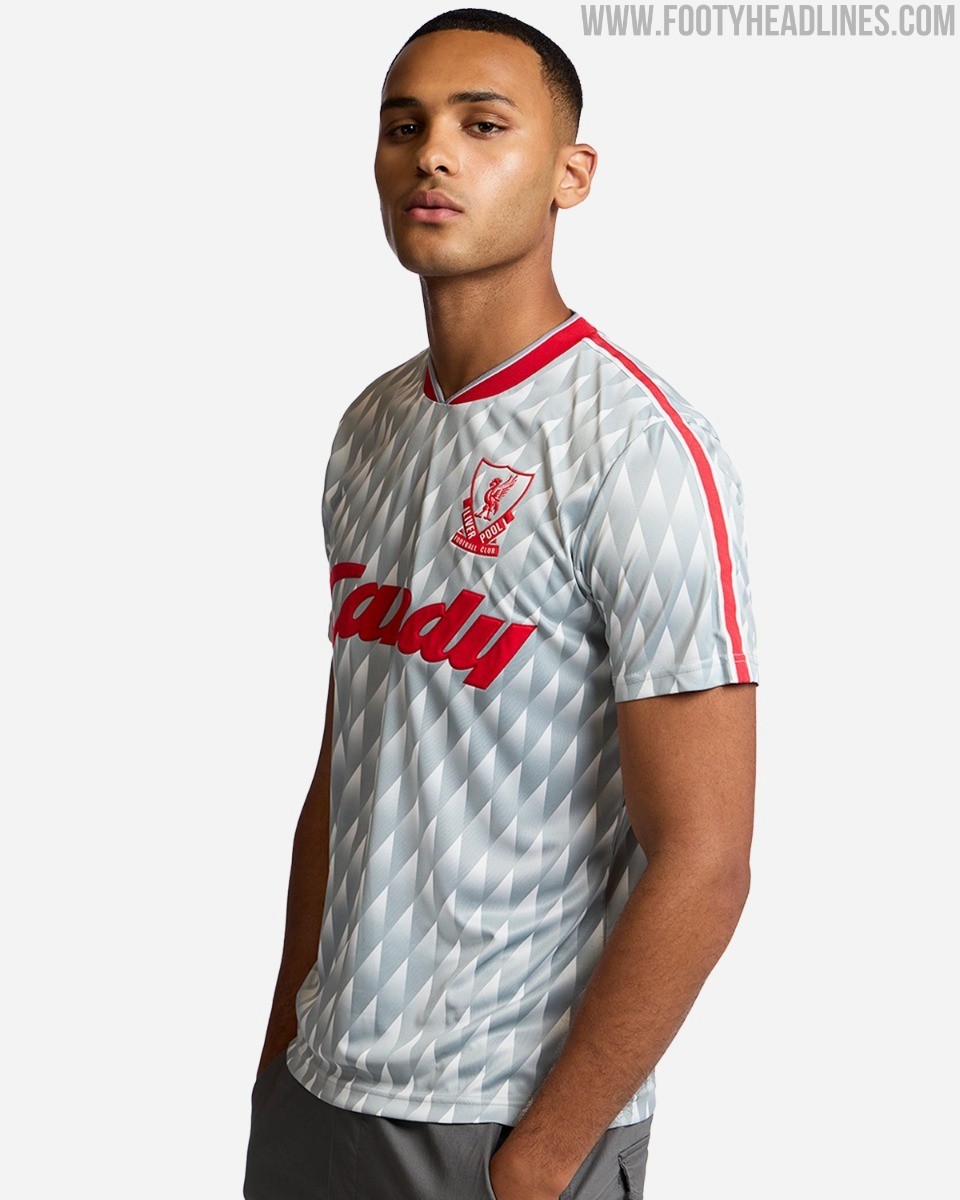
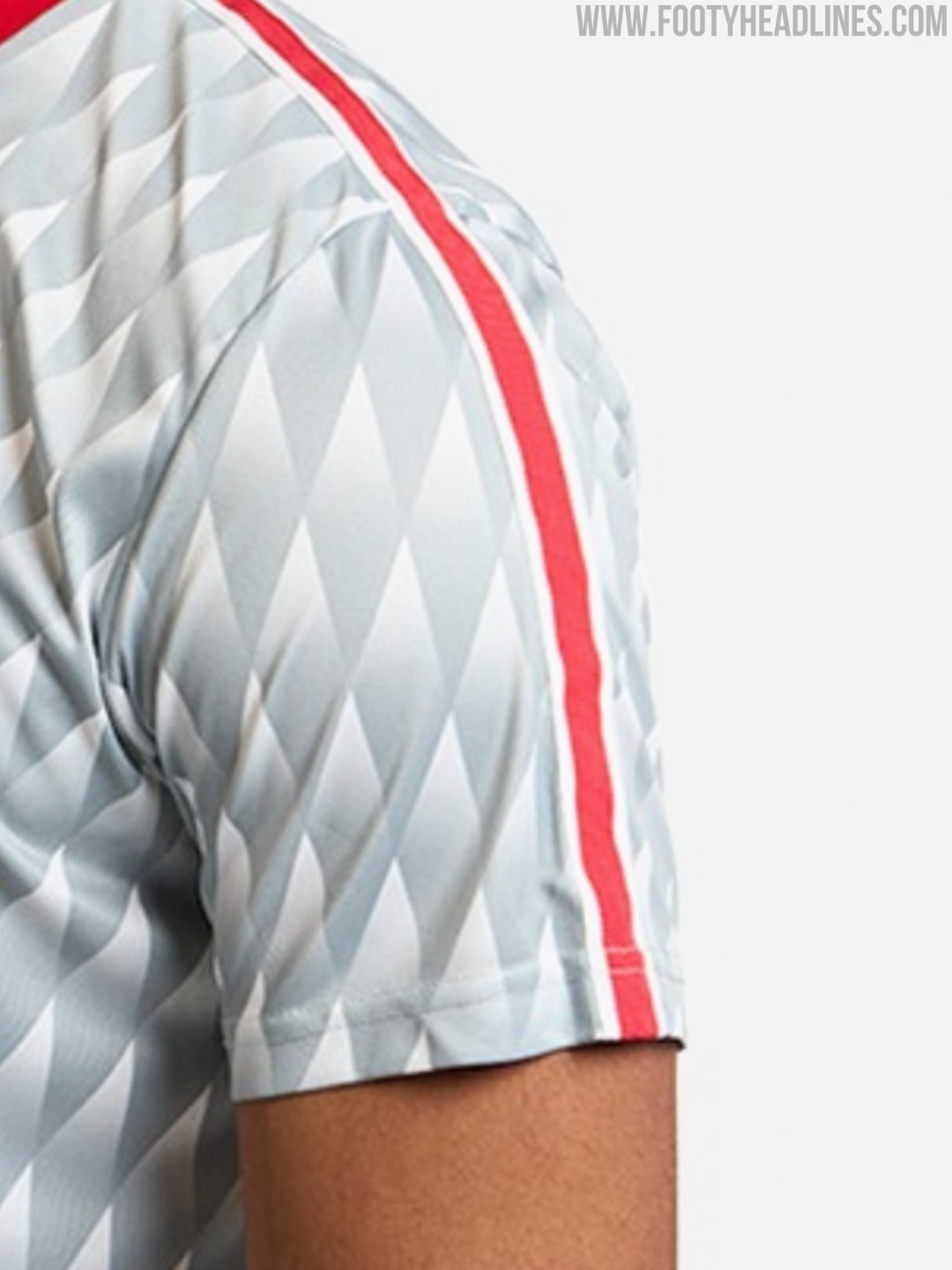
The 3 stripes were replaced by a single red stripe
The fan backlash was swift, with many collectors labeling the release a "kit crime" and questioning whether clubs should produce these shirts at all. In addition to the empty right chest, in-house reissues often tweak cuts, collar constructions, and sleeve detailing to sidestep intellectual property conflicts with former suppliers. The result often ends up resembling an unlicensed market knock-off.
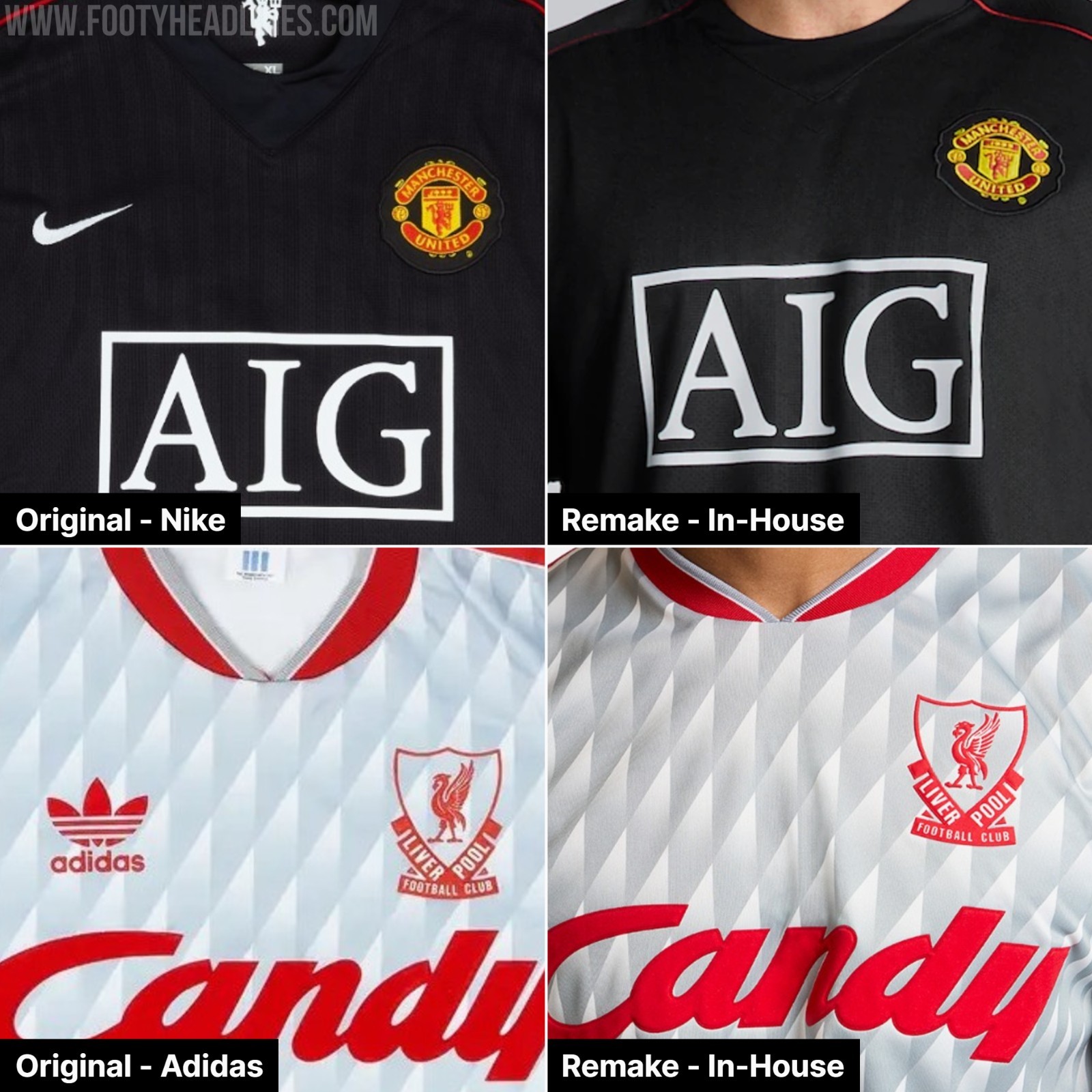
Price is another major sticking point for supporters. Clubs are charging upwards of £50 to £65 for these in-house editions - near-authentic prices for a visibly compromised product.
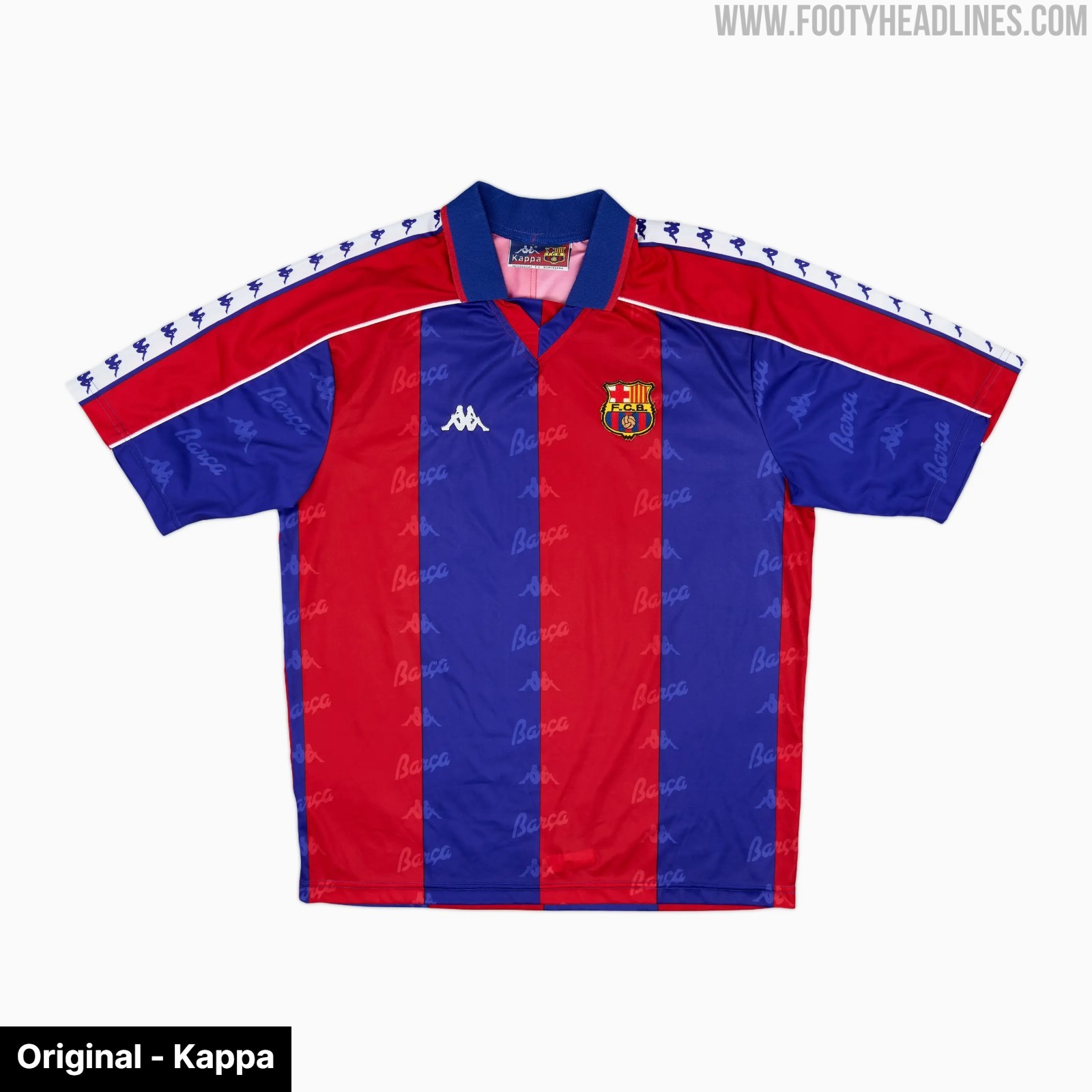
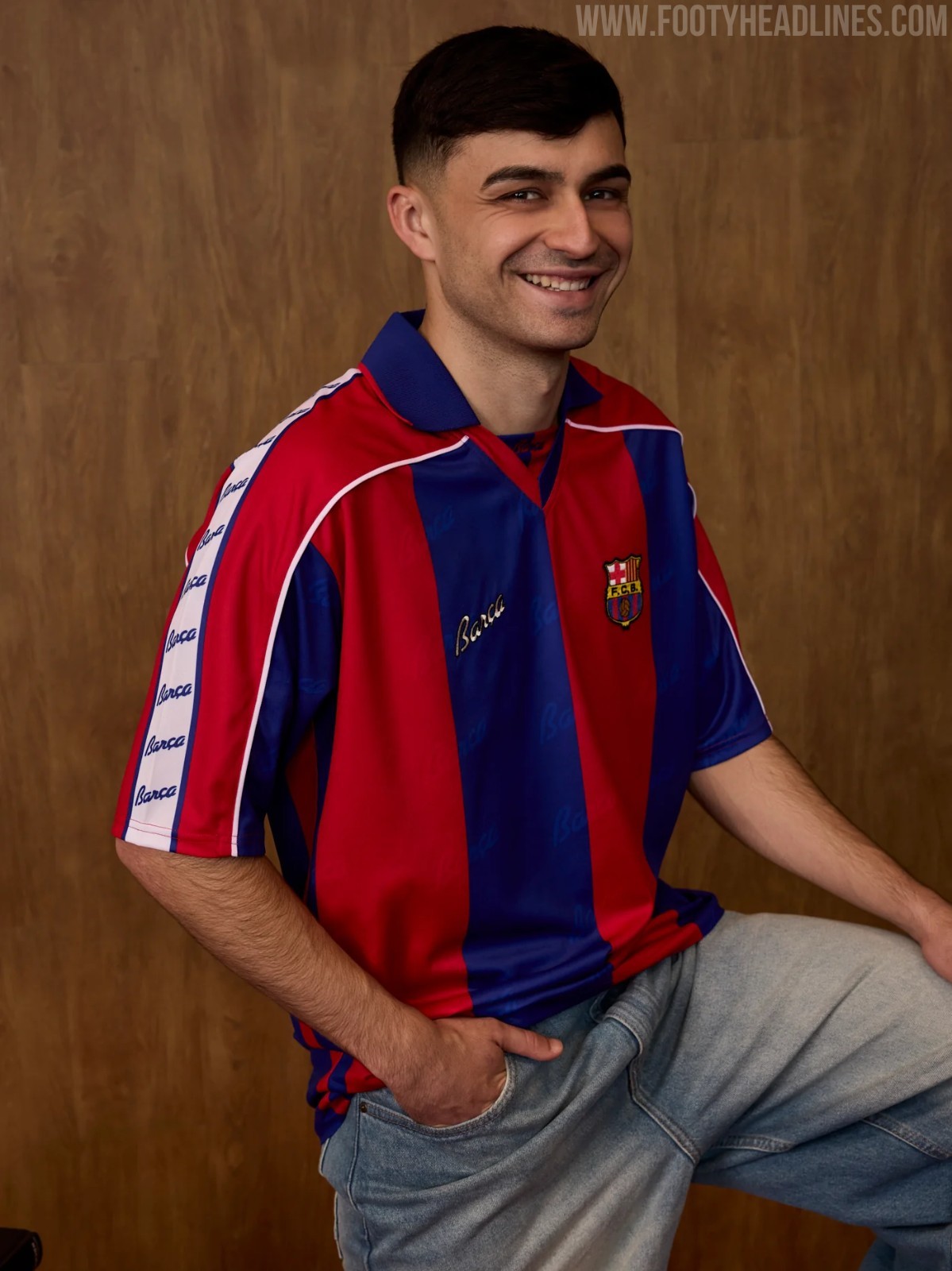
At the same time, it is easy to see why clubs pursue this route. Nostalgia is arguably the biggest commercial driver in modern football merchandise, and not every club can strike complex, multi-party licensing deals with former kit makers. However, releases like Adidas' 1:1 reissues, bringing back genuine Trefoil branding and archival templates, prove that fans demand authenticity above all else when it comes to classic kits.
Counterfeits are available for a fraction of the price
There is another problem with the in-house remakes. It is easily possible to get some counterfeits of iconic old kits for a fraction of the price - even though the remakes often fall short when it comes to cuts.
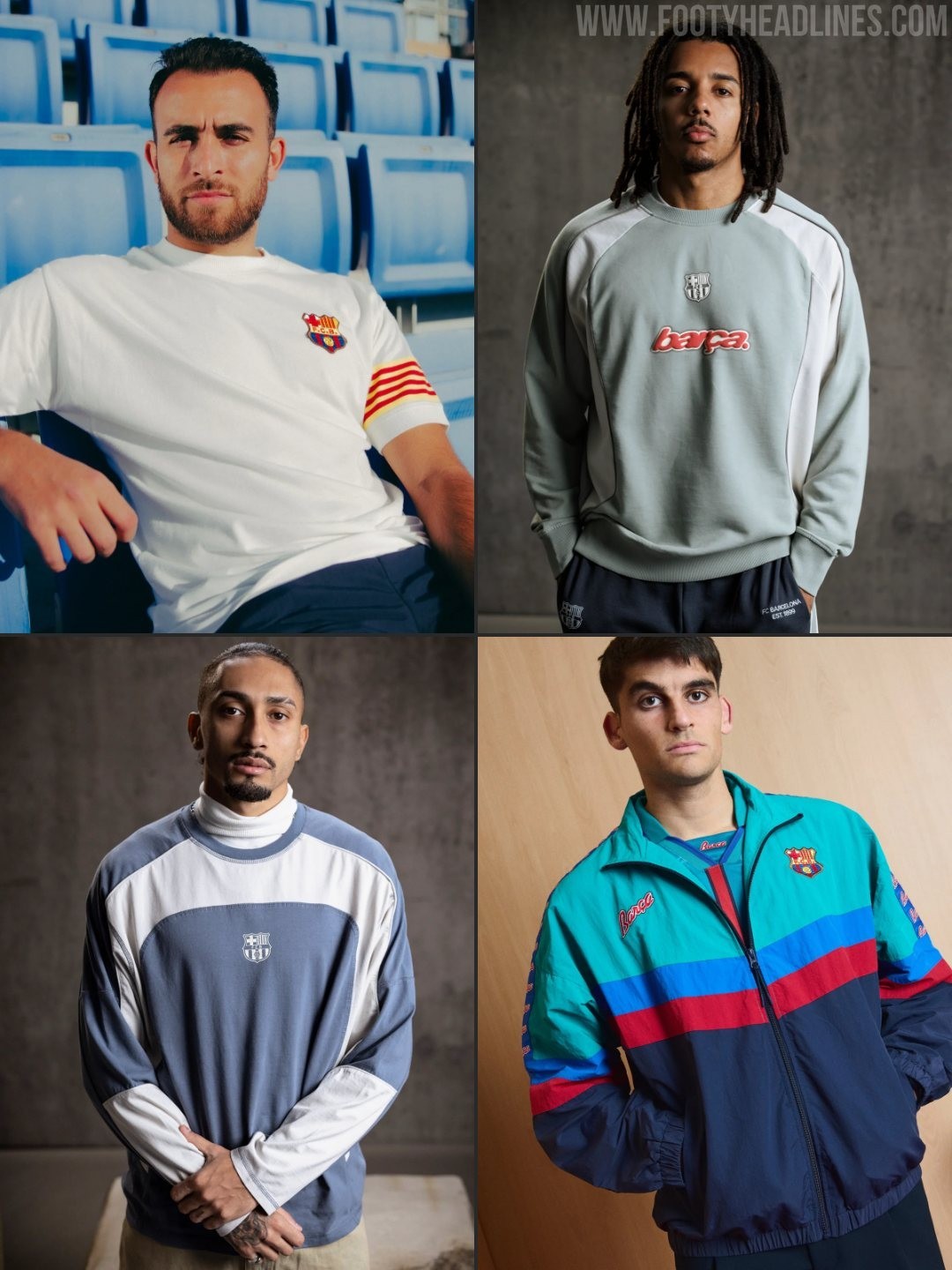
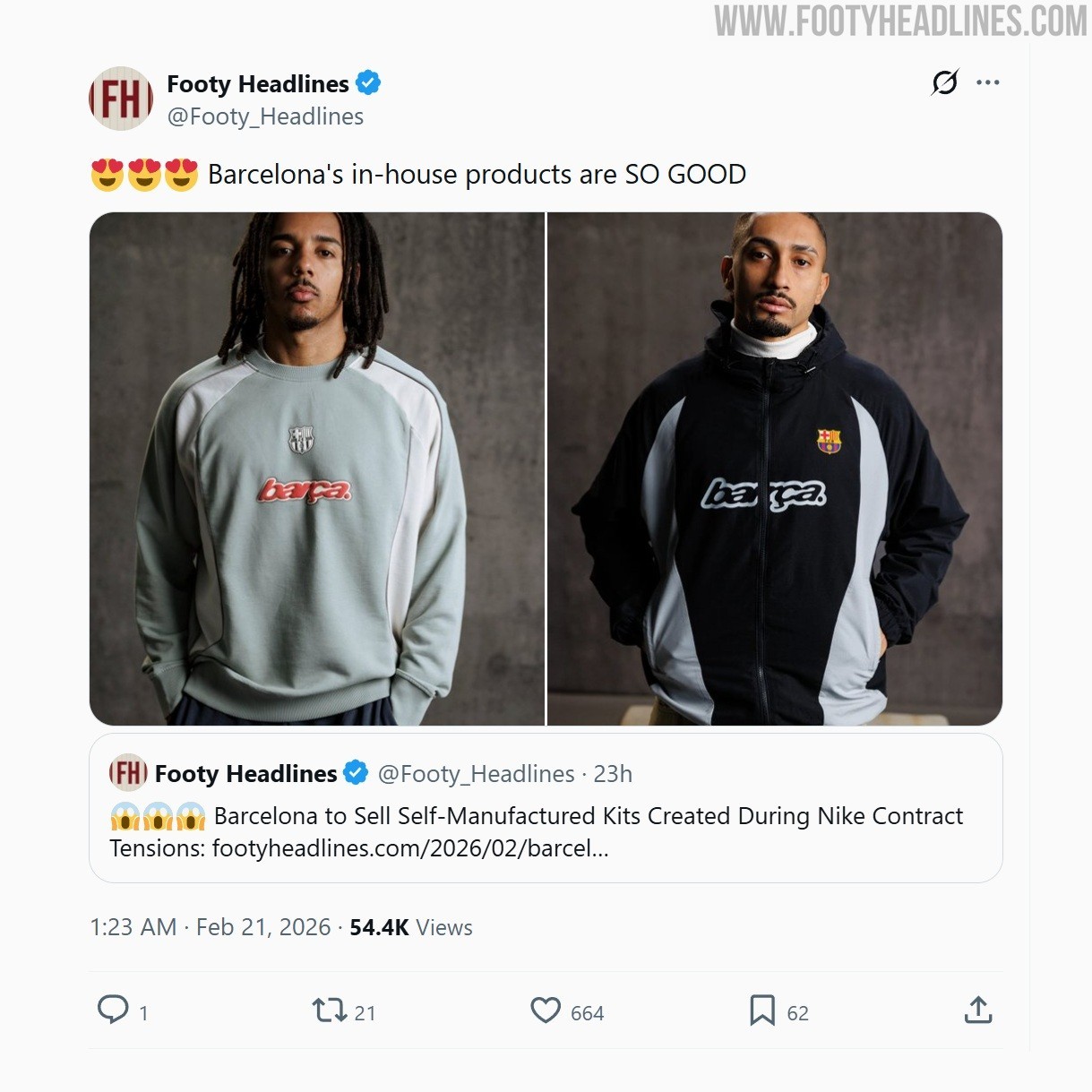
One option that clubs could enforce is the release of newly designed in-house products, as greatly done by Barcelona.

Do you think clubs should stop releasing in-house remakes without brand logos, or do you welcome cheaper, easily accessible retro shirts? Let us know in the comments below.