

Castore Explores Potential Sale - But Is the Brand Really in a Position of Strength?
- Potential Sale Exploration: Castore is exploring strategic options, including a full or partial sale, following unsolicited takeover approaches from rival brands and international investors, with JPMorgan appointed to evaluate interest.
- Financial Performance Concerns: Despite rapid expansion and a high valuation, Castore has never turned an annual profit, reporting pre-tax losses exceeding £40 million due to relentless capital spending and operational expansion.
- Reputational Damage and Product Issues: The brand has faced significant reputational damage among football fans and clubs due to a consistent string of high-profile product quality and logistical failures, leading to early contract terminations by key partners.
British sportswear manufacturer Castore is exploring strategic options, including a potential full or partial sale, following reportedly unsolicited takeover approaches from rival brands and international investors. The Manchester-based company, founded in 2016 by brothers Tom and Phil Beahon, has appointed investment bank JPMorgan to evaluate inbound interest, which reportedly includes potential suitors from China and other global markets. While a formal auction process has not yet been triggered, the board is evaluating scenarios ranging from a minority investment to a complete buyout, with the Beahon brothers expected to remain in operational roles regardless of the outcome.
Castore's Brand Is Debt-Funded
The timing arrives as Castore approaches its ten-year milestone. The brand reached an estimated valuation of around £950 million during a 2023 funding round led by The Raine Group, and it has since pursued aggressive corporate expansion. The company recently secured a £90 million revolving credit facility, acquired historic outerwear brand Belstaff with backing from Ineos, and bought heritage shoemaker Grenson. In the teamwear landscape, Castore also executed a major maneuver by securing the exclusive Umbro Professional Team Sports sub-license across key European markets, effectively allowing them to manage kit deals under the beloved double-diamond banner.
Pre-tax losses widened past £40 million
Behind the shiny headlines and corporate posturing, however, the narrative looks very much like a story planted or encouraged by the company itself to test the market and drum up valuation hype. Despite boasting rapid turnover expansion and repeatedly claiming to challenge industry titans like Adidas, Nike, and Puma, Castore has never turned an annual profit. In its latest reported financial period, pre-tax losses widened past £40 million as relentless capital spending, aggressive upfront guarantees, and operational expansion continued to outpace earnings.
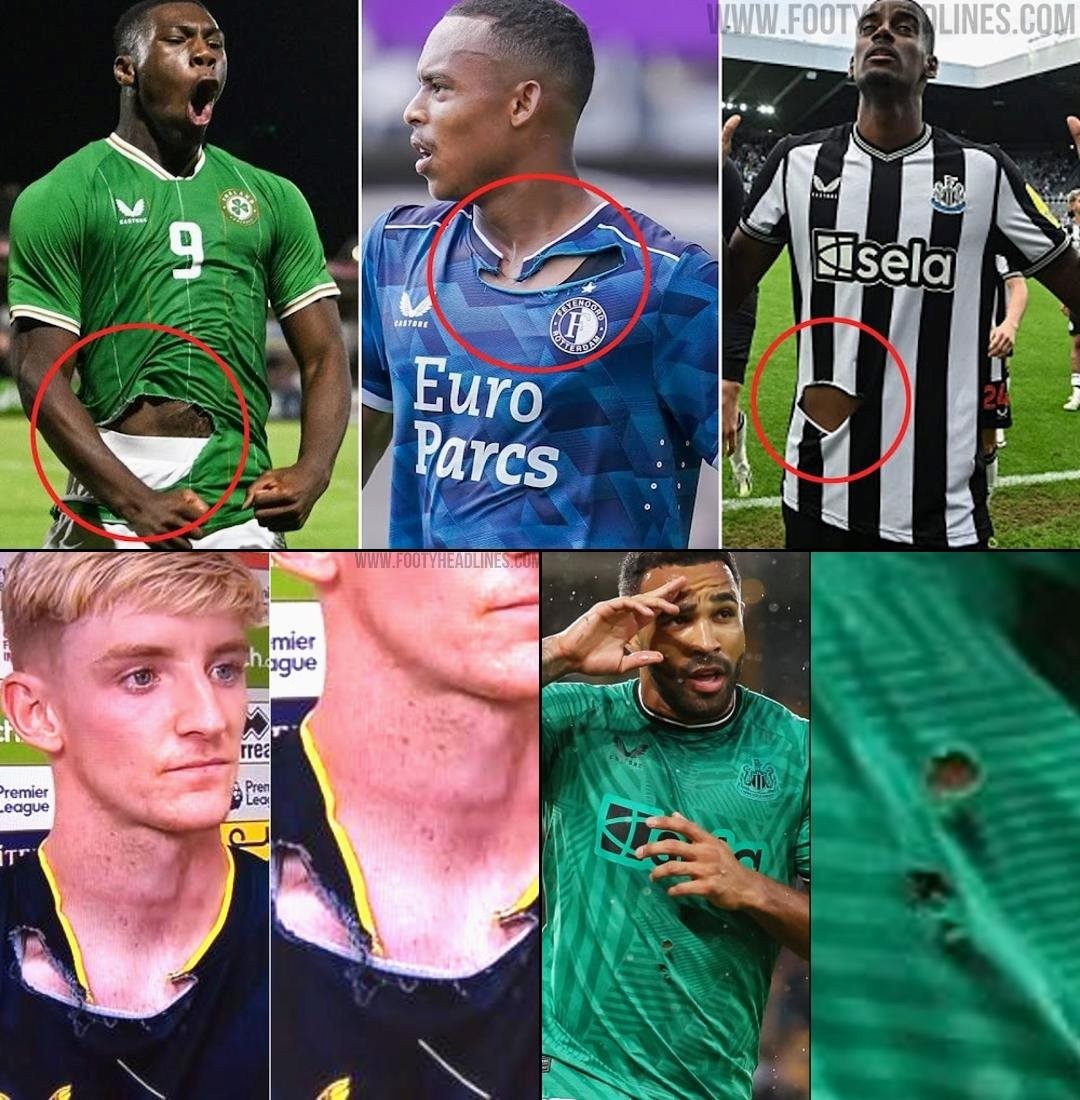
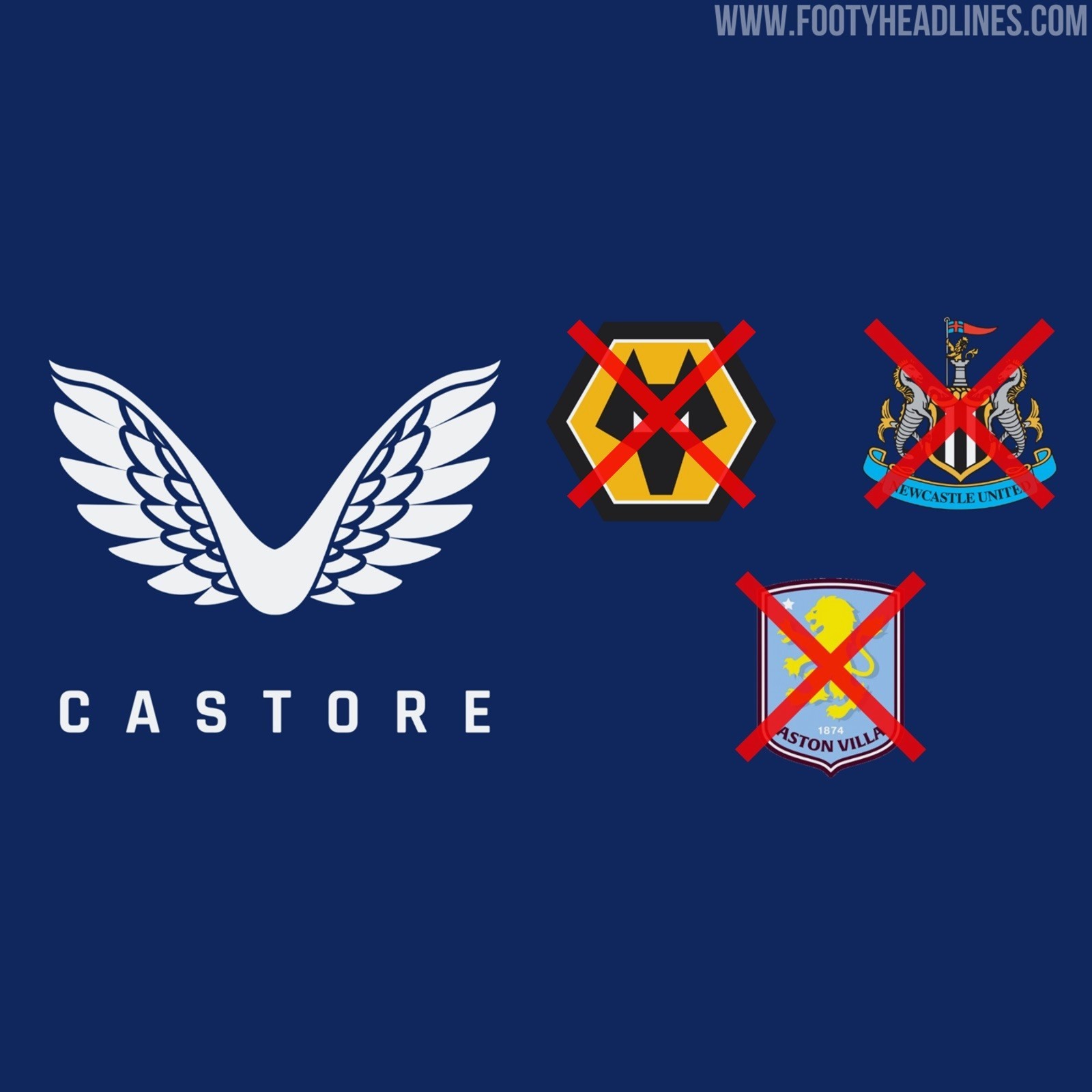
More critically, the Castore brand has suffered immense reputational damage among football fans and club executives due to a long string of high-profile quality and logistical disasters. From the infamous clinging "wet-look" jerseys at Aston Villa to tearing fabric, peeling crests, printing blunders, and chaotic retail fulfillment, the company's premium performance claims have routinely fallen flat on the pitch. These relentless missteps directly prompted both Newcastle United and Aston Villa to scrap their contracts early in favor of returning to Adidas, leaving a stain on Castore's football division that marketing spin cannot easily erase.
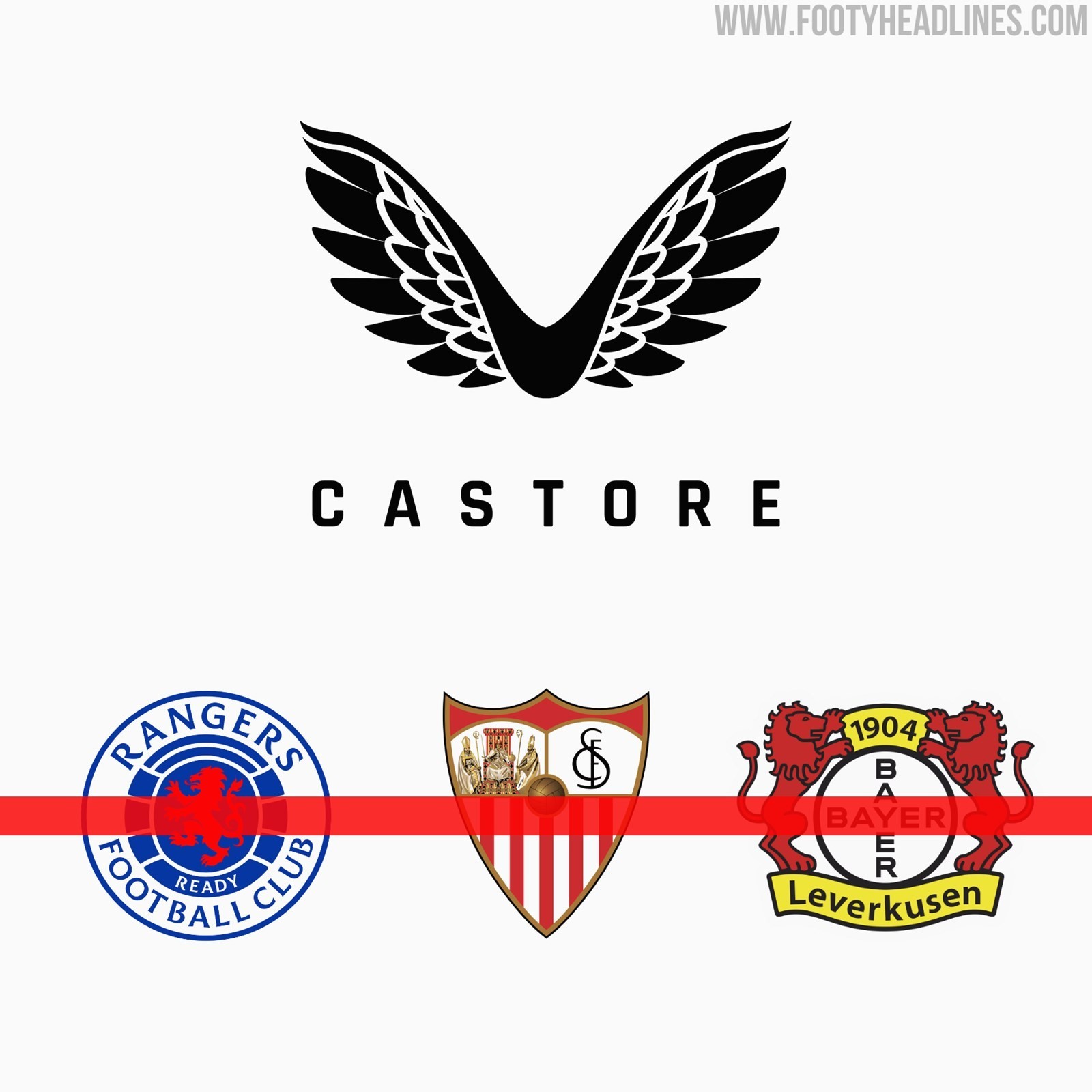
In hindsight, securing the Umbro licensing rights appears to have been Castore's best strategic move, allowing the group to pitch a trusted, nostalgic brand to clubs who had become increasingly hesitant to sign deals carrying the Castore wings. Castore simply does not hold the commanding position of strength that its founders like to portray in the business press.