Revolution: Nike Mercurial 2024-25 vs Next-gen 2026 (Superfly 11 / Vapor 17) - the Full Breakdown
 Jan 29, 2026, by Phan Tich Giay

- Next-Gen Mercurial Design: The 2026 Nike Mercurial (Superfly 11/Vapor 17) represents a complete redesign, moving away from the shared features of the Vapor 12/Superfly 6.
- Material and Collar Changes: Flyknit is replaced by FlyWeave Ultra (Superfly 11) and Atomknit (Vapor 17), and the Dynamic Fit collar is replaced by a low-cut design on both models.
- Soleplate Differences: The Superfly 11 features an enhanced Air Zoom soleplate with ZoomX foam, while the Vapor 17 introduces a new FlyLight plate optimized for weight reduction and quick movements.
The next generation of Nike Mercurial is not just an update, it is a complete reinvention. Based on exclusive leaks, Footy Headlines can now provide a full breakdown comparing the current Mercurial (Superfly 10/Vapor 16) with the radical Next-Gen 2026 Mercurial (Superfly 11/Vapor 17).
Nike is discarding elements that have defined the silo for over a decade. Here is the full technical analysis.
Nike Mercurial 2024-25 vs Next-gen 2026 (Superfly 11 / Vapor 17)
Since the Vapor 12 and Superfly 6 in 2018, the two boots have been identical in terms of features and soleplates, with the only difference being the Dynamic Fit collar. That ends in 2026. The Superfly 11 and Vapor 17 will feature different upper materials, different technologies, and even different soleplates.

The End of an Era: Goodbye Flyknit & Dynamic Fit
For the first time since 2014, Flyknit is gone. The technology that defined the Mercurial for 12 years has been replaced by advanced textile tech borrowed from Nike's elite running division.

- Superfly 11: Uses FlyWeave Ultra.
- Vapor 17: Uses Atomknit.
Furthermore, the Superfly 11 returns to a low-cut design. This marks the end of the high-cut "Dynamic Fit" collar era that revolutionized football boots in 2014.
If we look at the overall design, the Vapor 17 appears to be an upper upgrade over the Vapor 16, while the outsole of the Superfly 11 seems to be an upgraded version of the Superfly 10’s outsole. Meanwhile, the outsole of the Vapor 17 and the upper of the Superfly 11 are completely new developments from Nike.

Model Breakdown: Superfly 11 vs. Vapor 17
Since they are no longer clones, we must analyze them separately.

Upper
- Superfly 11: The FlyWeave Ultra upper is designed for a snug, sock-like fit while remaining incredibly lightweight. It is a completely new direction for the Superfly upper.
- Vapor 17: Uses Atomknit. This material is drastically lighter and thinner than Flyknit, offering a barefoot feel while maintaining structure. Visually, the upper looks like a direct upgrade of the current Vapor 16.


Soleplate
- Superfly 11: The soleplate appears to be an evolution of the current Air Zoom generation. It is built on the Air Zoom foundation but upgraded with three additional studs for better traction during explosive movements. It incorporates a ZoomX foam liner (used in the Alphafly running shoes) for higher energy return with every step.
- Vapor 17: This is where the Vapor diverges. It uses an all-new FlyLight plate. It is thinner, more rigid, and features rounded V-studs optimized for quick cuts and direction changes.
Thanks to Atomknit and the FlyLight plate, the Vapor 17 is approximately 20% lighter than the Vapor 16. We expect it to weigh in at around 160 grams.
Summary of Changes
| Feature | Current Gen (2024–25) | Next-Gen (2026) |
|---|---|---|
| Relationship | Identical Tech | Completely Different Boots |
| Material | Flyknit | FlyWeave Ultra (Superfly) / Atomknit (Vapor) |
| Collar | Dynamic Fit (Superfly) | Low Cut (Both) |
| Soleplate | Air Zoom (Shared) | ZoomX Enhanced (Superfly) / FlyLight (Vapor) |
Nike is clearly pushing the boundaries of weight reduction and energy return, adapting successful running technology for the pitch.
Which concept excites you more: The ultra-light Atomknit Vapor 17 or the energy-returning Superfly 11? Let us know in the comments below.



No More Adidas: Macron Aberdeen 26-27 Third Kit Released
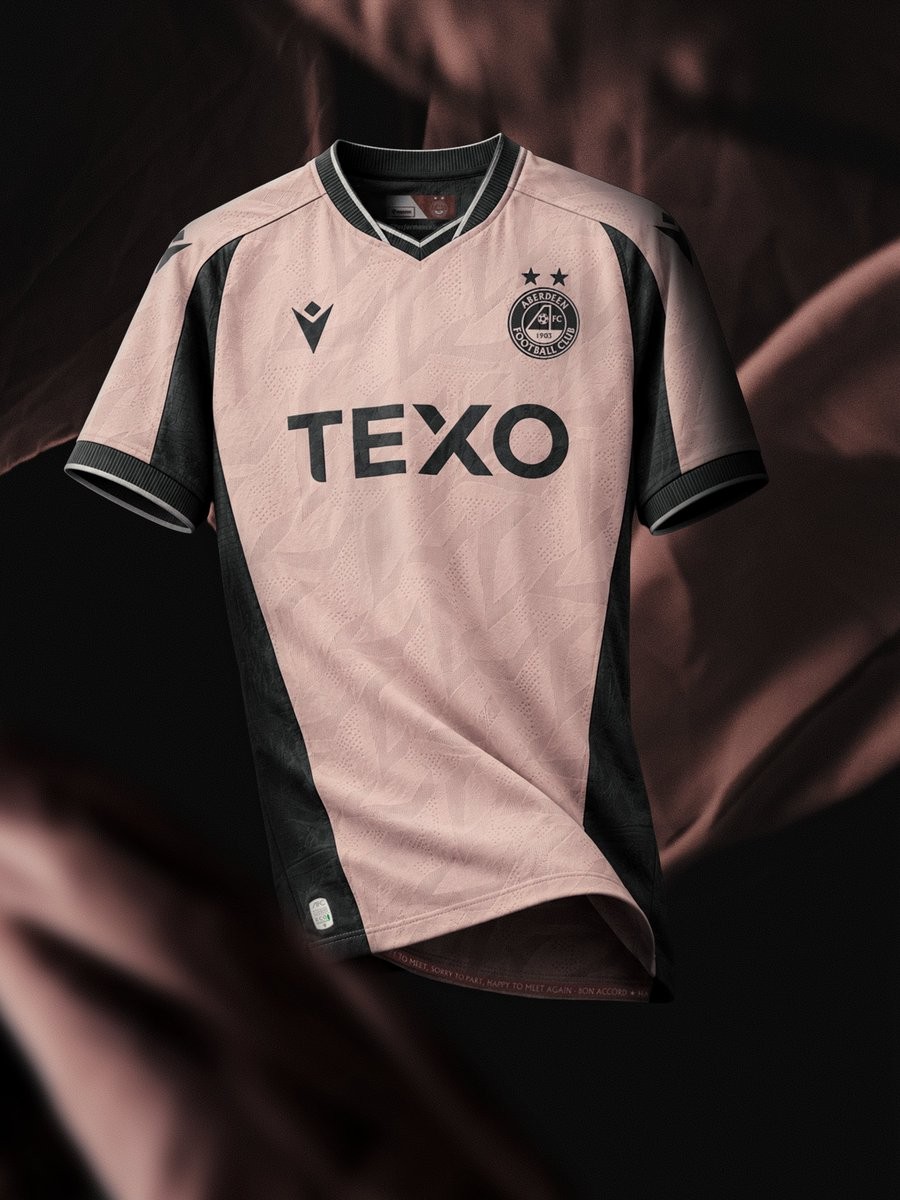
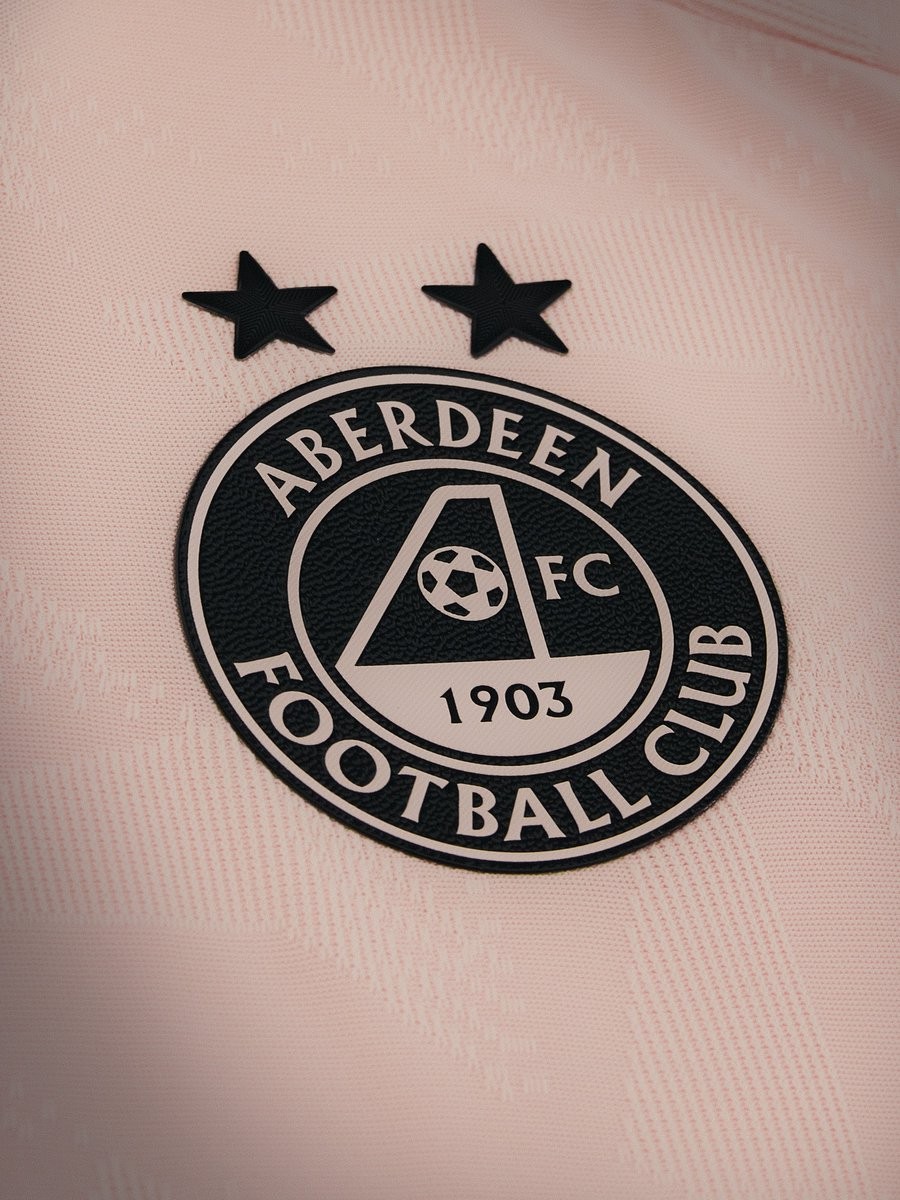
Aberdeen FC and Macron have officially unveiled the club's new third kit for the 2026-27 season. Completing the Dons' wardrobe for the campaign alongside the red home and white away strips, the design takes direct inspiration from Aberdeenshire's iconic Craigievar Castle as the world-famous pink fortress marks its 400th anniversary.
The Aberdeen 26-27 third jersey features a light pink base that recalls the castle's distinctive pink-harled walls. It is enriched by an all-over geometric pattern woven directly into the fabric using Macron's Eco 3D Knit jacquard structure. Anthracite grey covers the raglan sleeves, side panels, cuffs, and ribbed V-neck collar, highlighted with refined silver piping, while the club crest and Macron Hero are both presented in monochrome anthracite on the chest.
Bespoke details include a stylized graphic of Craigievar Castle printed inside the back of the neck, as well as the city's historic "Bon Accord" motto running along the inner silicone hem tape. Pink shorts with anthracite inserts and pink socks finish off the full uniform, which is manufactured entirely from 100% recycled polyester.

All-New Inter Milan 26-27 Champions League Kit Font Released
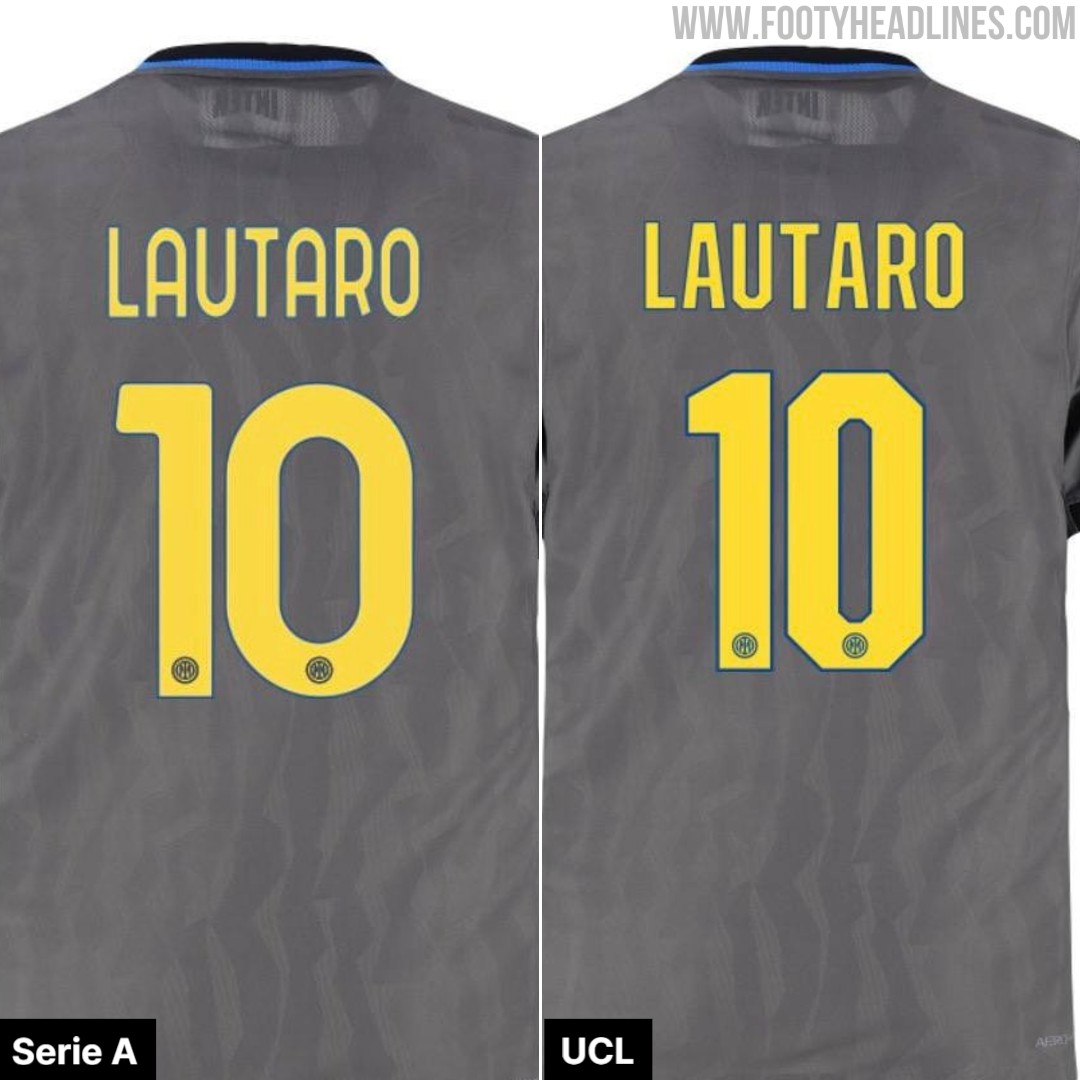
Inter Milan will have a dedicated name and number font for their new 2026-27 third kit in the UEFA Champions League, something rarely seen from the Nerazzurri in recent years as they have typically used the standard Serie A typography in Europe.
For Serie A, Inter use the standard league typography in Speed Yellow. In the Champions League, however, the Nerazzurri switch to a bespoke 1990s-inspired font with taller, sharper-edged lettering and numbers featuring a thin blue outline, matching the kit's grey.
Interestingly, Inter's 2026-27 home shirt uses the standard Serie A font and was worn in their first Champions League match against Real Madrid. The third kit, meanwhile, features a dedicated Champions League typeface.
Fans can choose between the Serie A and Champions League fonts when customizing the Inter Milan 2026-27 third kit on the club's official web store. This dual-font approach gives the European version a distinct retro feel.
Big thanks to What The Kit for the mockup!

Retro 1980s Aesthetic: Newcastle United 26-27 Originals Retro Collection Released
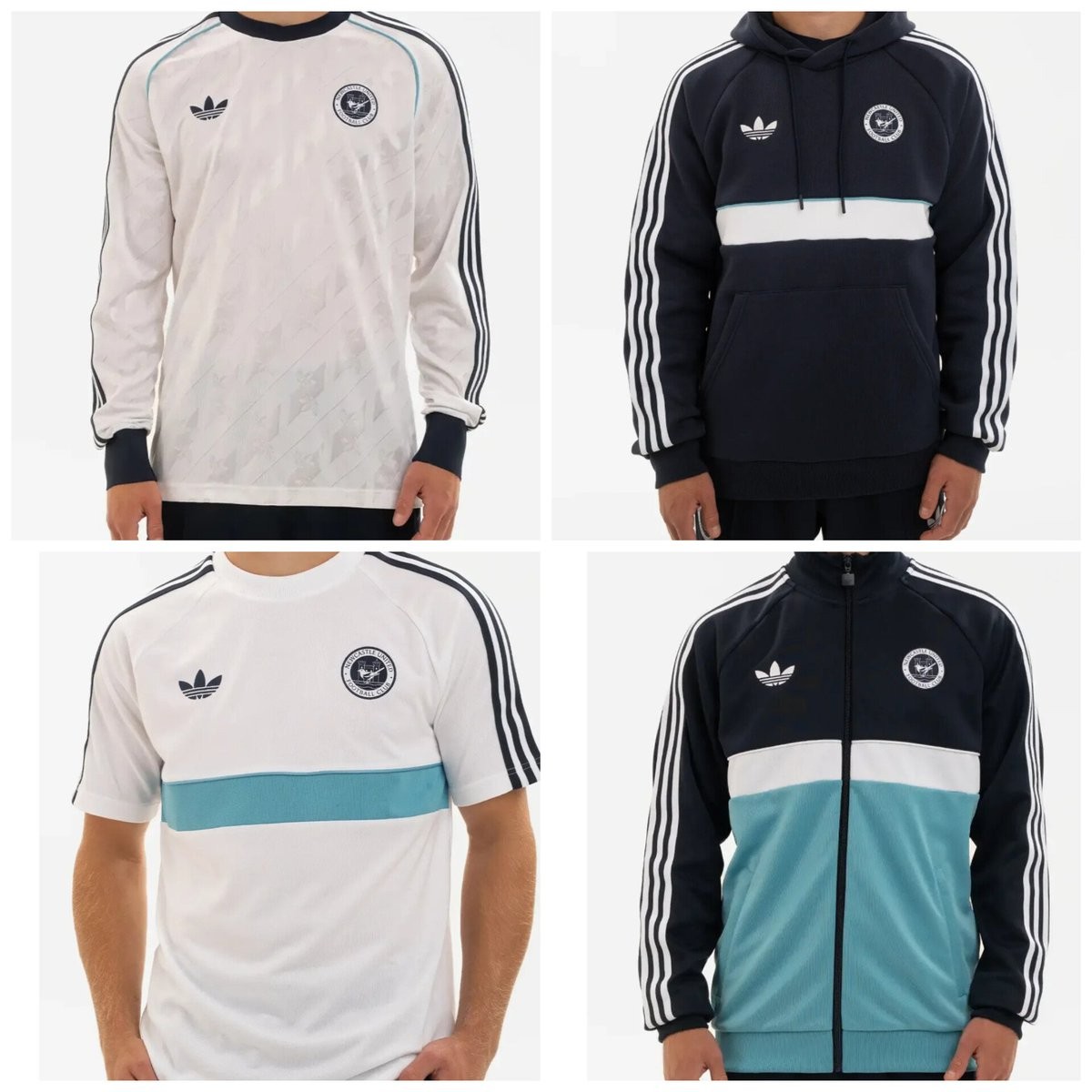
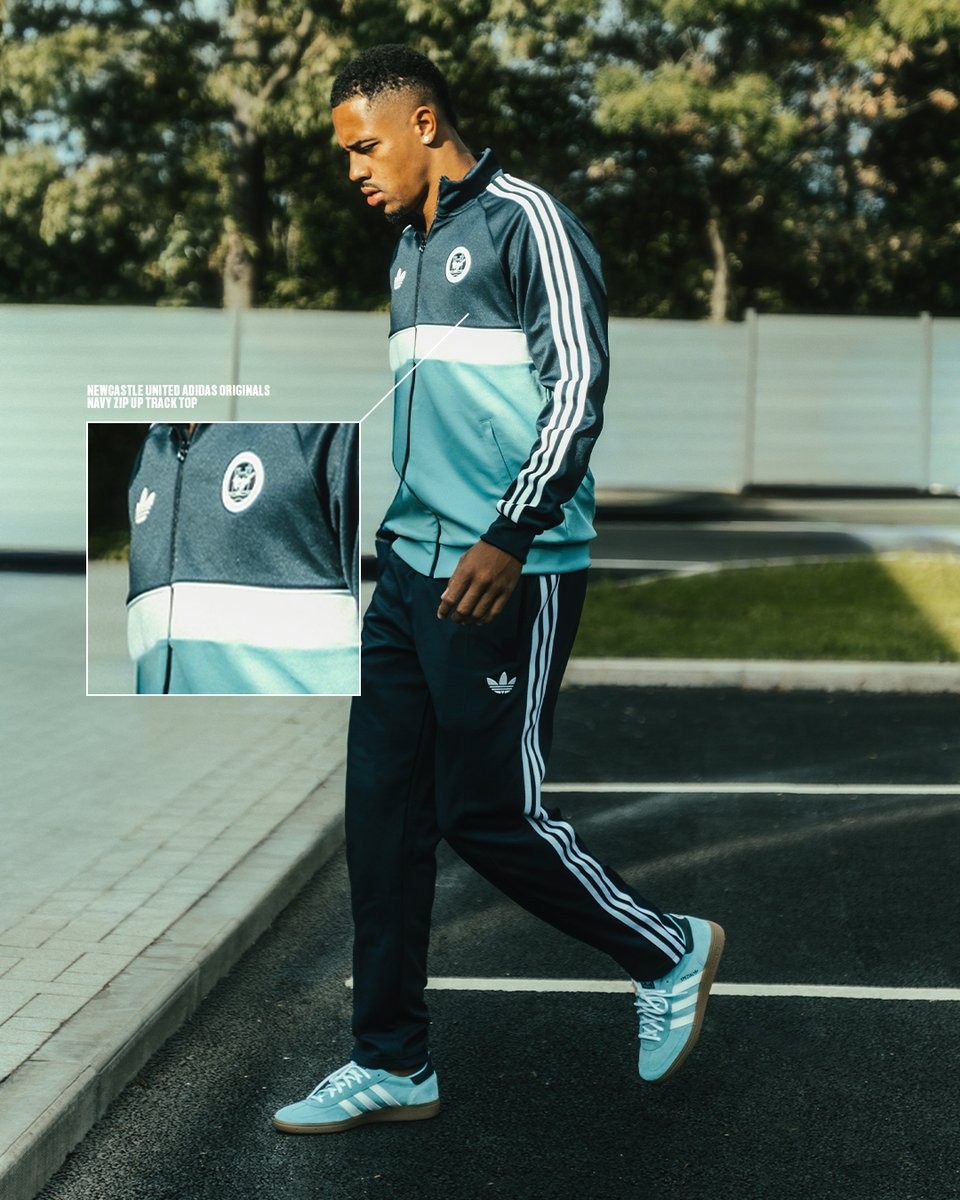
Adidas and Newcastle United have officially released their latest retro lifestyle capsule, dubbed the adidas Originals Culturewear collection. Taking heavy inspiration from the club's classic 1980s training wear, the collection was first showcased on first-team players arriving ahead of Premier League action before rolling out for Mags+ members and hitting general sale.
The range adopts a clean color palette of dark navy, white, and subtle light blue accents. A defining highlight across every piece is the use of Newcastle United's iconic circular 1980s crest—originally seen between 1983 and 1988—paired alongside the classic embroidered adidas Trefoil emblem. The capsule features a standout long-sleeve white jersey boasting a tonal jacquard pattern, a color-blocked zip-up track top, a matching navy hoodie, a chest-band graphic t-shirt, and straight-leg track pants. The lineup is completed by a matching pair of adidas Handball Spezial sneakers crafted in light blue suede with a gum sole.

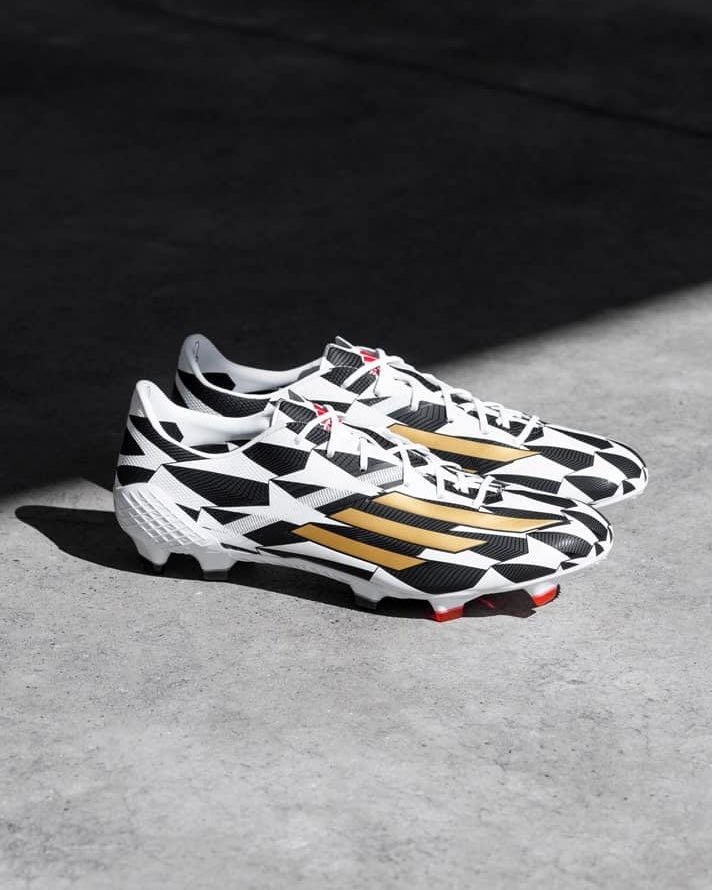
Arnaut Danjuma Still Wearing Adidas F50 Adizero IV 'Battle' Remake Boots
Dutch attacker Arnaut Danjuma is proving that great boots never go out of style, as he continues to lace up in the reissued Adidas F50 Adizero IV from the 2014 World Cup Battle Pack. While most professional players frequently rotate into the newest generation speed models, Danjuma has maintained an impressive loyalty to the limited-edition retro release years after its drop.
The boot in question is the 2022 Speed Legacy Pack remake of the legendary F50 Adizero IV, which originally dominated the 2014 FIFA World Cup in Brazil on the feet of top scorers like James Rodríguez, Robin van Persie, and Thomas Müller. The reissue faithfully revived the distinctive black-and-white geometric upper pattern with metallic gold three stripes, while modernizing the underfoot tech with the lightweight Carbitex Speedframe tooling borrowed from the X Speedflow.