Nike's Problem With The Dynamic Fit Collar
 Aug 30, 2015, by Chris
Various of Nike's high-profile players are wearing customized Nike Football Boots with a lower Dynamic Fit collar, low-cut versions of the Nike Magista, Nike Hypervenom and Nike Nike Mercurial or even cut off the sock of their boots. We take a detailed look at Nike's problem with the revolutionary Dynamic Fit collar.

In May 2014, Nike introduced the totally new Dynamic Fit collar with the cutting-edge Nike Magista Obra and Nike Mercurial Superfly Boots to make a bold statement in the 2014 World Cup, and to showcase that the US-giant is the most revolutionary sportswear brand.
Players with a lower Dynamic Fit collar
Close-up picture of Cristiano Ronaldo's custom Nike Mercurial Superfly Lightning Storm Pack Boots.


There are only few players on the planet who receive modified Nike Soccer Cleats, exclusively handcrafted in Nike's famous boot factory in Montebelluna, Italy. So it's only logical that Cristiano Ronaldo, who had major problems with the Dynamic Fit collar ahead of the 2014 World Cup, directly received a heavily modified version of the Nike Mercurial Superfly Football Shoes after he cut off the collar of his boots.

Neymar is another player who laced up in modified Nike Boots with a lower Dynamic Fit collar, even though the Brazilian superstar frequently changes his boots and recently even received a completely modified Nike Soccer Cleat featuring a never-seen-before hybrid design fusing the Nike Hypervenom Phantom I (upper), Nike Hypervenom Phantom II (Dynamic Fit collar, design) and the Nike Tiempo Legend sole plate.
However, it's a rather the exception than the norm that players receive such heavily modified cleats, and it's much more likely that players opt for the low-cut versions of the boots.
Players Who Wear Low-Cut Nike Boots
Rooney x Nike Hypervenom Phinish.

It's logical that Nike's aim is that every player wears the revolutionary version of Nike's Boots featuring the trademark Dynamic Fit collar. However, nearly the half of Nike's top players are wearing the traditional versions of the Nike Soccer Boots.
For example, Andres Iniesta introduced the revolutionary Nike Magista Obra Boots ahead of the 2014 World Cup, but switched to the low-cut Nike Magista Opus Shoes in March 2015. (We even think that it is almost certain that Iniesta's performances wearing the Nike Magista Opus Cleats are far better than with the Nike Magista Obra.)

After the cover athlete switched to "second-best" version of the Nike Magista Cleats, Mario Götze became the global face of the Nike Magista Obra. And even though Götze scored the winning goal in the 2014 World Cup Final against Argentina, the German youngster is often not even in Bayer Munich's starting line-up.
So let's see which of Nike's best players are wearing the low-cut versions of the boots (via www.footballbootsdb.com)
Nike Hypervenom: Wayne Rooney, Pedro, Isco, Harry Kane, Kurt Zouma, Mario Mandžukić, Gonzalo Higuaín, Ross Barkley, Gerard Deulofeu
Nike Magista: Andrés Iniesta, Thibaut Courtois, Michael Carrick, Raphaël Varane, Arda Turan, John Terry, Sergio Busquets, Javier Mascherano, Medhi Benatia, James Milner, Sami Khedira
Nike Mercurial: Eden Hazard, Zlatan Ibrahimović, Douglas Costa, Philippe Coutinho, Luka Modrić, Mateo Kovačić, Daniel Alves, Raheem Sterling, Franck Ribéry, Martin Ødegaard, Willian, Carlos Bacca
It's quite obvious to see that various star players prefer the traditional boot design over Nike's Dynamic Fit collar. Therefore, the US-giant started to push the low-cut versions of their boots after they virtually concealed that they even exist in the first months. For example, Nike released a unique Eden Hazard Nike Mercurial Vapor 10 to celebrate his PFA Player of the Year award.
But there are even players who manually cut off the collar of their boots, which is something Nike do not want at all.
Players who cut off the Dynamic Fit collar
Arturo Vidal cut off the collar of his right shoe.

Nike's biggest problem is an actual phenomenon. Recently, various players have been spotted with a cut-off Dynamic Fit collar after Nike introduced the collar to the Nike Hypervenom Phantom Boots.

Nike athletes such as Isco, Thiago Alcantara, Arturo Vidal and Kovacic cut off the collar of their boots. However, as there is nothing worse than players who manually change the fundamental parts of their 275 USD boots, they switch to the standard low-cut versions of each silo very quickly.
Revolution or just marketing? Let us know what you think of Nike's Dynamic Fit collar in the comments section below.
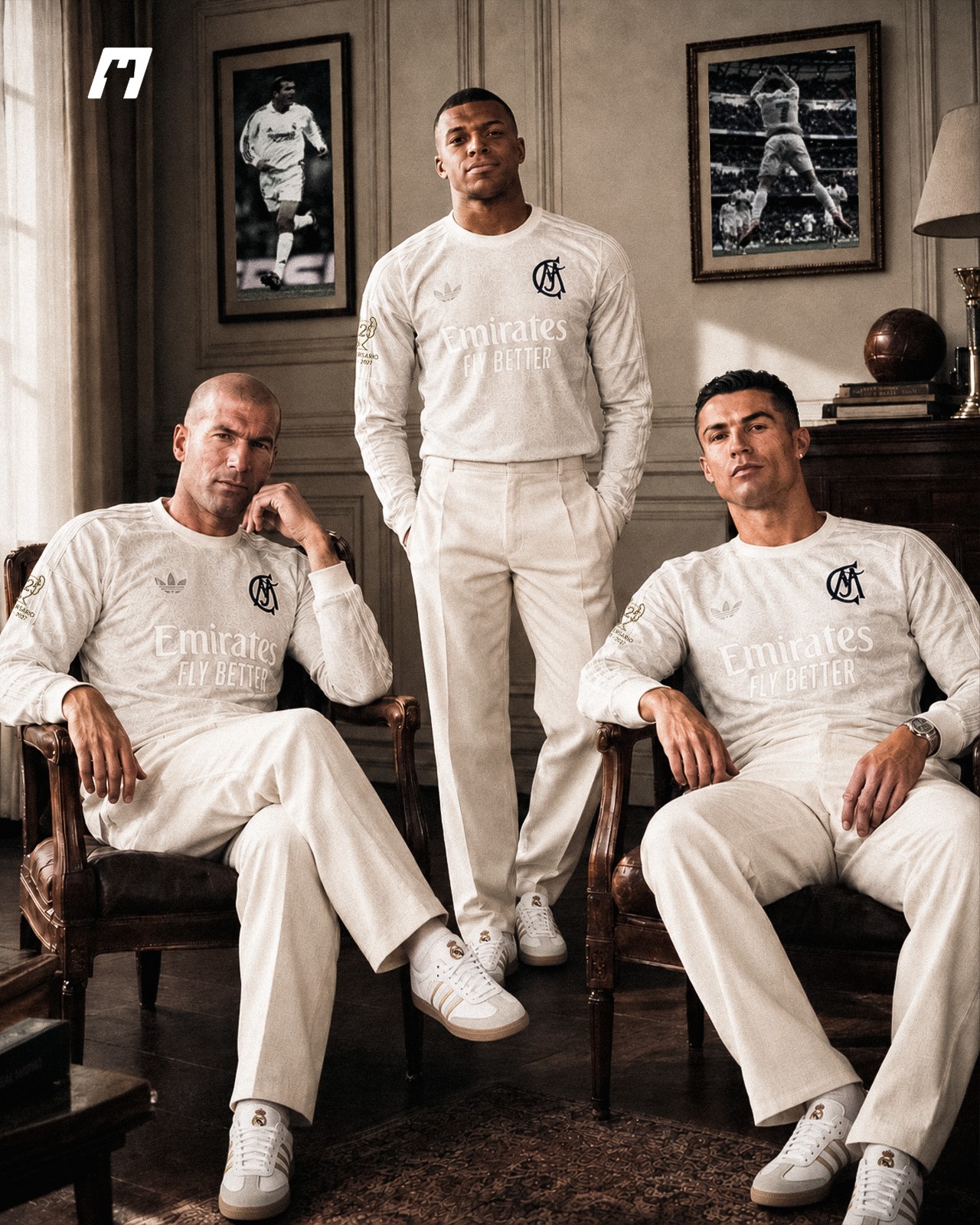
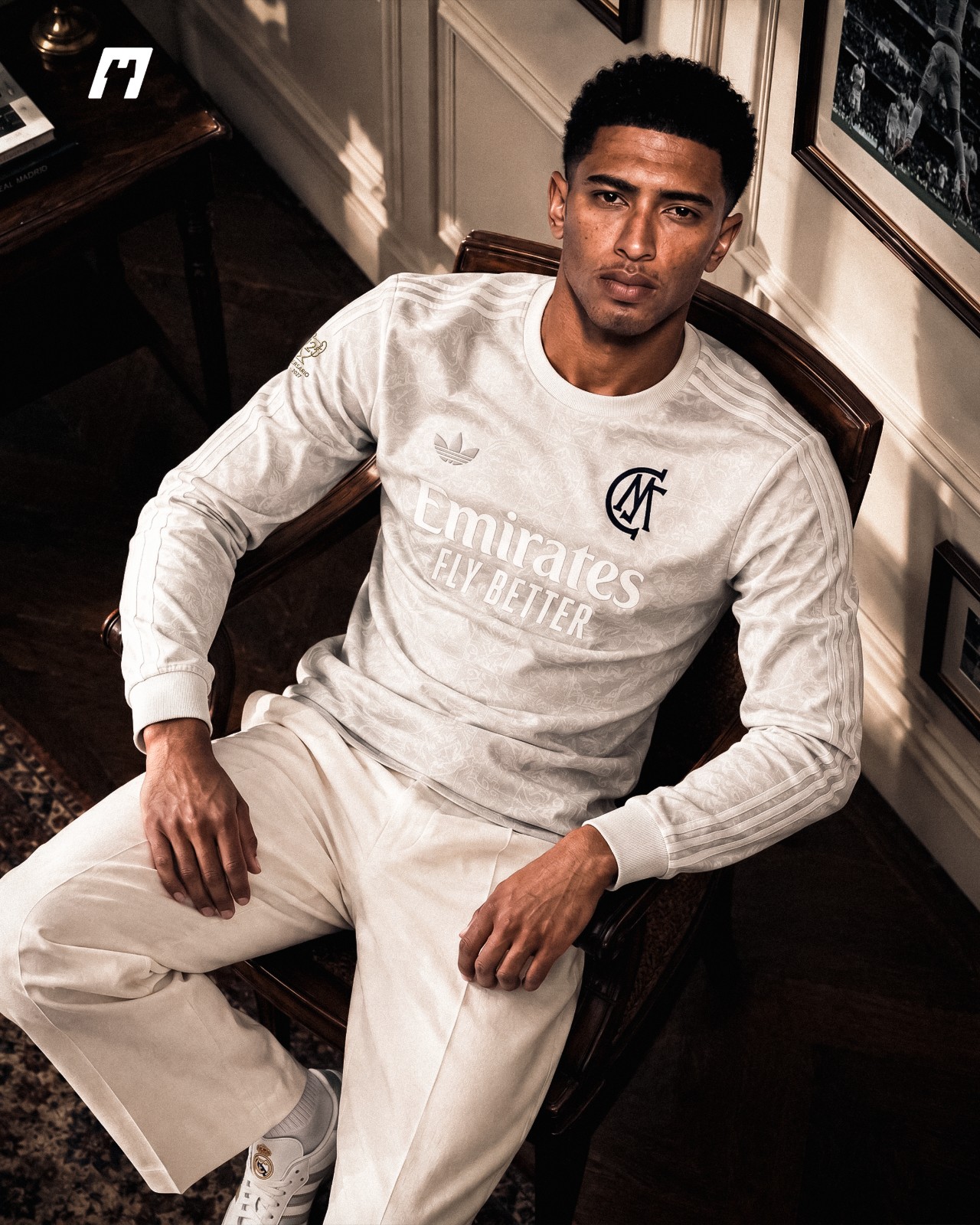
Real Madrid 26-27 125th Anniversary Kit Concept
Based on the previous leaked pictures, our partner @whatthekit_x have provided a concept of how the Real Madrid 2026-27 125th anniversary kit could look on the club's stars. Made by adidas, the special shirt features a clean white design with a subtle heritage-inspired pattern.
The standout detail is the 1902 original Real Madrid crest, which replaces the current badge in navy blue. A special sleeve emblem featuring a European Cup, '125' and 'Aniversario 1902-2027' completes the anniversary theme, while the adidas, Emirates and HP logos are kept tonal.
What do you think of the Real Madrid 2026-27 125th anniversary kit? Let us know your thoughts in the comments below.
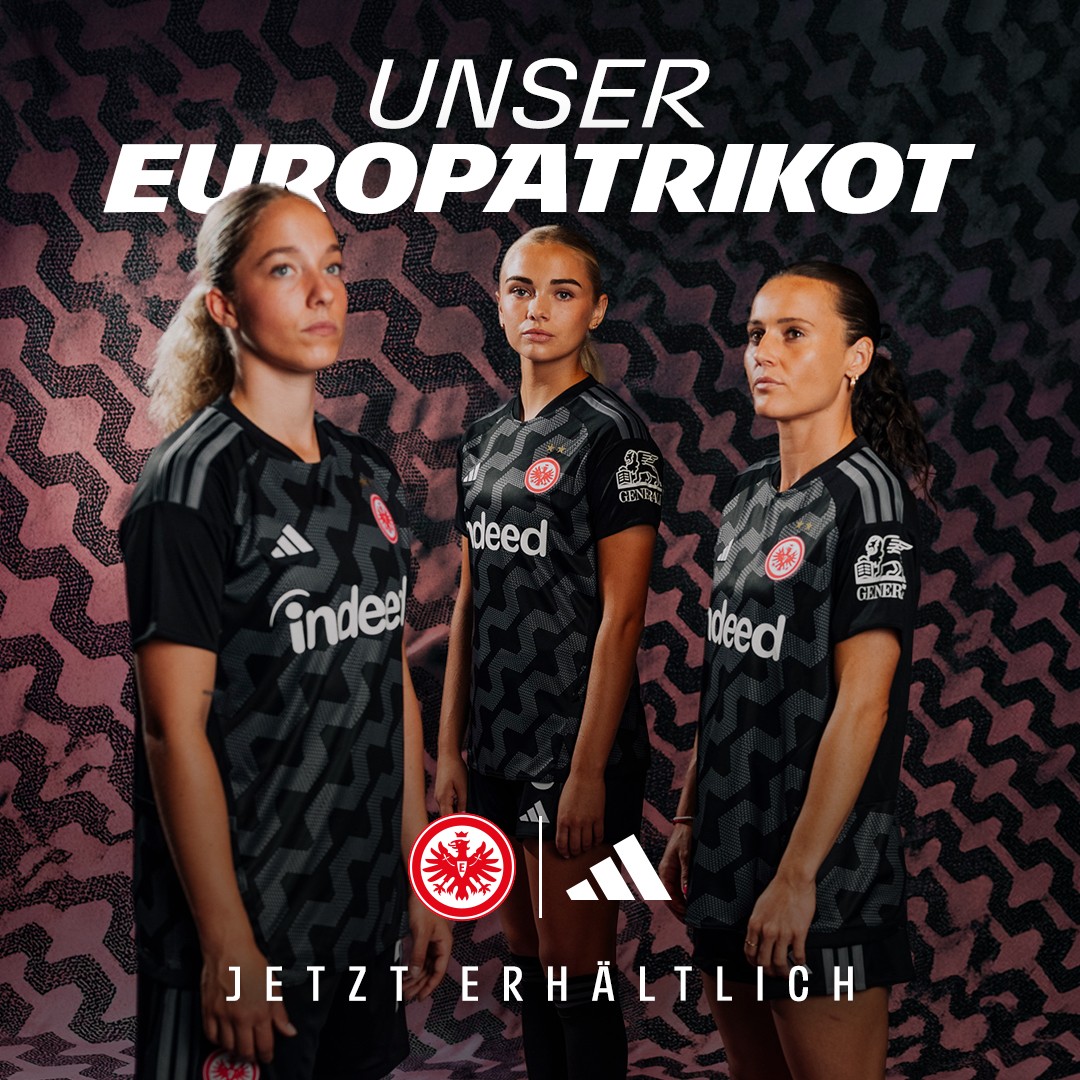
Eintracht Frankfurt Frauen 26-27 European Kit Released
Eintracht Frankfurt Frauen and Adidas have officially unveiled an exclusive new "Europatrikot" for the 26-27 season. Designed specifically for the team's campaign in the UEFA Women’s Europa Cup, the kit symbolizes the international journeys and unity of the Adlerträgerinnen.
The Adidas Eintracht Frankfurt Frauen 26-27 European jersey is based on a black canvas covered with an intricate, dynamic gray path pattern running across the torso and lower back. A clean white Adidas logo and the Indeed sponsor contrast against the dark background, while subtle gray three stripes run along the shoulders. Above the club crest sit two golden stars celebrating their league championship history, joined by Generali on the sleeve and LOTTO Hessen on the back.
Matching black shorts and socks complete the uniform. The Eintracht Frankfurt Frauen 26-27 European kit is available now through the club's official webshop and selected retail outlets for €100.
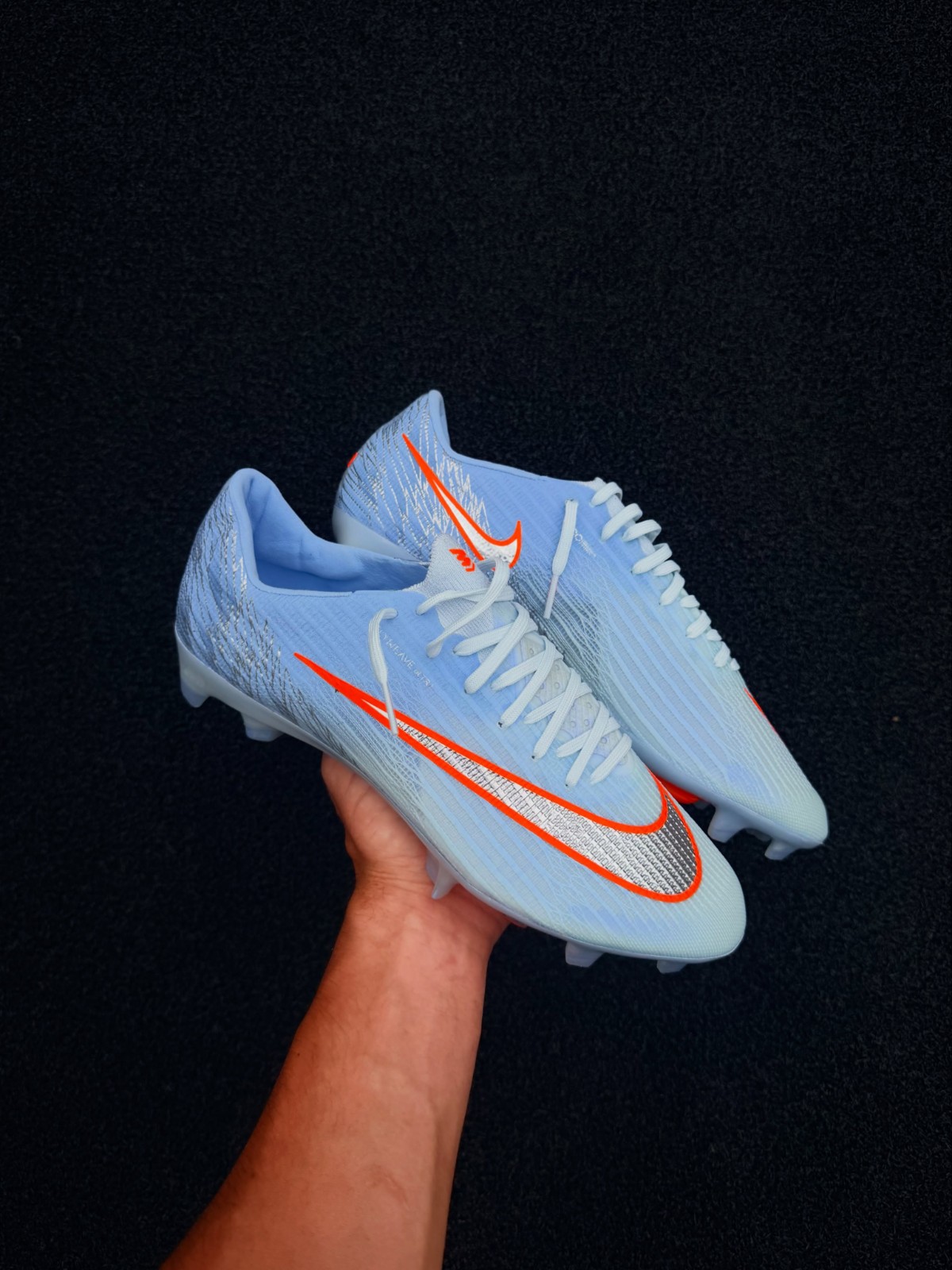
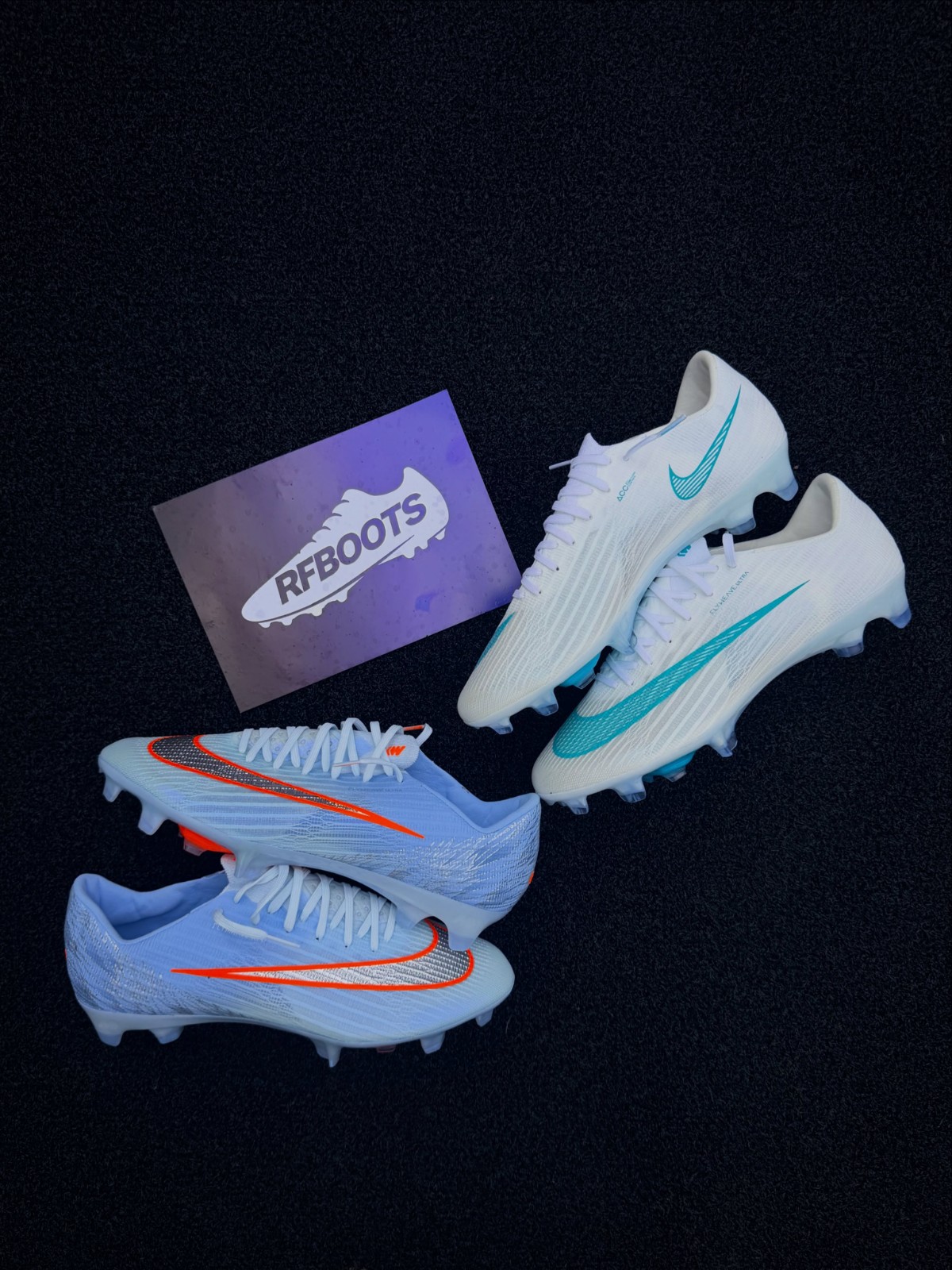
Nike Mercurial 26-27 'United' Pack 4 Boots Leaked - 3 New Pictures
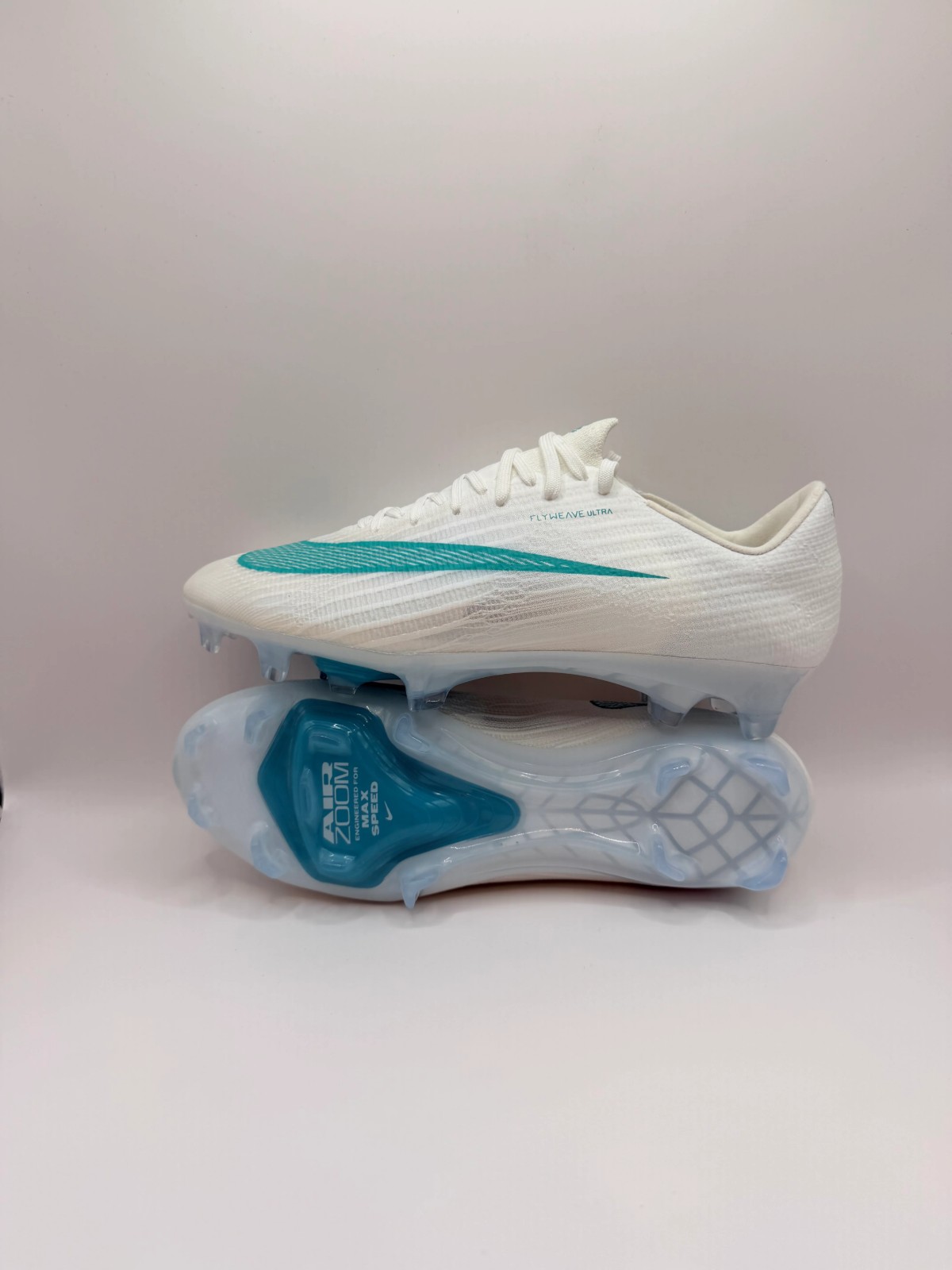
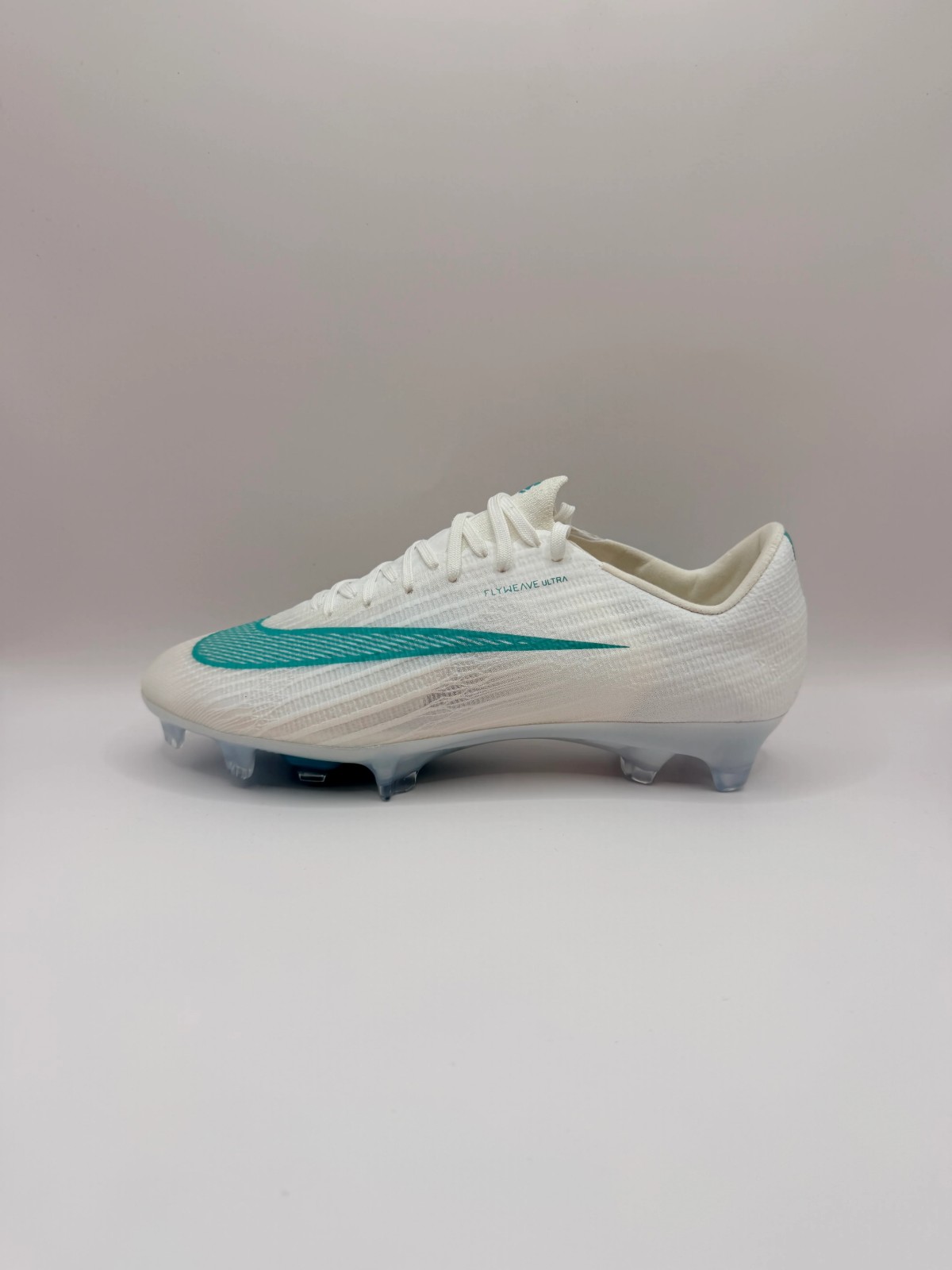
rfboots has leaked new images of the new Nike Mercurial Superfly 11 boots, part of the United 004 collection, which will be released soon.
The boots feature a fresh light blue primary color with vibrant orange details, including a silver Swoosh with orange outlining and an orange Nike United logo on the heel.


Bristol Rovers 26-27 Third Kit Released
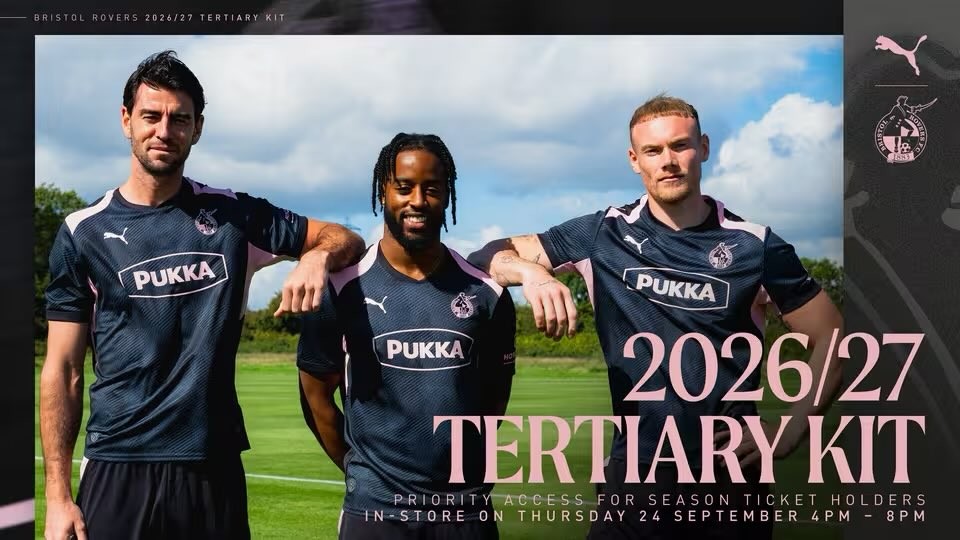
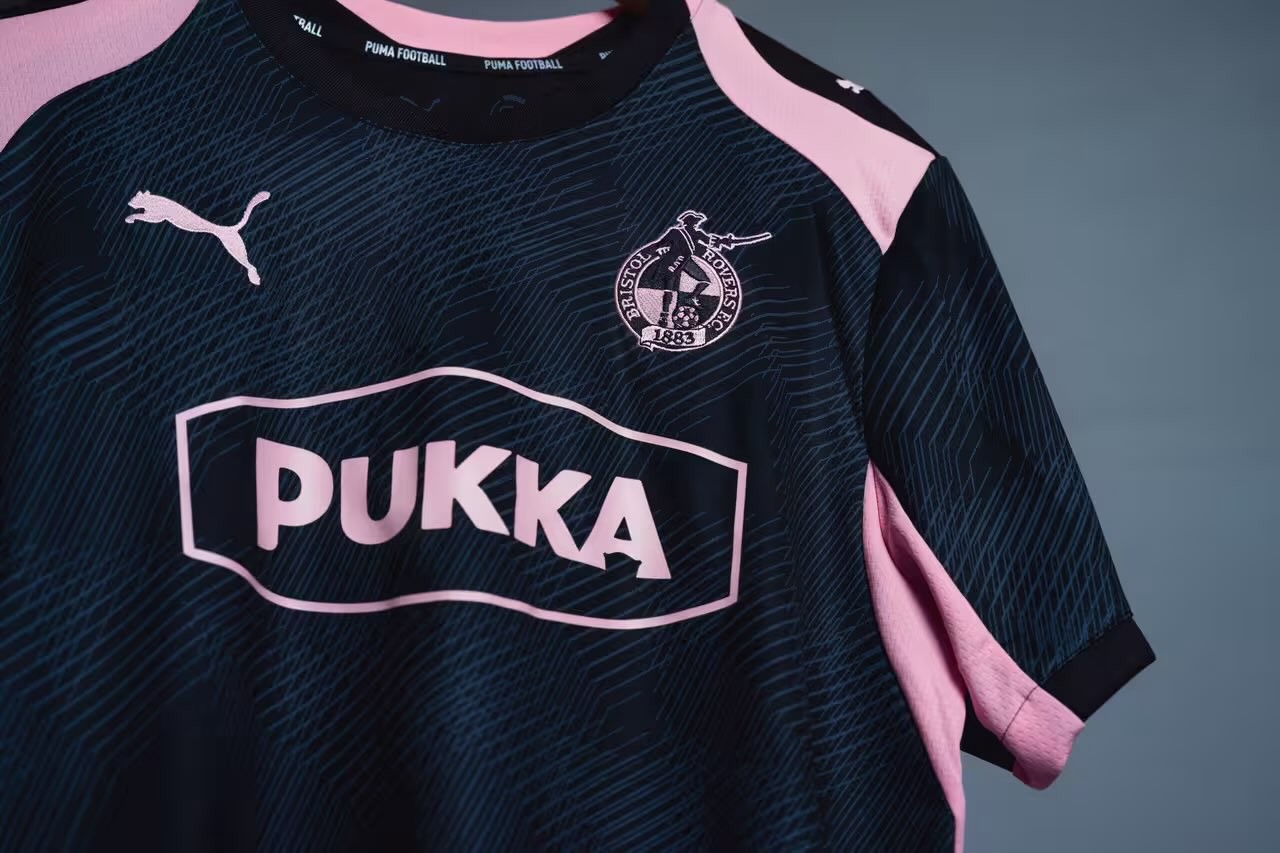
Bristol Rovers have officially unveiled their new 26-27 third kit, produced by Puma. The tertiary strip was already given an on-pitch debut by the squad during their recent League Two away match against Gillingham.
The Puma Bristol Rovers 26-27 third shirt introduces a stylish look with a black base and soft pink accents. A subtle tonal line pattern covers the front and back of the torso, complemented by contrasting pink inserts along the shoulders, side panels, and collar. The monochrome club crest, Puma cat branding, and front-of-shirt sponsor Pukka are all finished in the same matching pink shade.
Black shorts and black socks with pink detailing complete the new Puma Bristol Rovers 26-27 third uniform. Season ticket holders will have early access to purchase the strip at an exclusive club shop event on September 24, followed by a general in-store release on September 25 and online sales starting September 28.
Colombia's DIMAYOR Mandates Standard Helvetica Font for All Teams From 2027
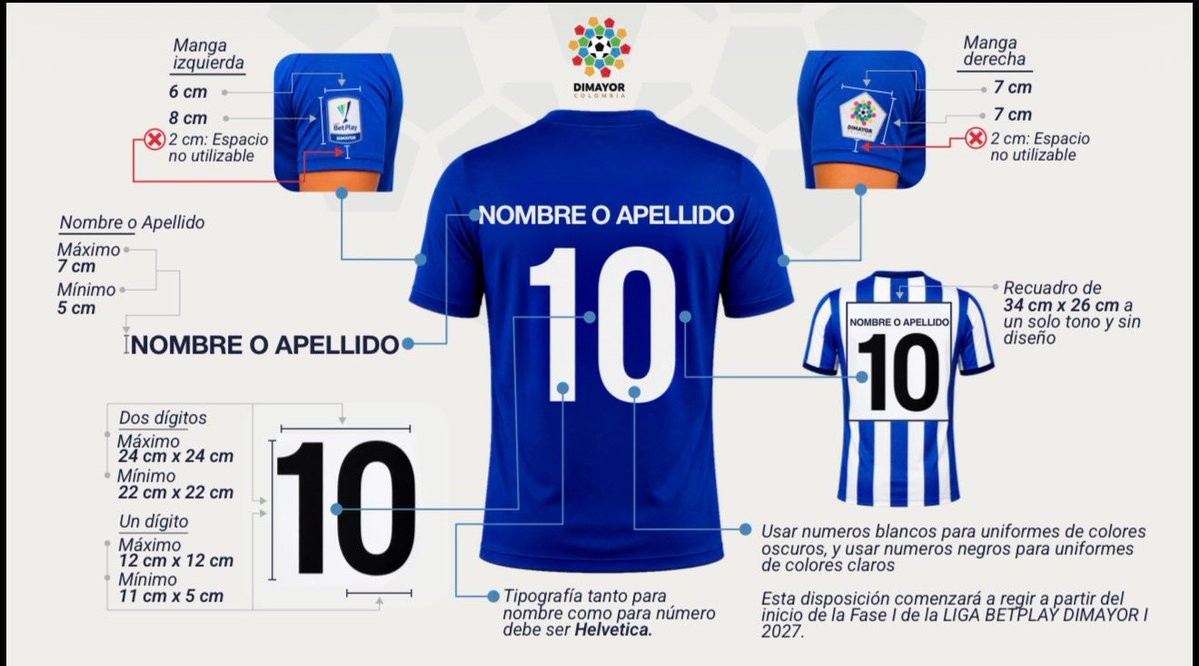
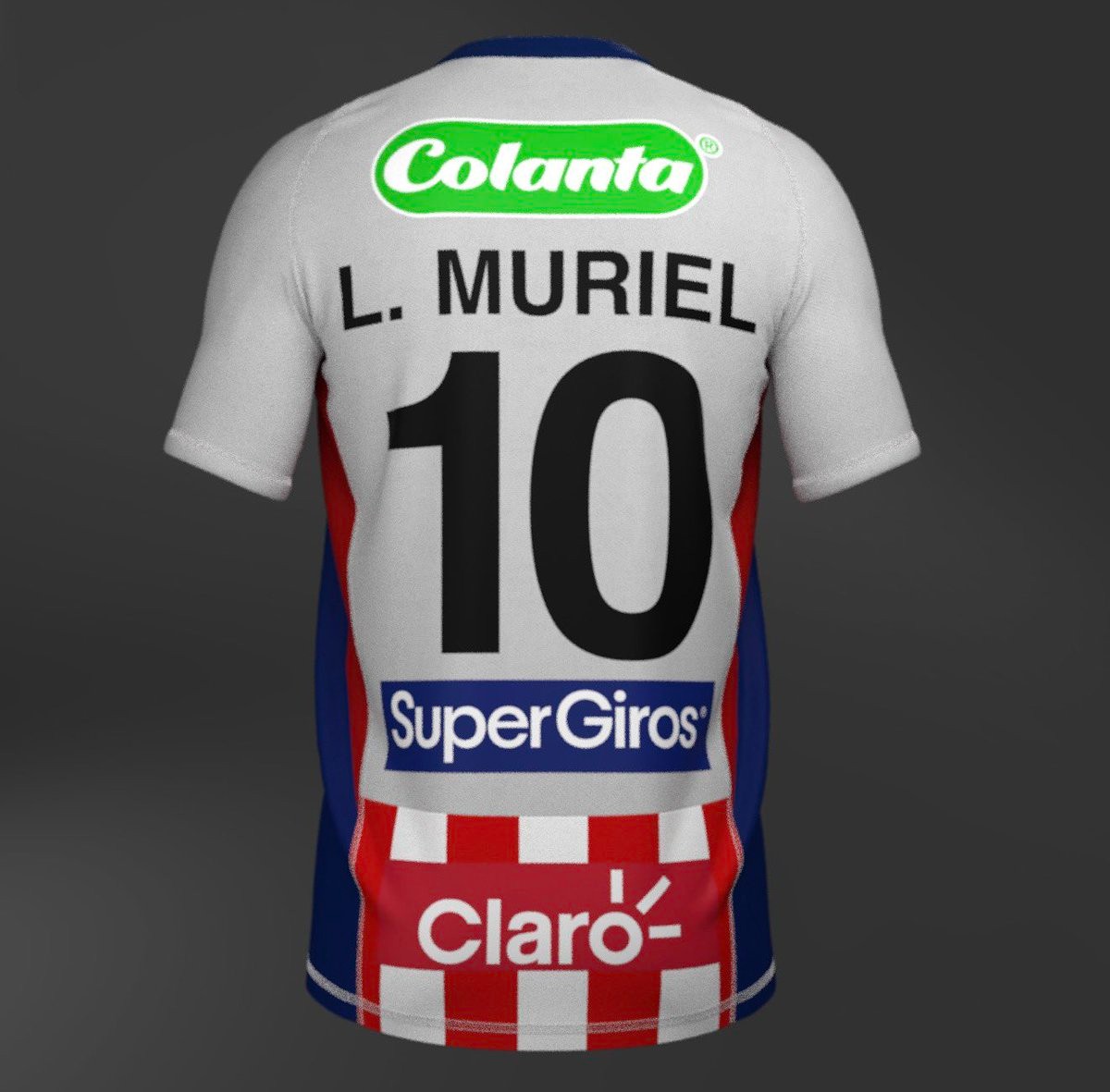
Colombian football governing body DIMAYOR is set to introduce sweeping kit branding regulations starting with the 2027 Liga BetPlay season. An official circular distributed to professional clubs outlines strict new rules for shirt names, numbering, and sleeve badges. Most notably, the league will mandate Helvetica as the sole official typeface for player names and squad numbers across all participating teams, stripping clubs and kit manufacturers of the ability to use custom fonts. Big thanks to @cdfactoryco.
Beyond standardizing the typography, the regulations strictly govern visibility and colors. All names and numbers must appear either in solid black on light-colored kits or solid white on dark-colored kits, with no additional accent colors or outlines permitted. For shirts featuring stripes or graphic patterns, clubs must integrate a blank, single-tone rectangle measuring exactly 34 cm by 26 cm on the back to host the number. Player names must be positioned directly above the number with a font height between 5 cm and 7 cm, while DIMAYOR and competition sleeve badges will have designated dimensions and mandatory placement below club sponsor patches.
DIMAYOR is also putting an end to unconventional squad numbers. Players will only be allowed to wear consecutive integers from 1 up to the total number of registered squad members, outlawing high numbers such as 77, 88, or 99. The drastic move has sparked backlash among Colombian football fans and kit designers, who have criticized the choice of a standard office typeface and the loss of distinctive club identity on the pitch.