
Should UEFA Loosen Its Strict Plain Kit Back Rules?
 Aug 3, 2026, by Chris
- UEFA's Strict Kit Regulations: UEFA mandates plain back panels on patterned jerseys in European competitions, citing referee visibility and broadcast clarity as reasons, which affects teams with striped or hooped kits.
- Alternative Approaches to Kit Clarity: Competitions like Brazil's Brasileirão do not enforce plain back requirements, successfully maintaining number and name legibility on continuously patterned kits through the use of thick borders and contrasting outline fonts.
- The Delta L Rule and Pinstripe Classification: UEFA utilizes a Delta L color contrast metric (greater than 25) to determine if a patterned kit requires a solid back, and considers pinstripes wider than 2mm as 'striped shirts,' making them subject to these contrast restrictions, as exemplified by the Rangers kit.
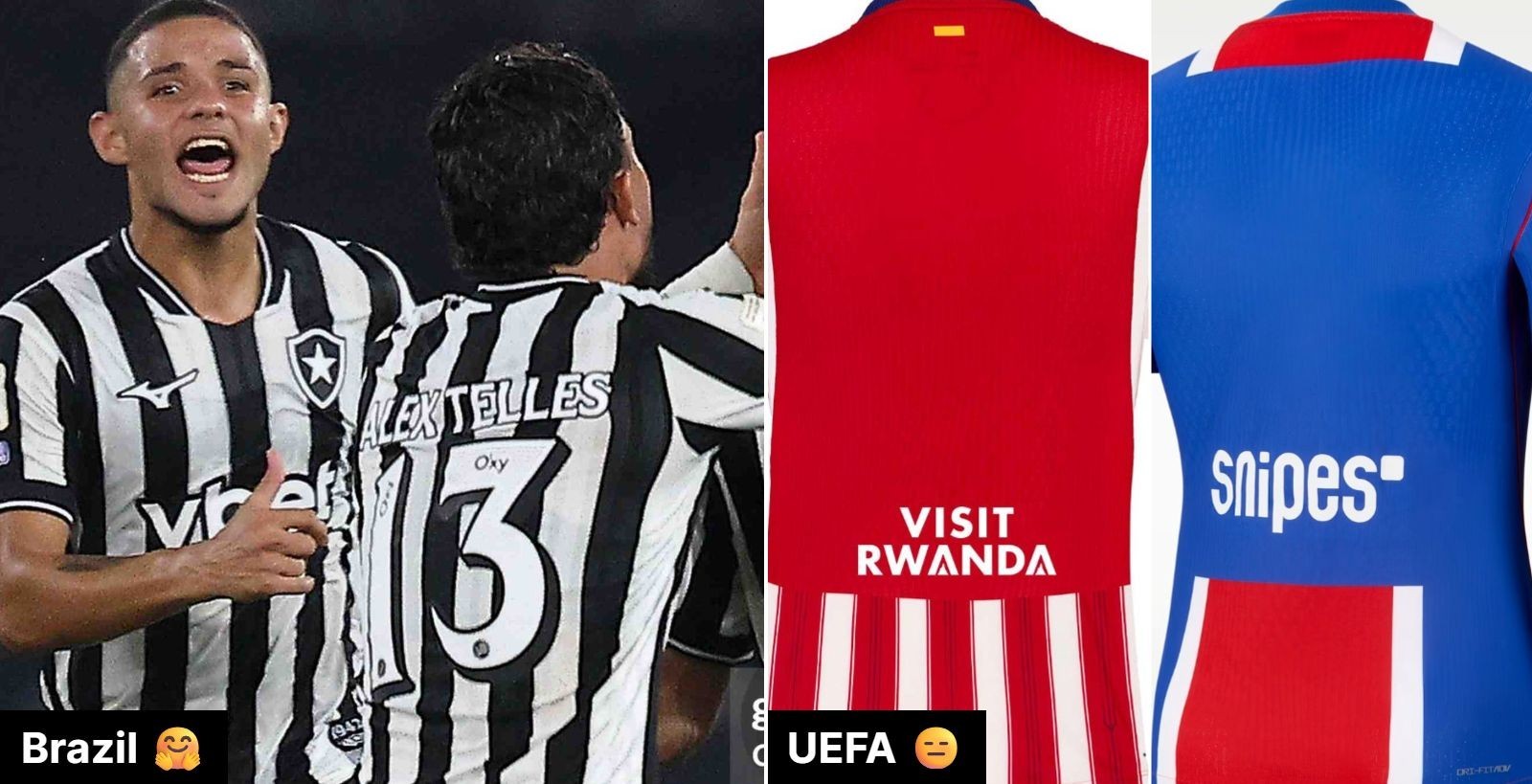
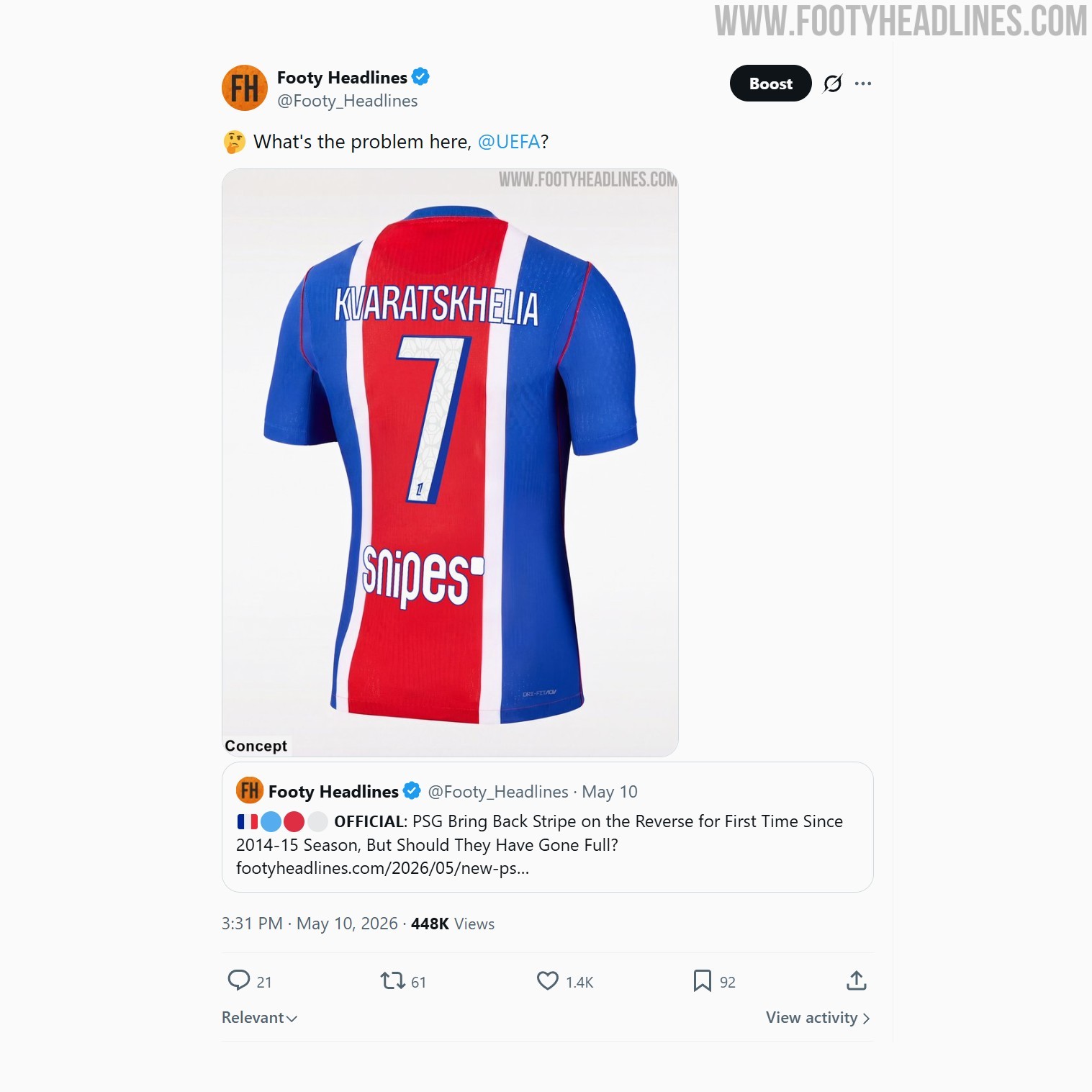
UEFA's strict equipment regulations have long been a source of debate among football shirt enthusiasts. Under UEFA rules, jerseys worn in European competitions must feature a designated, high-contrast "number zone," which forces teams with striped, hooped, or patterned kits - such as Atlético, PSG. Juventus, and Newcastle United - to have plain back panels. UEFA maintains that these solid blocks are essential for referee visibility and broadcast clarity, but this can be put in question.
Are Plain Kit Backs Really Needed?
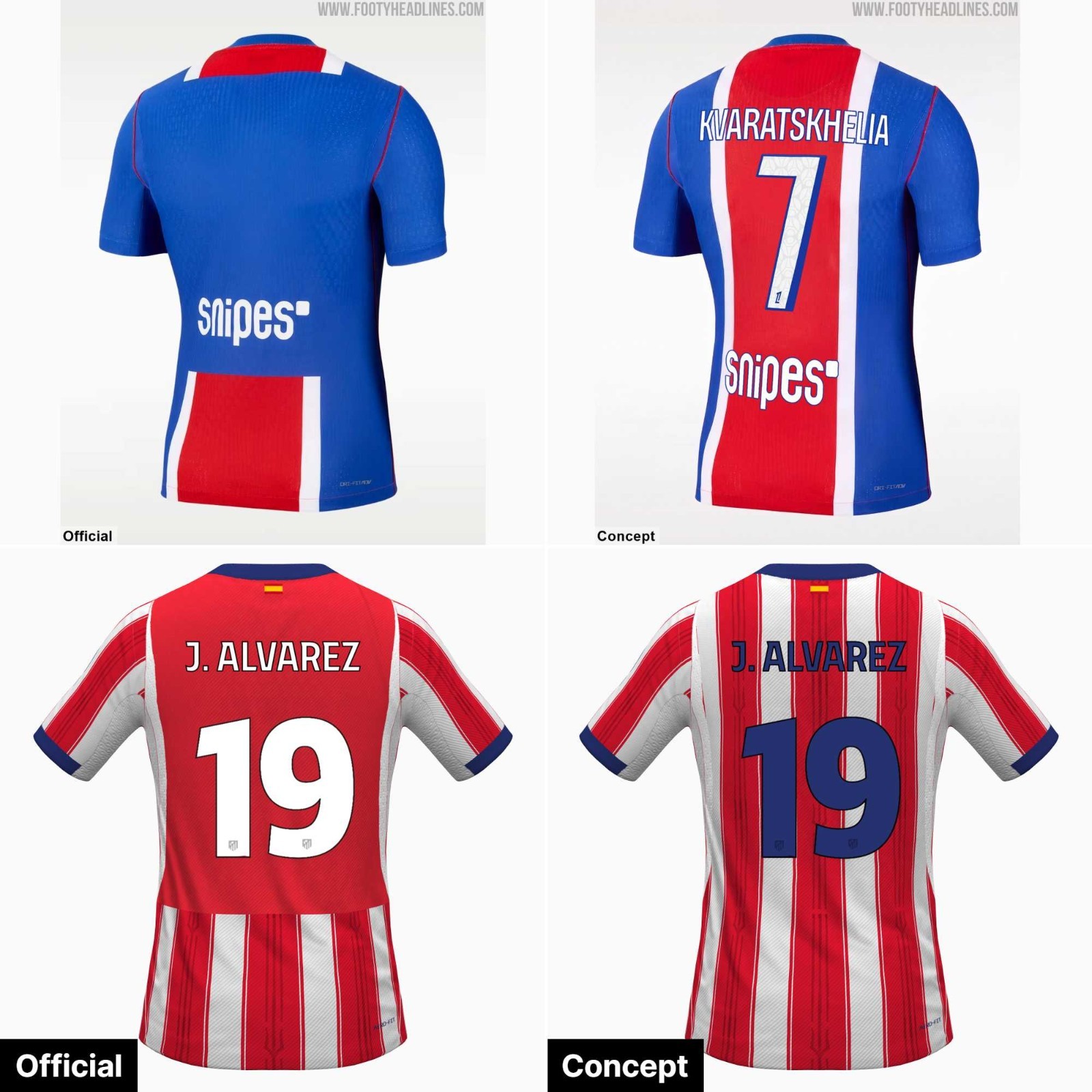
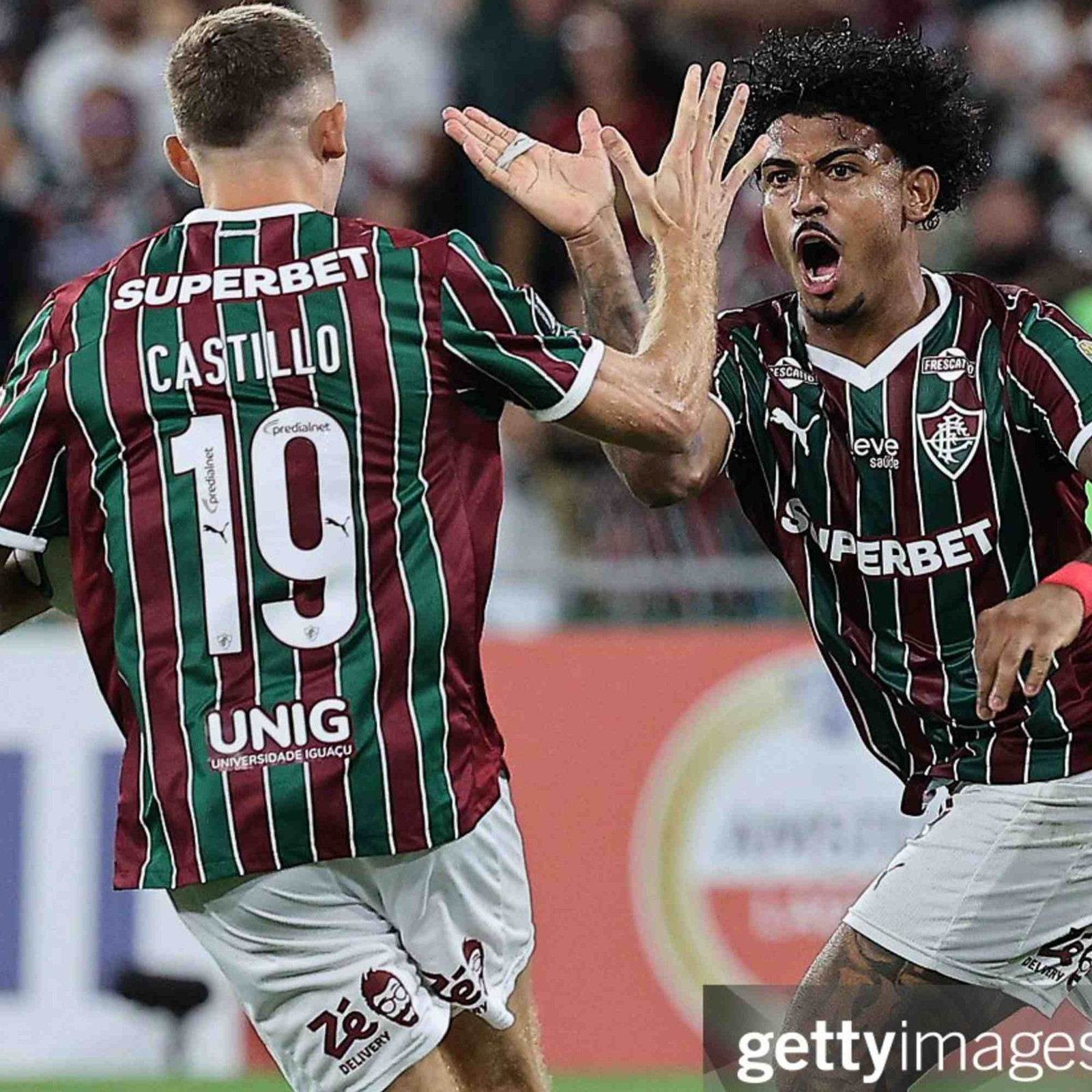
In contrast, competitions such as Brazil's Brasileirão do not enforce a plain back requirement, letting teams have striped designs that continue seamlessly across the back. By using thick borders and contrasting outline fonts, player names and numbers remain legible over complex stripes, demonstrating that a giant blank box is not strictly necessary for clarity.
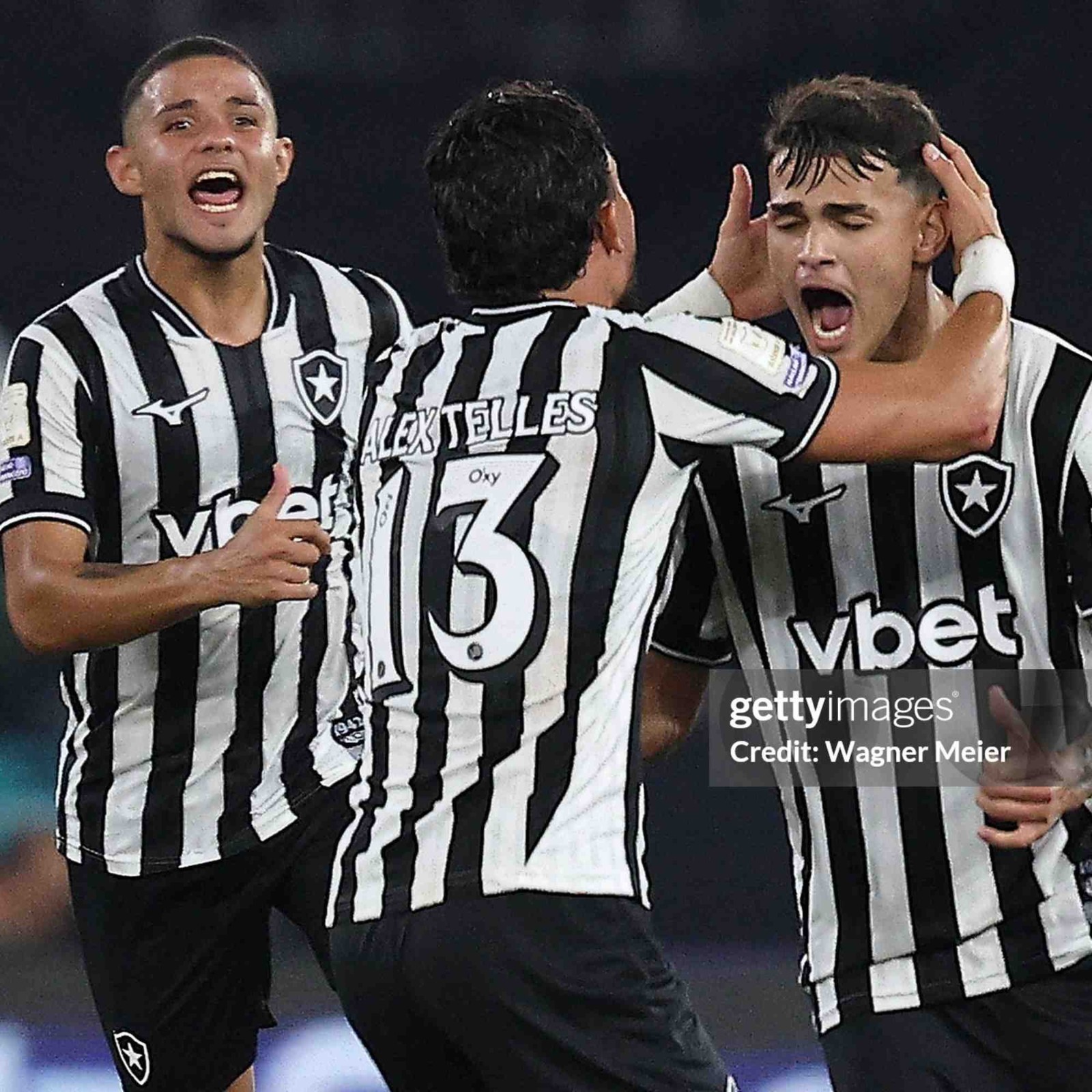
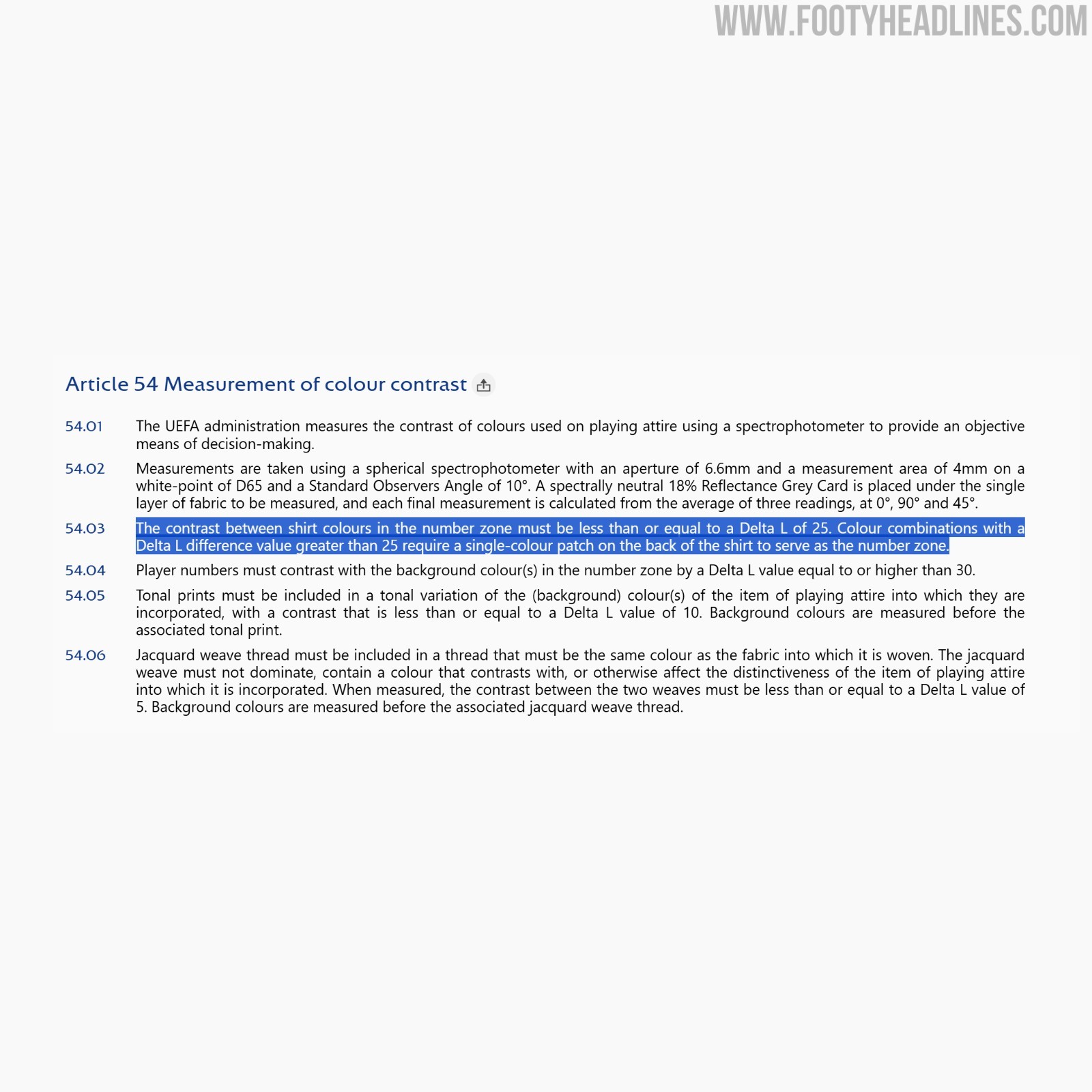
UEFA measures contrast in the Number Zone using a scientific color contrast metric known as Delta L:
- The Delta L Rule: If the alternating colors on the back of a jersey differ in lightness value by a Delta L score greater than 25 ($\\Delta L > 25$), UEFA considers the pattern too high-contrast for legible numbers and mandates a solid single-color box or patch.
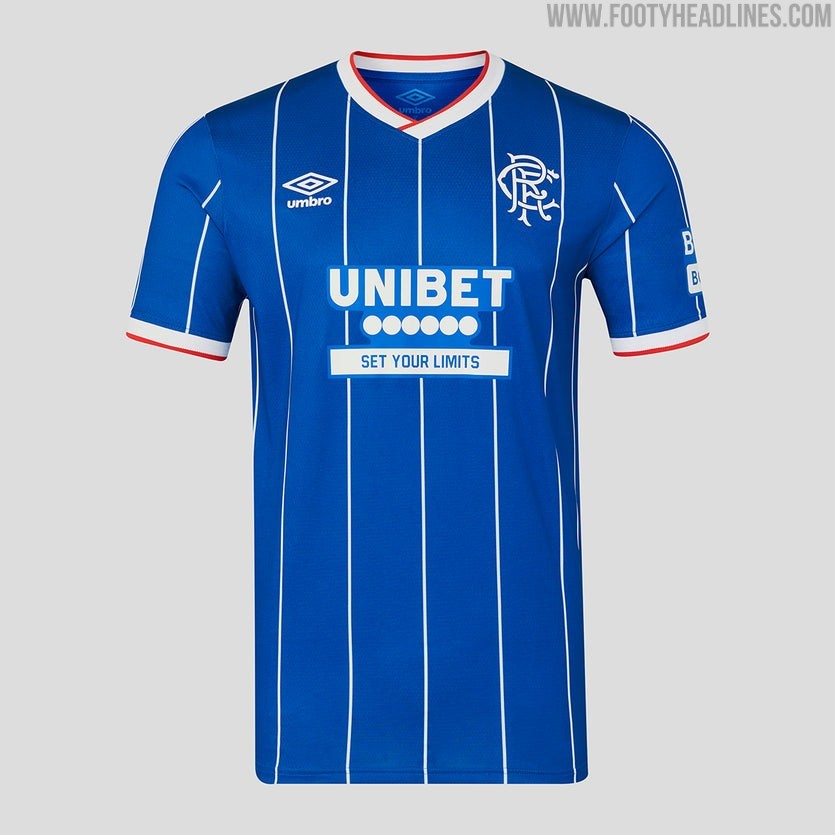
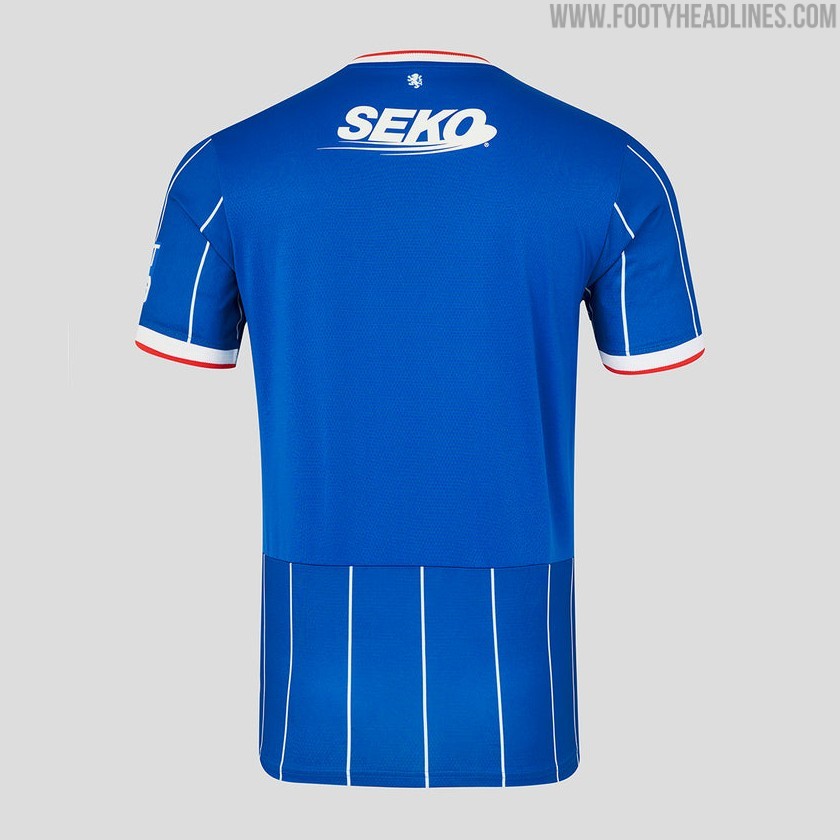
A prime example of UEFA's kit rules is the Rangers 26-27 home kit, which has a solid back panel despite having only pinstripes. Under Section 8.06 of the UEFA Equipment Regulations, shirts featuring thin vertical lines (pinstripes) that do not exceed 2 mm in width and are spaced at least 5 cm apart do not count as "striped shirts." Because they aren't classified as full stripes, they are not subject to standard striped-shirt contrast restrictions. Rangers' pinstripes are apparently wider than 2 mm and therefore counted as striped.
With modern high-definition broadcasting, UEFA's rigid plain back rules feel increasingly outdated. Relaxing the regulation to allow continuous patterns - provided numbers have sufficient (outline) contrast - would eliminate awkward design compromises.
Should UEFA loosen its strict plain kit rules? Comment below.

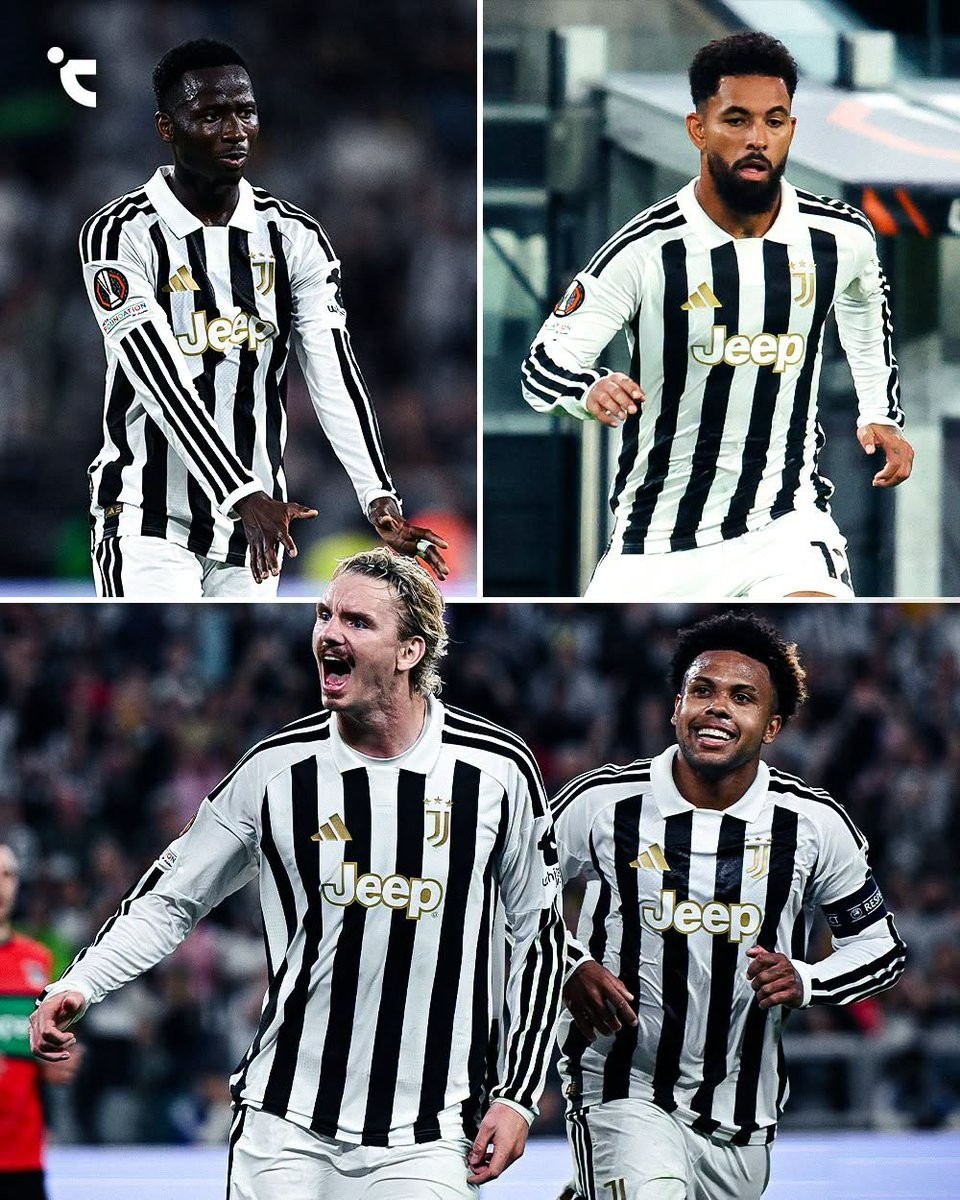
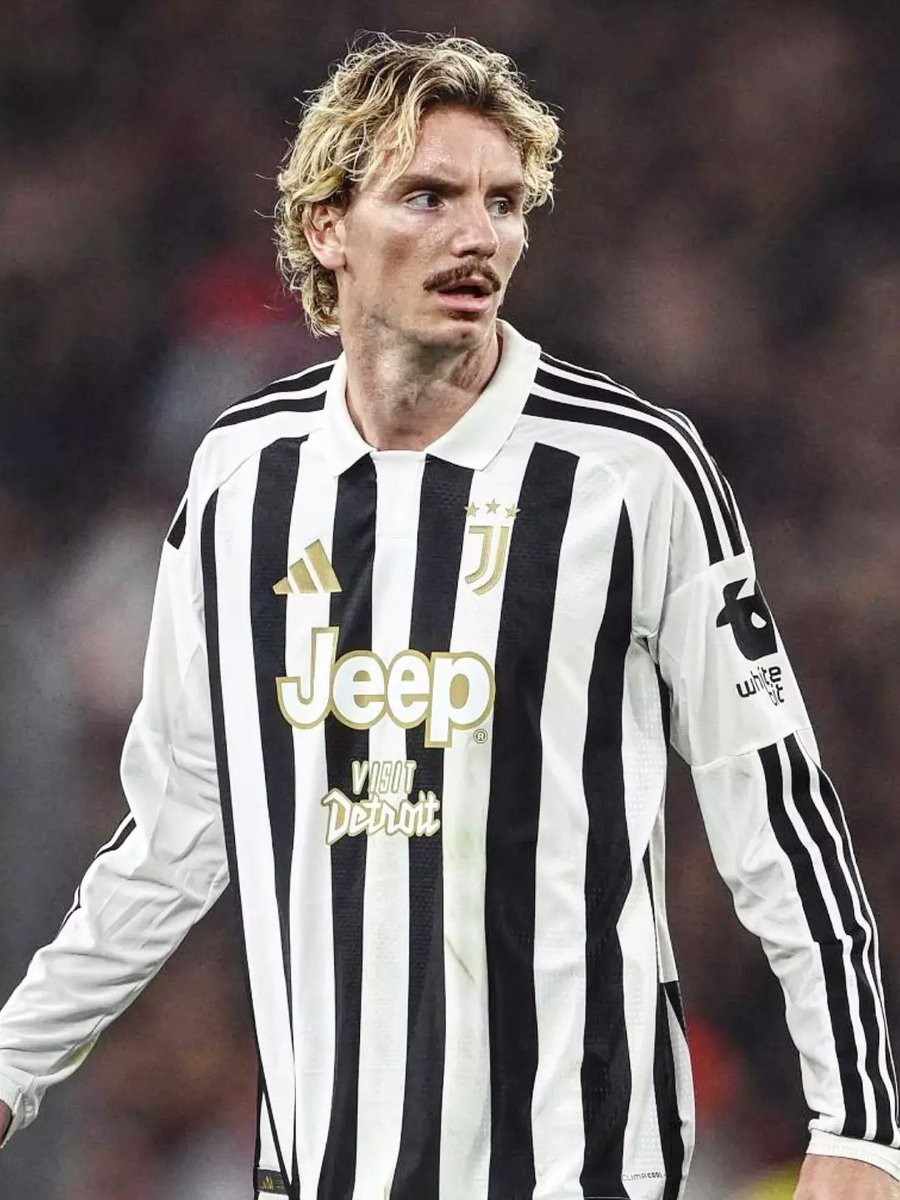
The Woltemade Effect: Juventus Squad Follows Striker With Major Long-Sleeve Switch
Nick Woltemade's arrival at Juventus has sparked an unexpected kit trend in Turin. After the German forward made headlines by debuting a long-sleeved home shirt against AC Milan—becoming the first Bianconeri outfield player in over 12 years to wear an official long-sleeve match kit—his teammates are now following in his footsteps.
The trend reached new heights in Juventus's recent European clash against NEC, where six players took the pitch in long sleeves. Alongside Woltemade, starters Weston McKennie, Douglas Luiz, and Pape Matar Sarr all lined up with full-length sleeves, while substitutes Randal Kolo Muani and Teun Koopmeiners also sported the look off the bench. Interestingly, Douglas Luiz demonstrated that switching to the classic silhouette takes some getting used to, as the Brazilian midfielder changed back into a short-sleeved jersey for the second half.
The sudden revival of long sleeves on the pitch is made possible by Adidas reintroducing authentic long-sleeved player shirts for the 26-27 season. For more than a decade, outfield players at Juventus and across Europe were generally restricted to short-sleeve kits paired with compression baselayers.
With Woltemade leading the charge and half of the Juventus outfield lineup already embracing the design, the retro aesthetic looks poised to spread even further across Serie A this season.
Brighton to Debut Special Nike 125th Anniversary Kit Against Arsenal
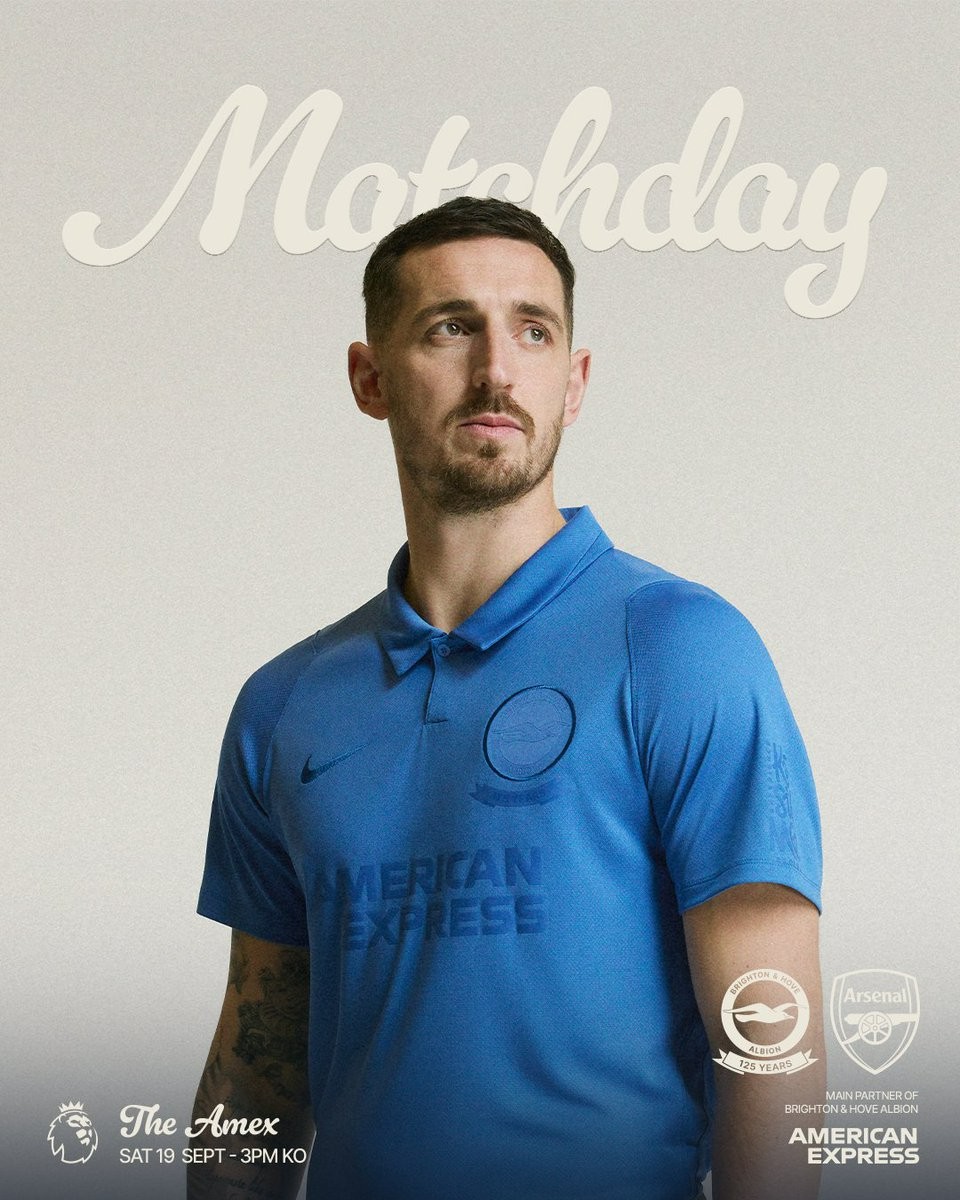
Brighton & Hove Albion are debuting a special limited-edition Nike 125th anniversary kit today in their Premier League encounter against Arsenal at the Amex Stadium. The match was selected to mark 125 years since the club's formation, being the closest home fixture to the anniversary of Albion's first-ever competitive match on September 21, 1901.
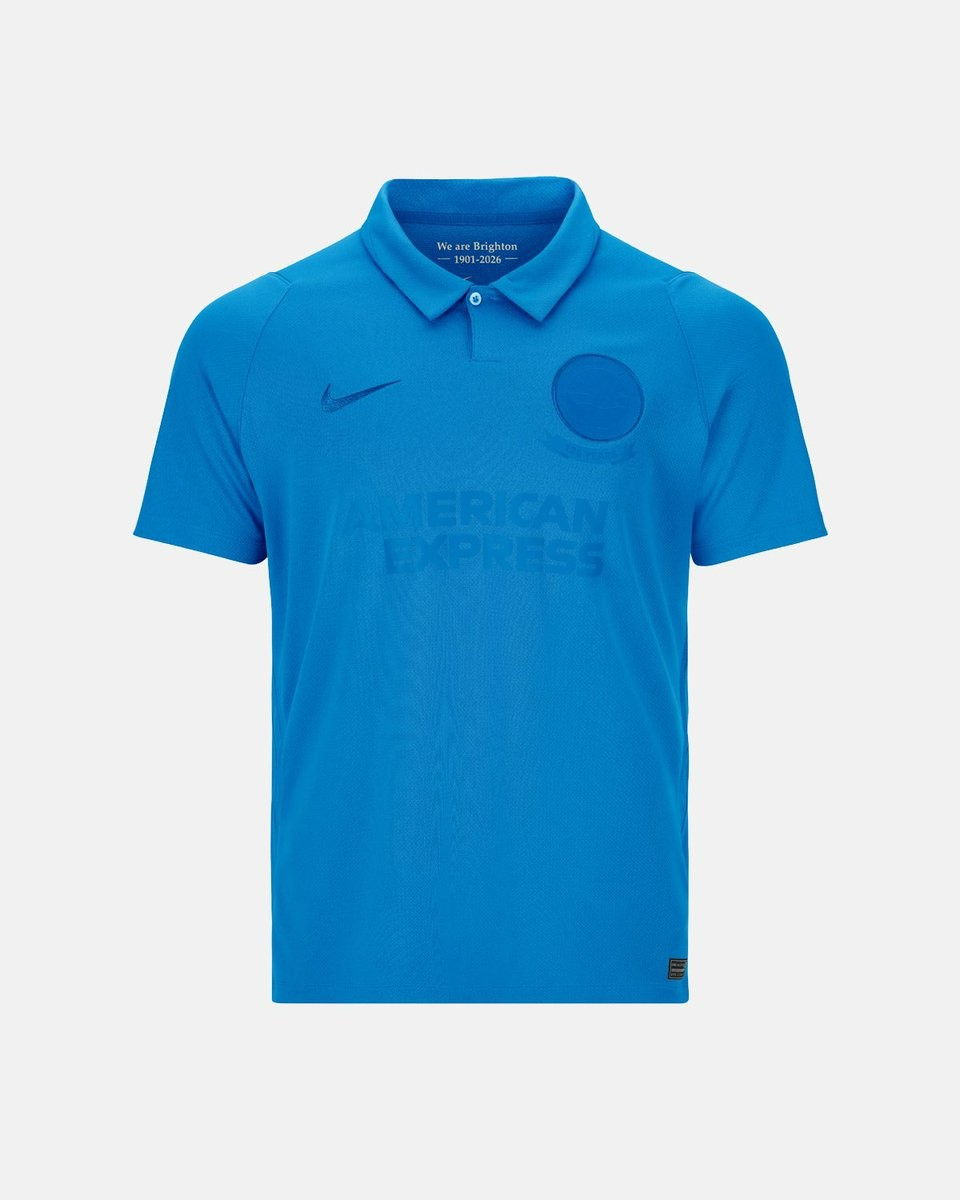
Crafted by Nike, the commemorative 26-27 shirt takes direct inspiration from the club's earliest kits from the 1901-02 season. Built around a clean mountain-blue base, the design leans heavily into an understated retro aesthetic. It features a classic polo collar, tonal blue branding for both the Nike Swoosh and the American Express front sponsor, and a matching tonal crest underlined with a '125 YEARS' ribbon. An internal collar graphic completes the look with the words 'We are Brighton 1901-2026'.
Initially launched in May 2026 alongside a limited run of 1,901 collector box sets, this unique kit is being worn as a strictly one-off tribute on the pitch.
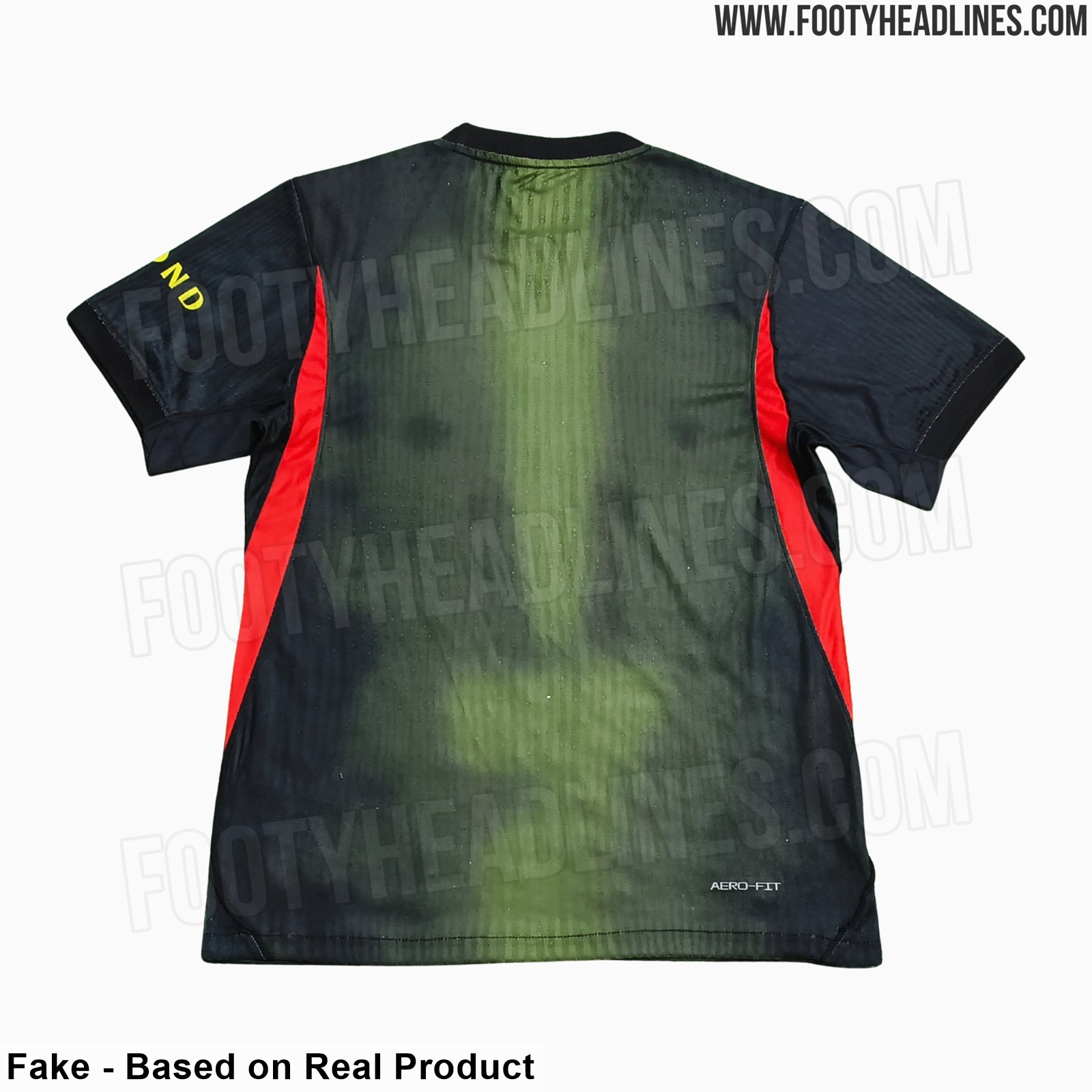
PSG 26-27 Third Kit Leaked - 9 New Images
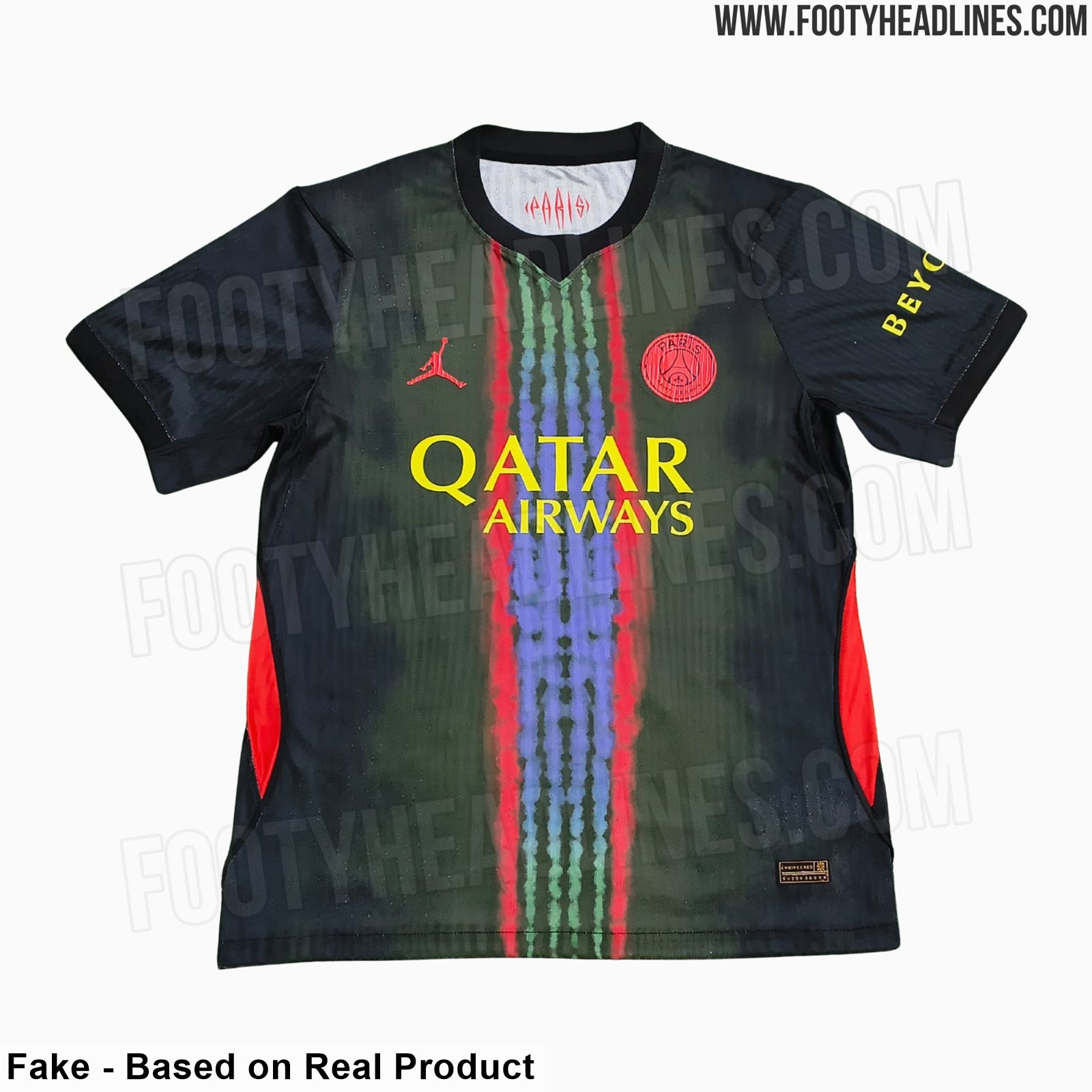
Footy Headlines can now leak 9 new pictures of the PSG 26-27 third kit. Although it is a fake, the design is identical to the real one.
The PSG 2026-2027 third kit has a striking look, predominantly black with red and multicolor elements, including red/yellow logos and red panels, and is made by Jordan.
The standout feature of the kit is a unique take on the team's classic Hechter design, which includes a multicolor center stripe merging blue, green, and red.
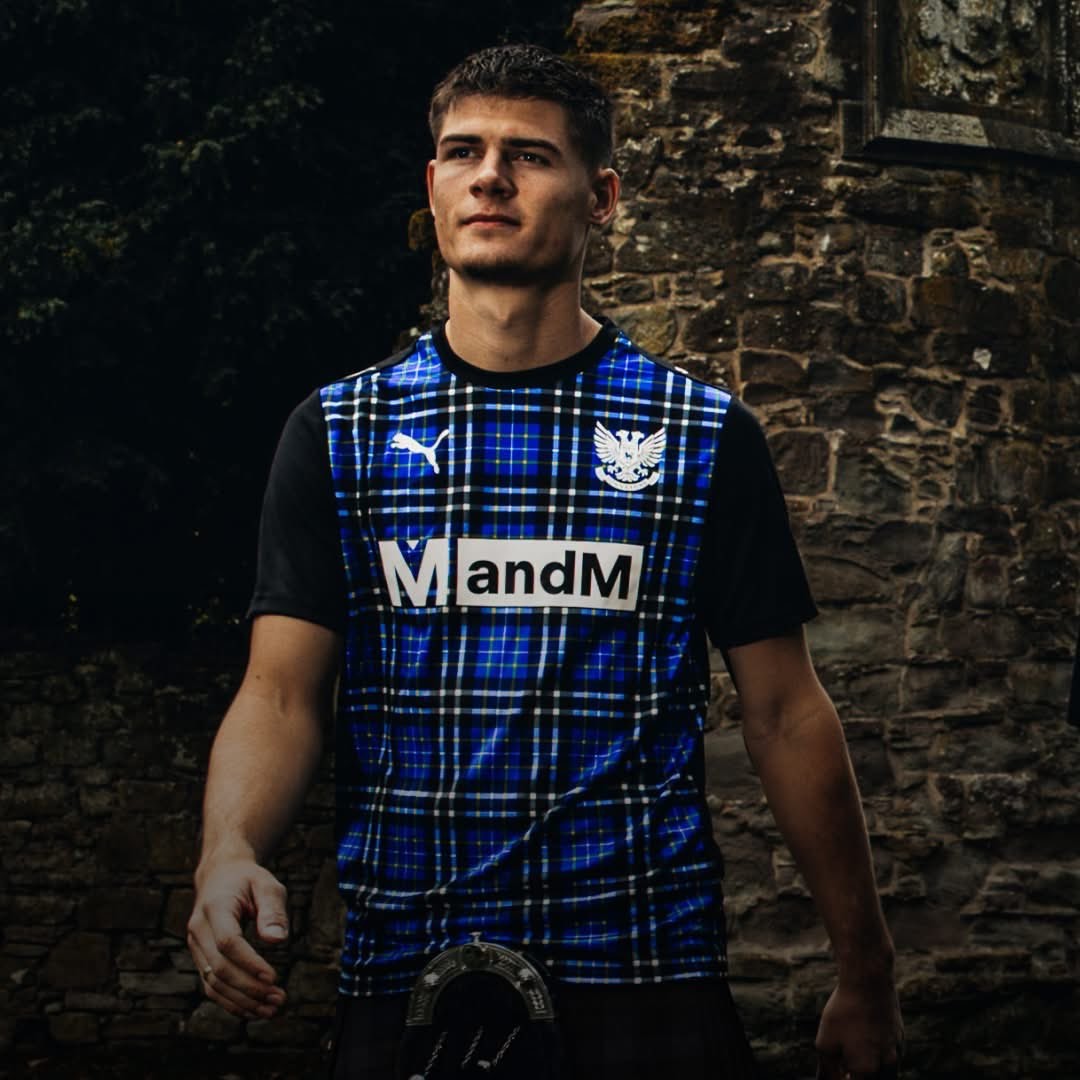
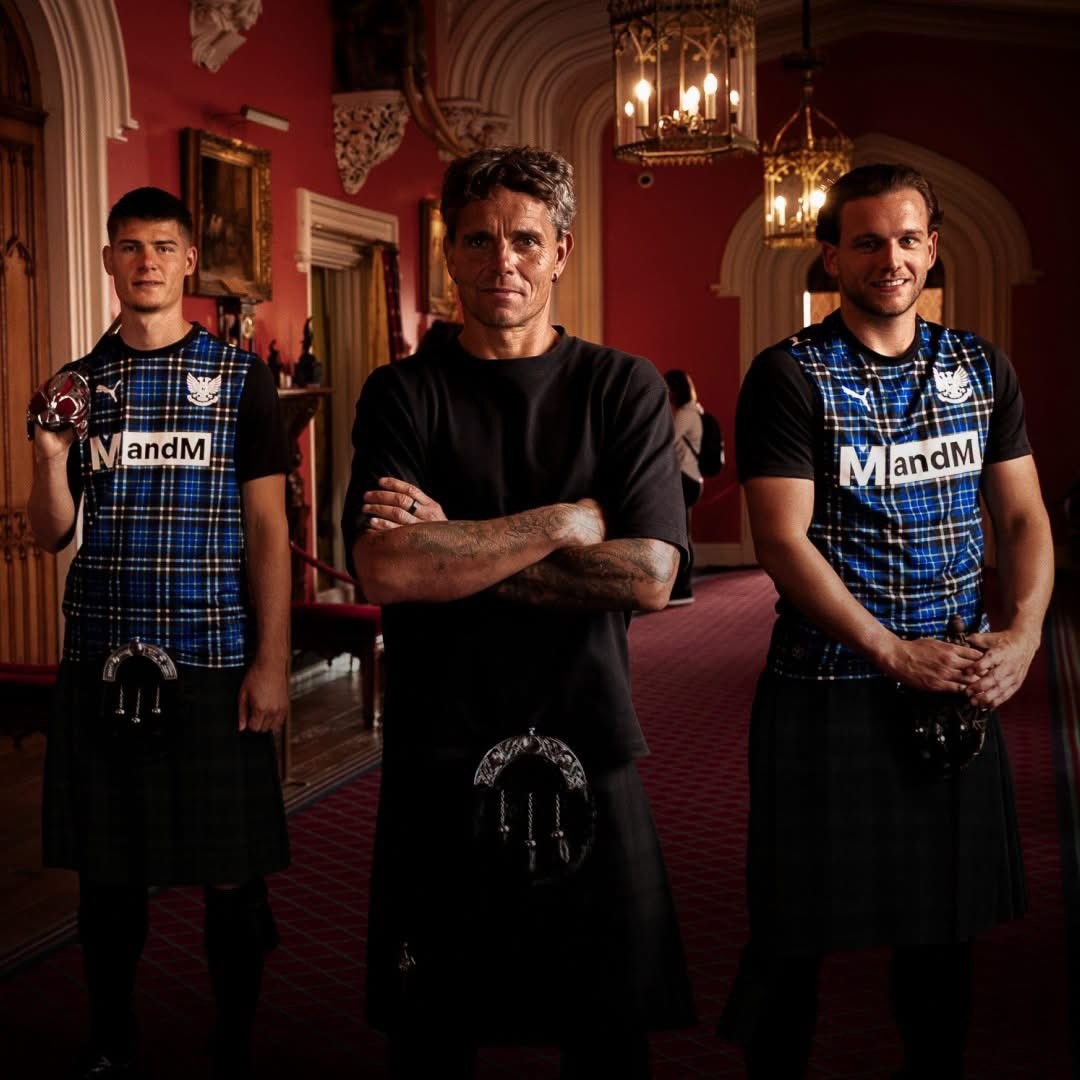
St Johnstone 26-27 Third Kit Released
Scottish Premiership side St Johnstone has officially unveiled its new third kit for the 2026-27 season. Crafted by Puma as part of their partnership running through 2029, the striking strip celebrates regional pride with a launch photoshoot set against the backdrop of the historic Scone Palace.
The Puma St Johnstone 2026-27 third shirt combines a black base with the club's official St Johnstone tartan printed vibrantly across the front panel. Solid black covers the sleeves, back, and crew neck collar, allowing the intricate blue, black, and white pattern to take center stage. Clean white branding completes the look, featuring Puma cat motifs, a monochrome St Johnstone crest, and the MandM front sponsor.
Continuing the club's tradition of utilizing tartan accents on alternate strips, the new third kit made its competitive debut against Falkirk at McDiarmid Park. It completes the Saints' kit set for the 26-27 campaign alongside the previously unveiled royal blue home and yellow away shirts.
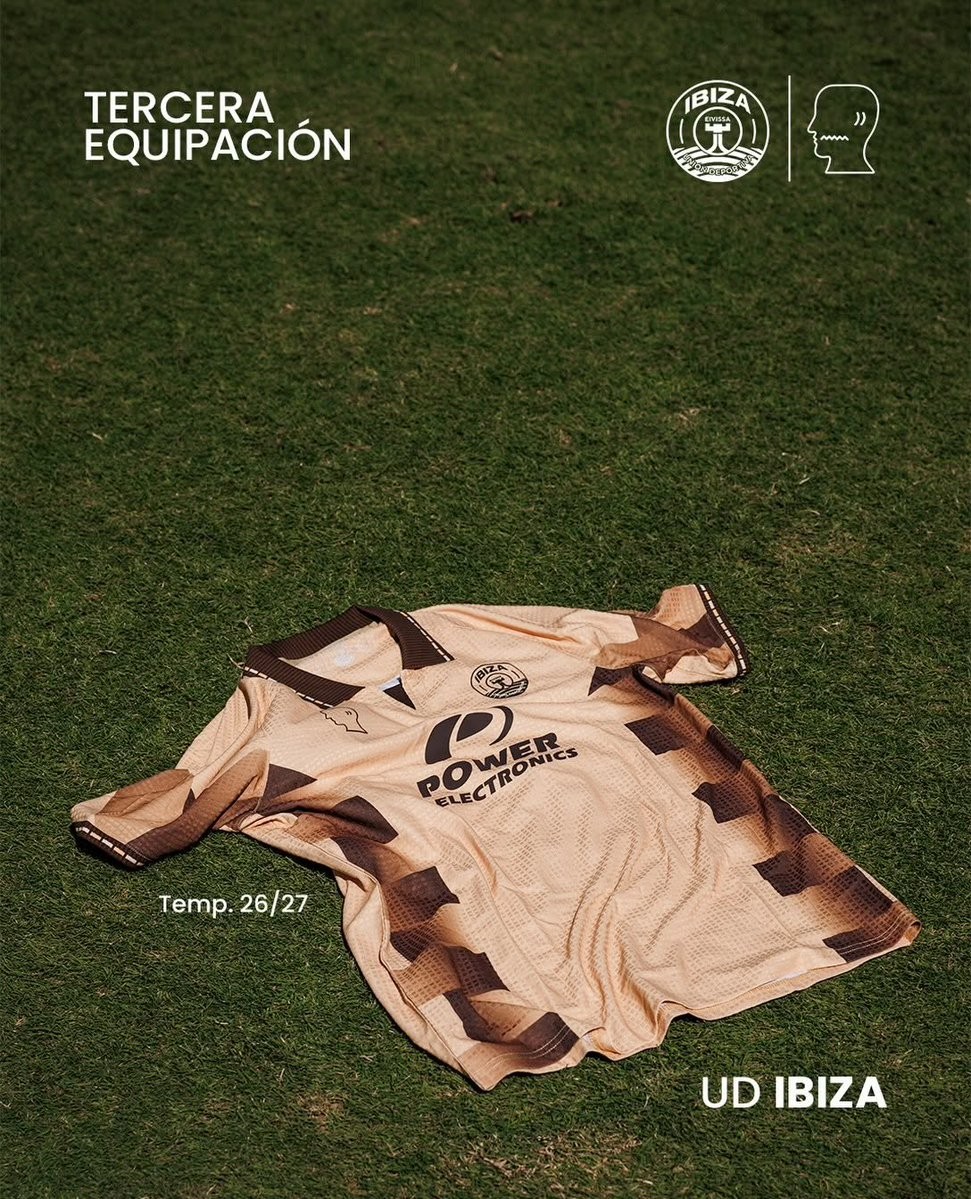
UD Ibiza 26-27 Third Kit Released
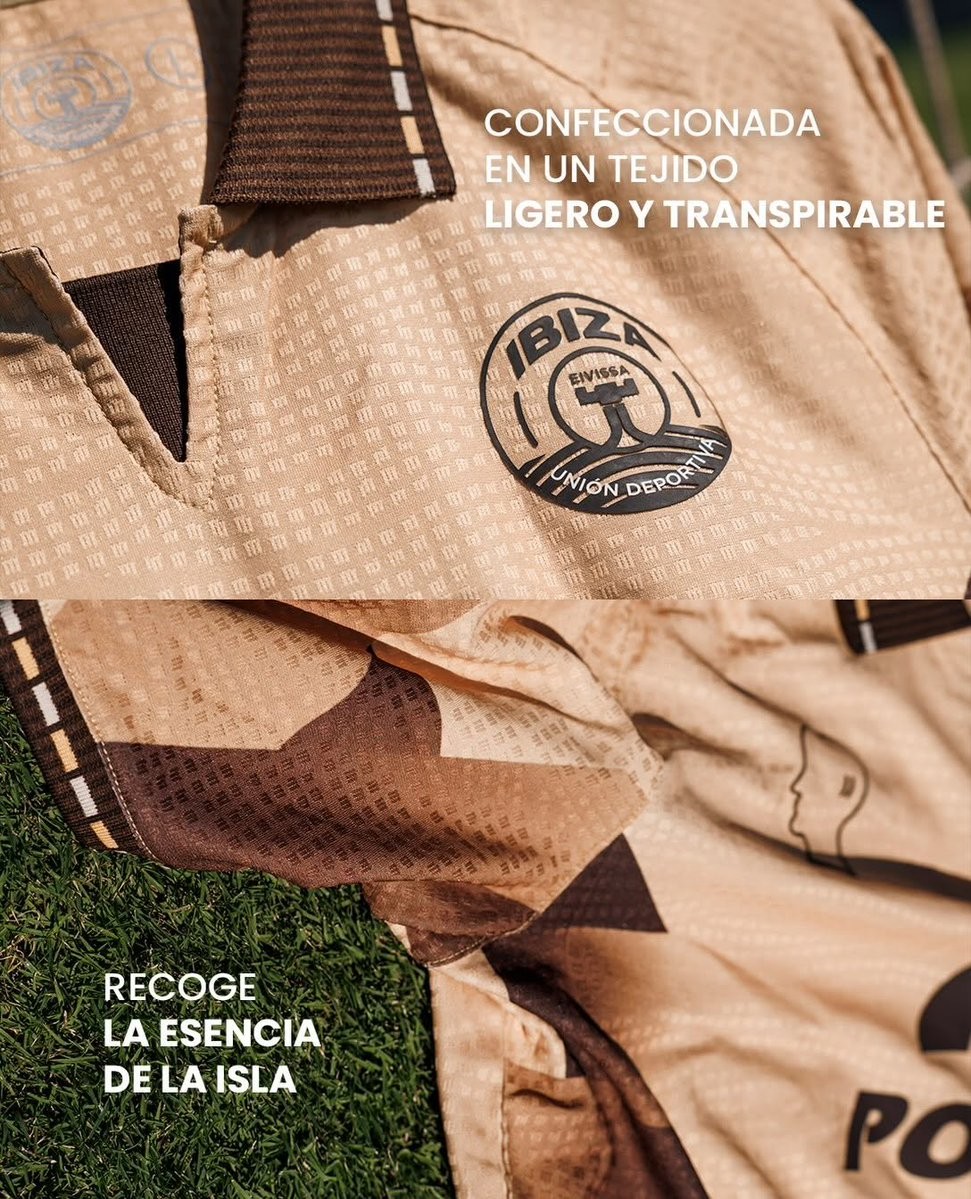
Spanish club UD Ibiza has unveiled its new third kit for the 26-27 season, continuing the unique aesthetic created in collaboration with cult streetwear collective Brain Dead. The creative label took over technical sponsorship duties from Puma ahead of the campaign, delivering bespoke designs that merge island identity with contemporary culture.
The UD Ibiza 26-27 third shirt is built around an earthy sand and gold base with an all-over micro-pattern fabric texture. Striking dark brown stepped chevron and gradient blocks run along the sides and down the sleeves. A retro polo collar in dark brown is highlighted by dashed edge trim, which is also repeated on the sleeve cuffs.
Brain Dead's signature head profile logo is placed on the right chest opposite a monochrome UD Ibiza crest on the left. Long-standing club sponsor Power Electronics is applied across the center chest in dark brown to round off the design.
Bespoke Rose Pattern: Ternana Femminile 26-27 Third Kit Released
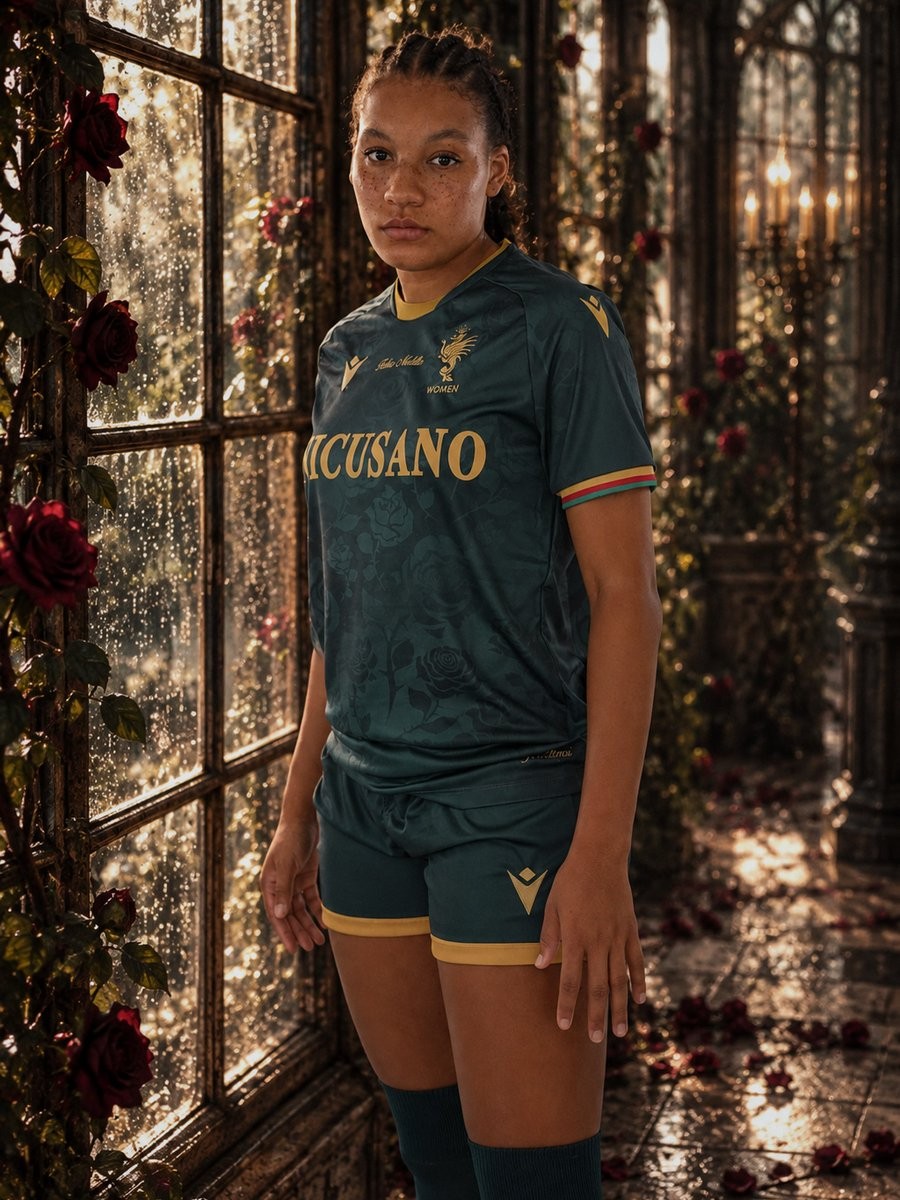
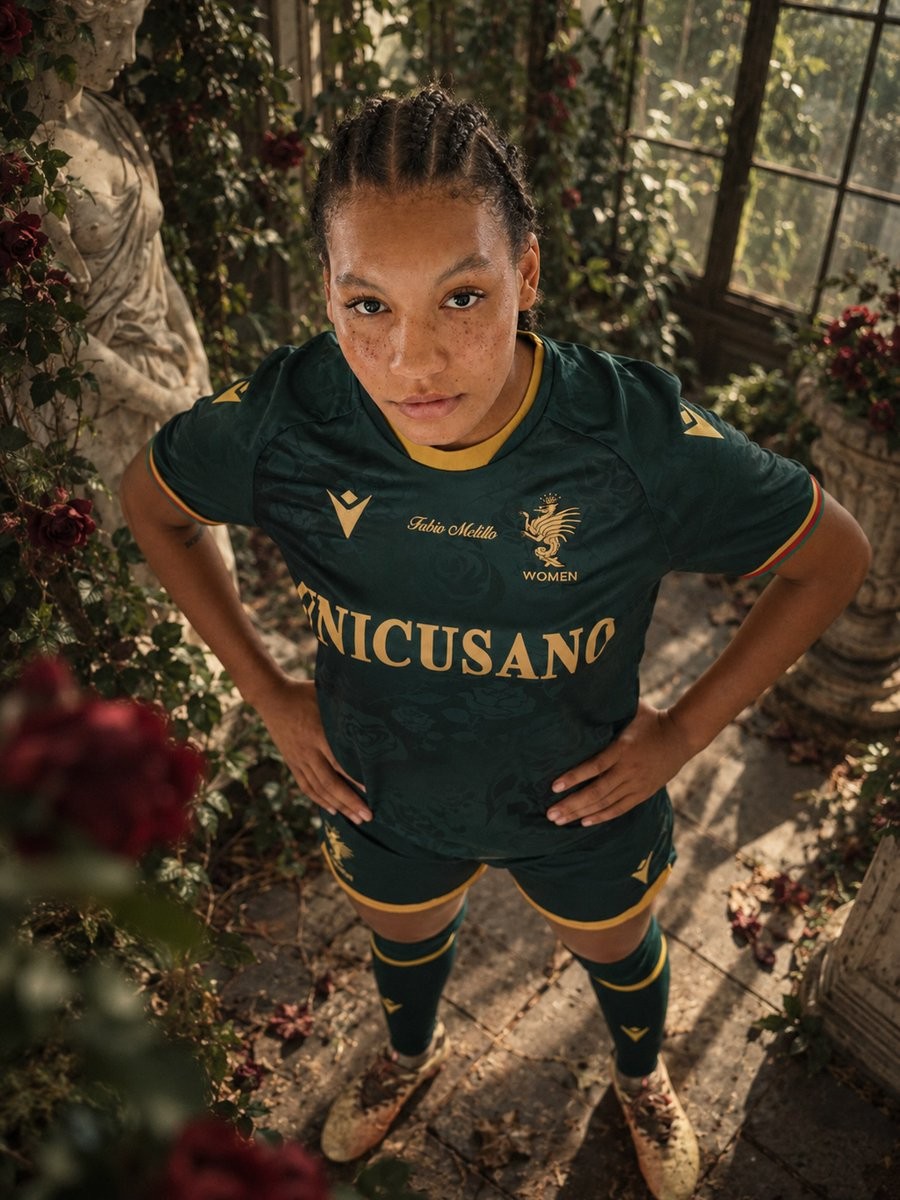
Italian Serie A Femminile side Ternana Women have officially unveiled their new 26-27 third kit, made by Macron. Continuing the bespoke thematic storytelling seen across their home and away uniforms this season, the alternative strip is centered on the concept of nymphs and the symbolic figure of the rose. The design explores the balance between elegance and resilience, using the motif of blooming roses and protecting thorns to reflect the team's identity.
The Macron Ternana Women 26-27 third jersey is built around a deep dark green base decorated with an intricate, tone-on-tone all-over jacquard graphic featuring roses, stems, and thorns. Metallic gold details appear throughout the kit, coloring the crew-neck collar trim, the Macron Hero logos, the Unicusano sponsor print, and the club crest featuring the mythical Thyrus dragon. A discreet tri-color cuff detail in red, green, and yellow adds a touch of classic club identity to the sleeves.
As with the rest of the club's collection, the shirt prominently features the name of former coach Fabio Melillo scripted in gold across the center chest in an ongoing tribute following his passing in 2024. The club's familiar motto "Attimi eTERNI" is stamped on the back of the neck. Dark green shorts with matching rose-patterned side panels and dark green socks complete the new strip.
FC Fredericia 26-27 35th Anniversary Kit Released
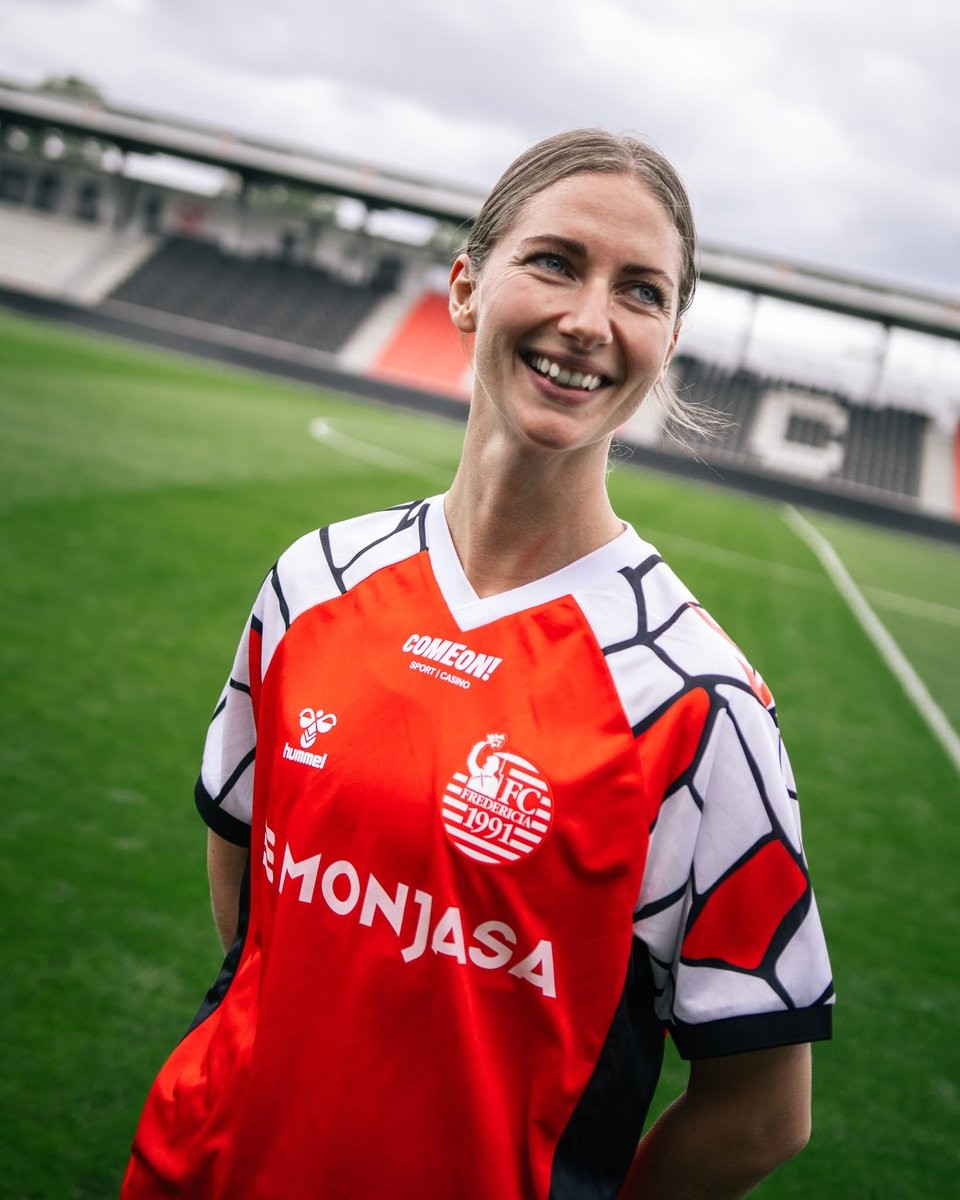
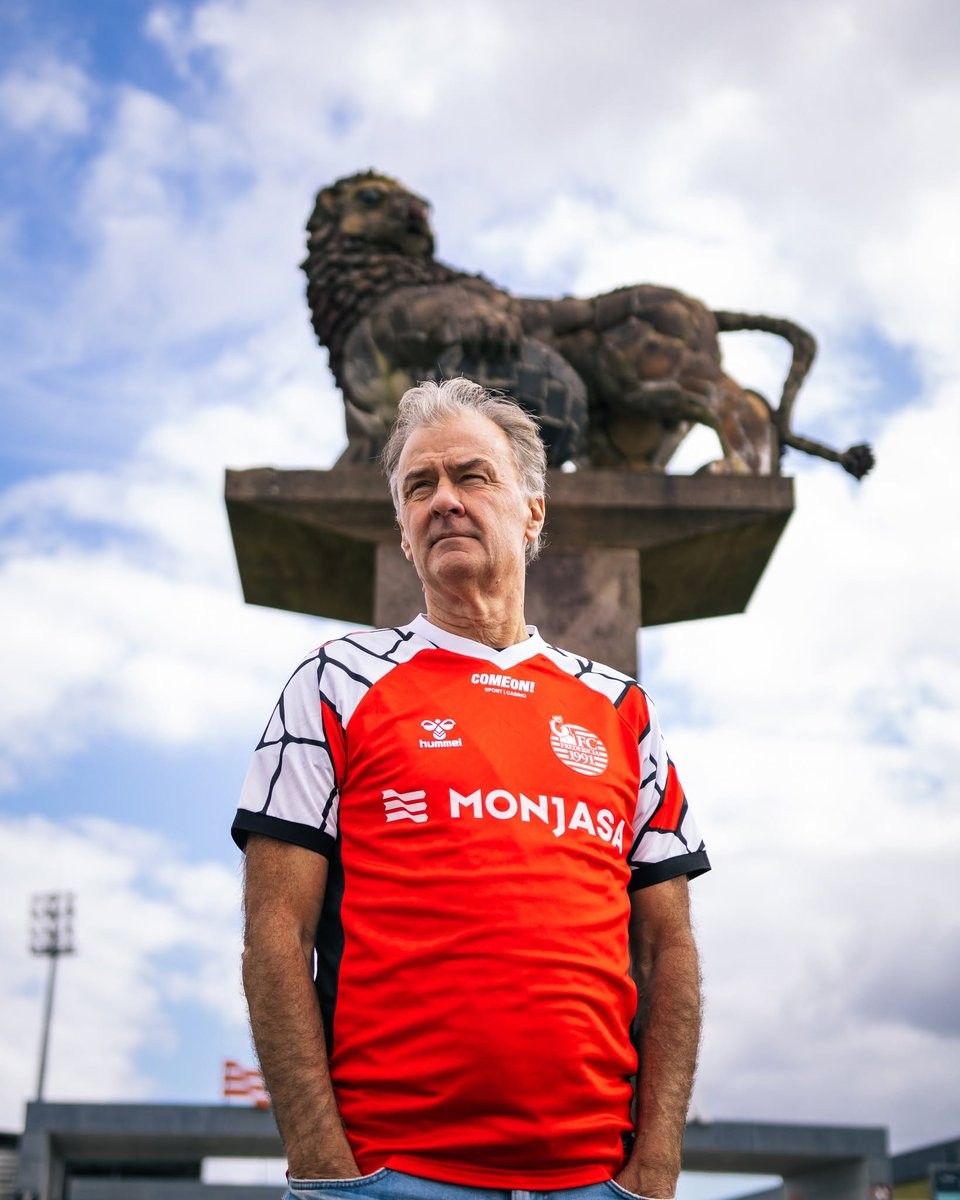
Danish club FC Fredericia and manufacturer Hummel have officially unveiled a special 35th anniversary kit for the 26-27 season. Designed in collaboration with branding agency Created By Black, the limited-edition jersey commemorates the 35 years since the club's foundation on January 3, 1991.
The shirt takes direct inspiration from FC Fredericia's very first jersey from 1991, highlighted by the return of the club's original retro crest on the chest. It combines a vibrant red torso with a distinctive fractured mosaic pattern in white and black across the raglan sleeves and shoulders. A clean white V-neck collar, black sleeve cuffs, and black side panels complete the look, while Monjasa sits prominently as the primary shirt sponsor alongside Hummel branding and ComeOn! on the upper chest.
Set to make an exclusive on-pitch appearance in the local derby against Vejle Boldklub at Monjasa Park, the anniversary release serves as a collector's piece celebrating the club's journey from 1991 to 2026.
CA Huracán 2026 Third Kit Released
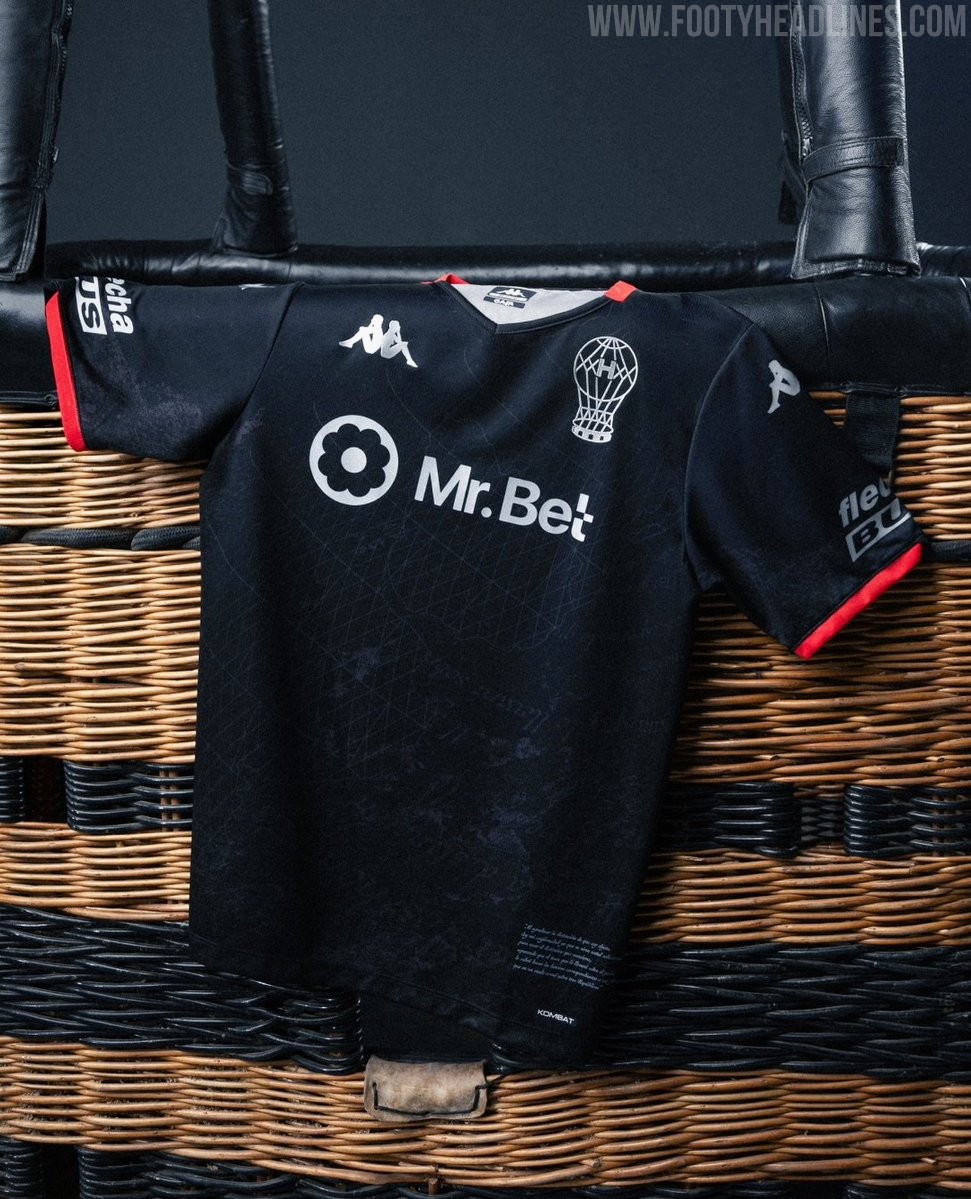
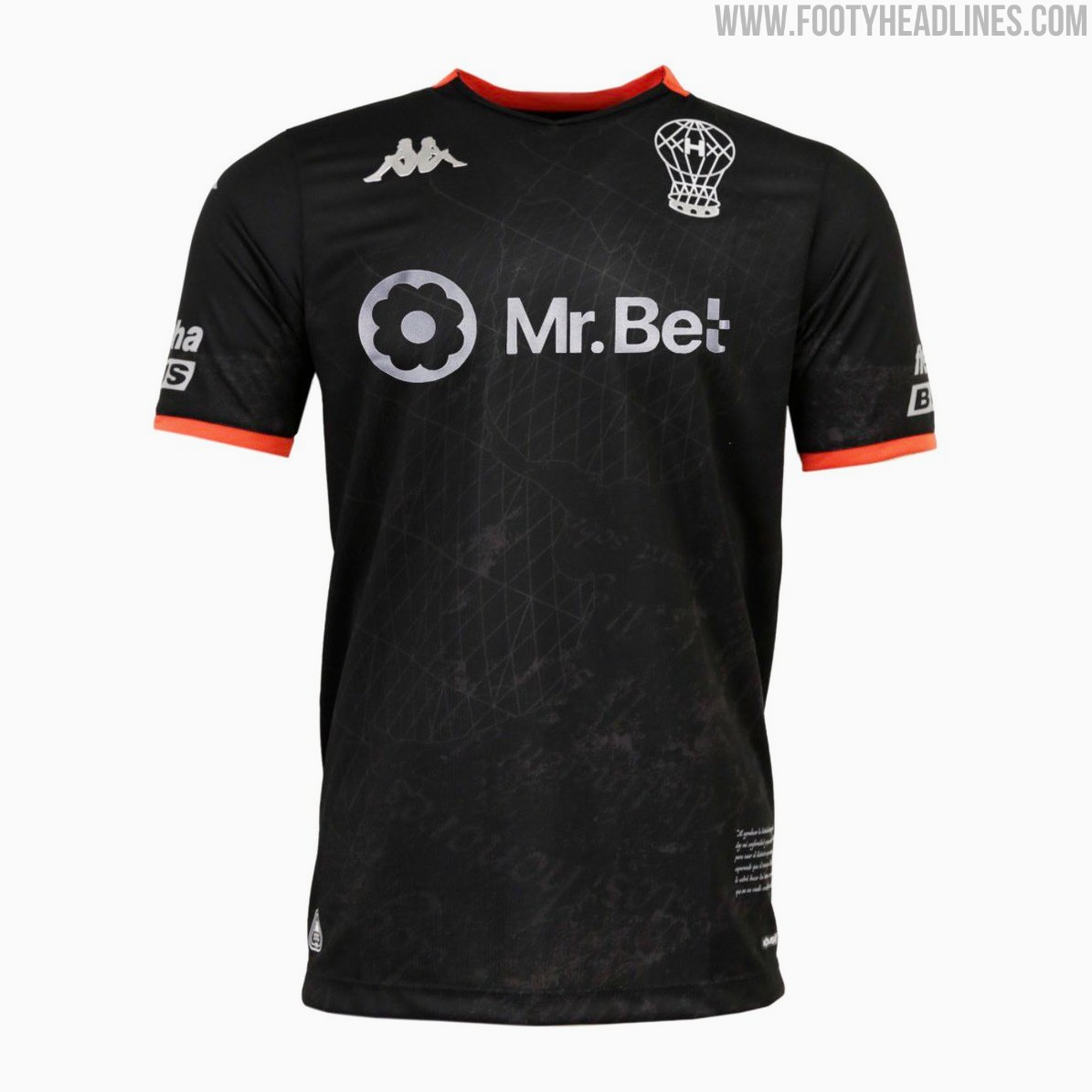
Argentine side CA Huracán and Kappa have officially unveiled the club's new 2026 third shirt, paying tribute to aviation pioneer Jorge Alejandro Newbery and his historic balloon flight that gave the club its identity. Predominantly black with subtle marble textures inspired by the Central Hall and architecture of the Estadio Tomás Adolfo Ducó, the jersey is accented with red trim on the collar and cuffs alongside silver-white partner logos.
CA. Tigre to Return to Joma in 2027
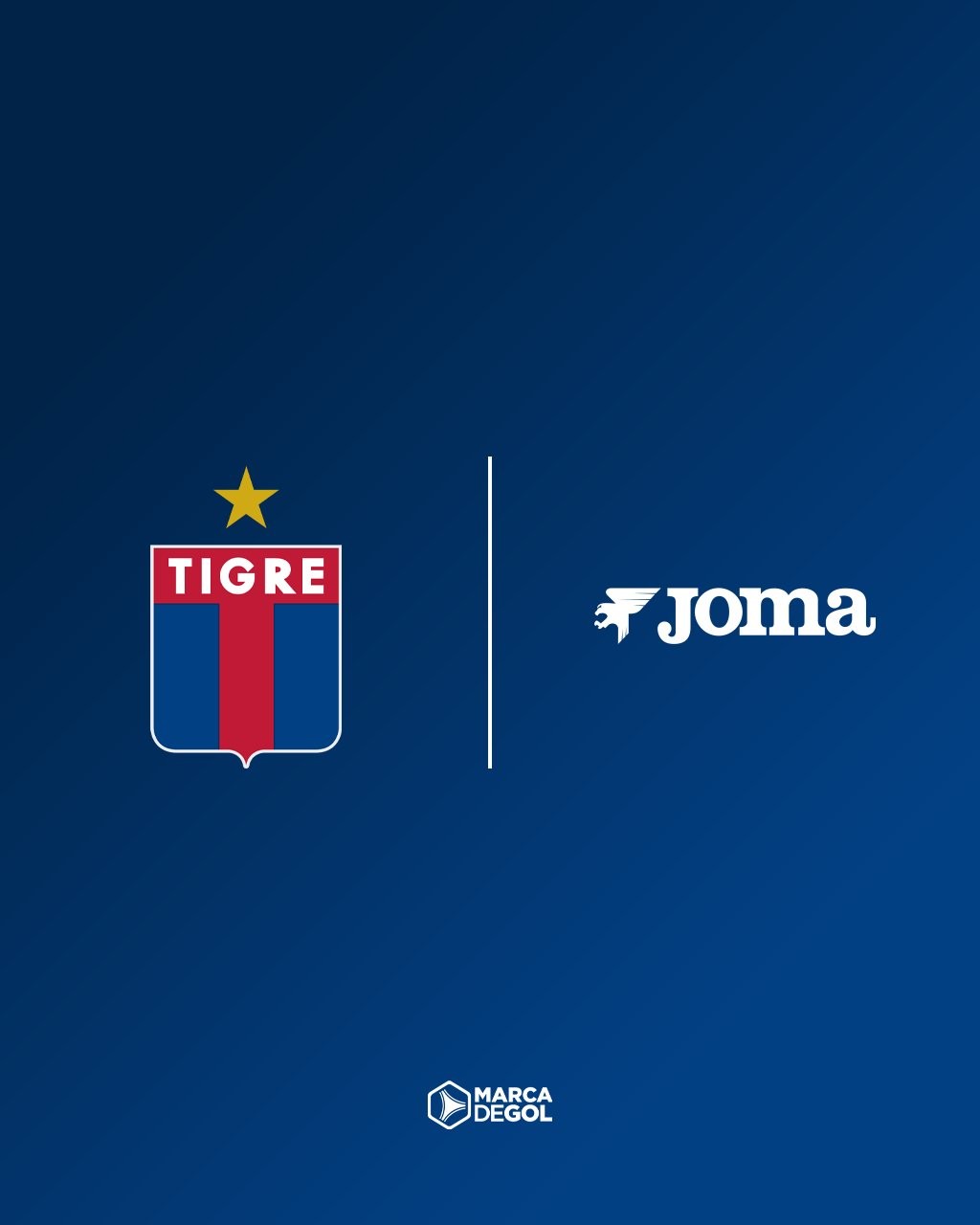
Argentine club Club Atlético Tigre have officially announced a return to Spanish sportswear brand Joma starting in 2027, bringing an end to their partnership with Kappa that began in 2021. The multi-year agreement covers at least two seasons and marks the second collaboration between Tigre and Joma, who previously manufactured the club's kits from 2017 to 2021. Huge thanks to @marcadegol for the image.