UEFA


Manchester United Force to Modify Third Kit Sponsor for Champions League
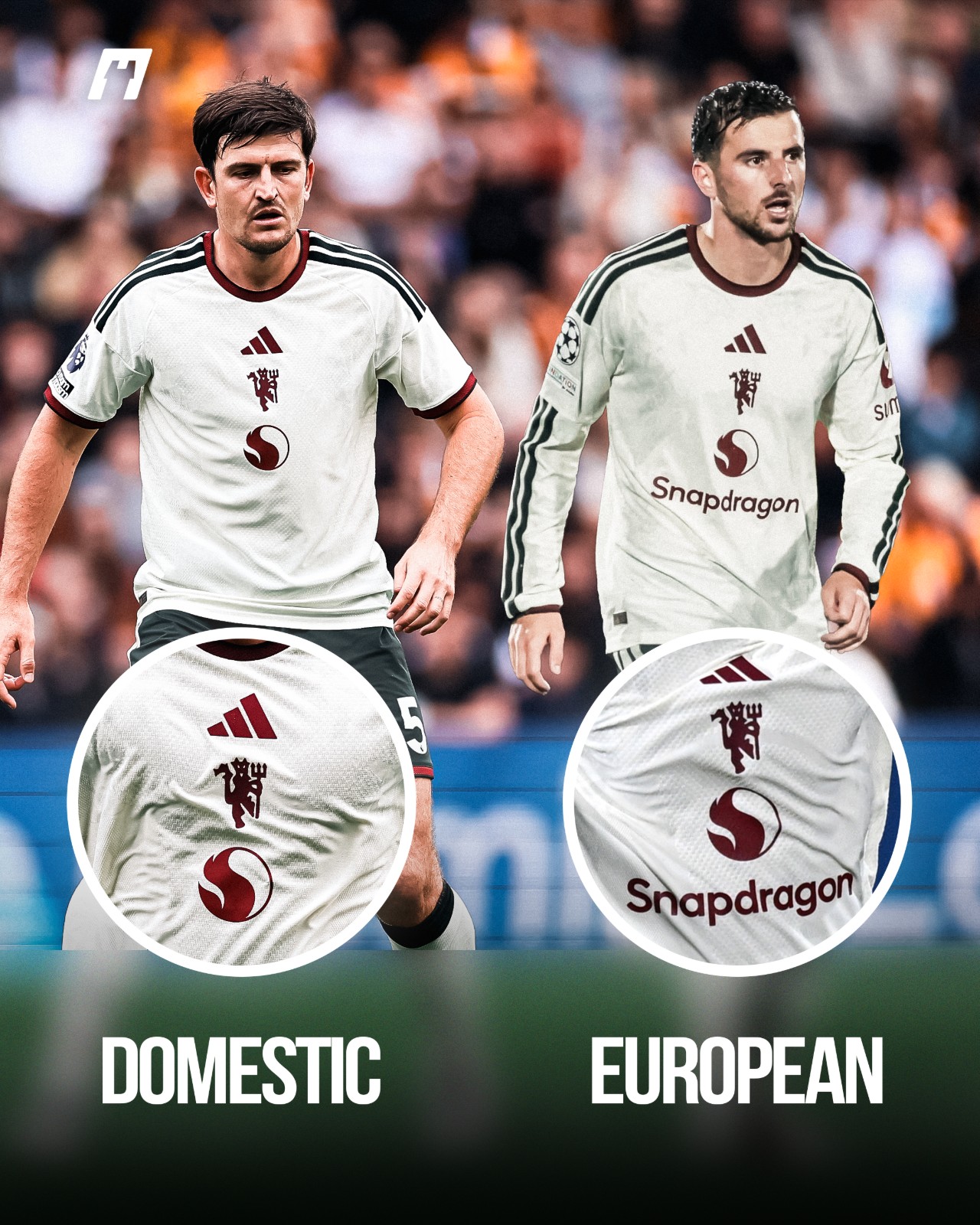
Facing off against Como 1907, Manchester United took the pitch in their third kit, featuring a noticeable twist on the front-of-shirt sponsor logo.
The Red Devils were required to add the "Snapdragon" wordmark beneath the signature fireball emblem. This change comes down to strict UEFA Equipment Regulations, which mandate that main front-of-shirt sponsor branding must remain consistent across all registered match kits (home, away, and third).
Big thanks to @whatthekit_x for the comparison graphic.

Standout 26-27 UEFA Champions League Shirt Fonts Highlighted
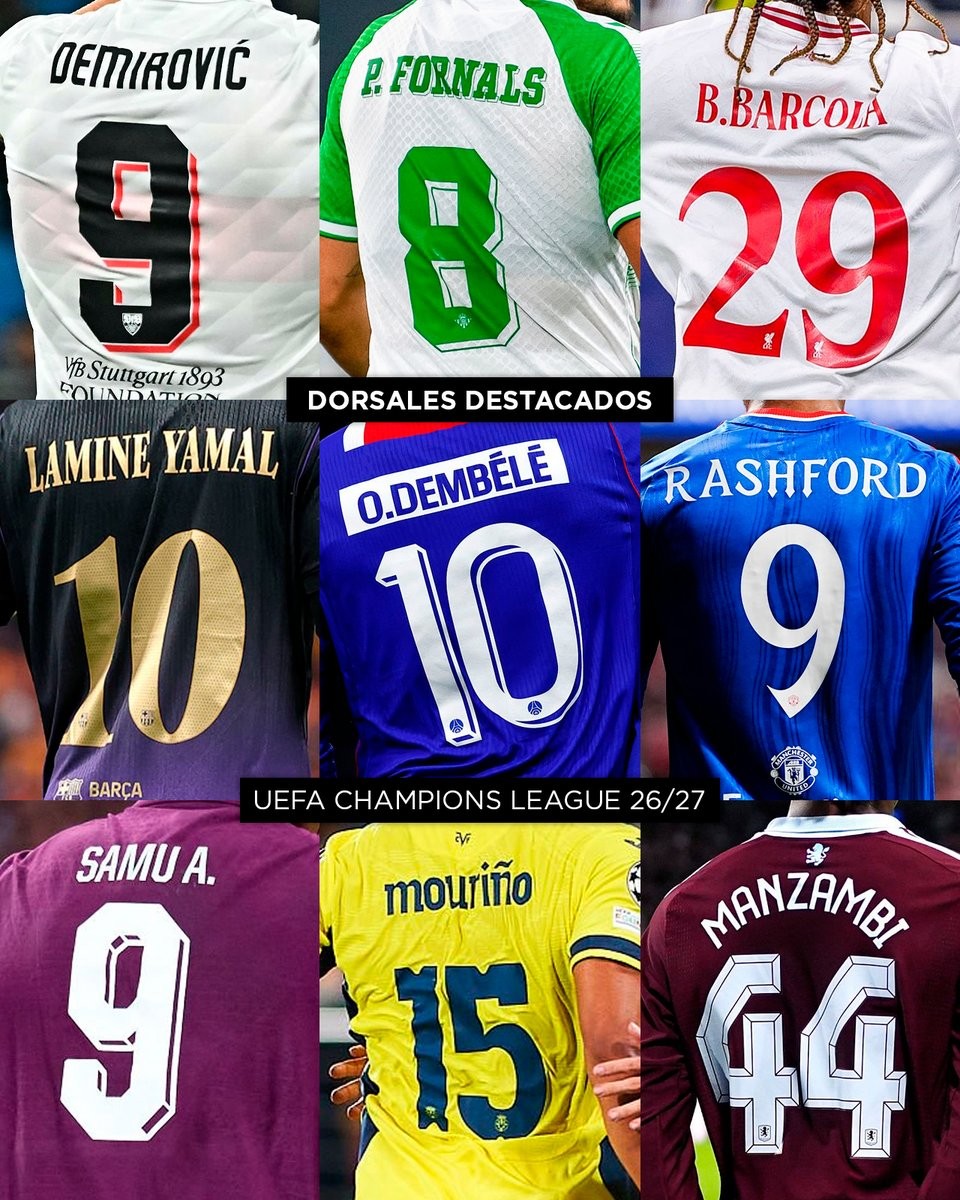
Football design account Paladar Negro has shared an eye-catching visual compilation showcasing some of the most striking squad number and name fonts featured across the 26-27 UEFA Champions League. While major domestic leagues like the Premier League, La Liga, and Ligue 1 enforce standardized typefaces, UEFA competitions give clubs the freedom to deploy bespoke cup fonts that elevate the overall identity of their kits.
The selection highlights nine distinctive shirt backs from around the continent, showcasing a great variety of design philosophies. Notable inclusions feature Ermedin Demirović's bold, shadowed number 9 on VfB Stuttgart's home shirt, Bradley Barcola's flowing red lettering, and Lamine Yamal sporting the legendary number 10 for FC Barcelona in metallic gold. Also showcased are Ousmane Dembélé's clean Paris Saint-Germain print, Marcus Rashford's number 9 on Manchester United's alternate strip, and Samu Aghehowa's vivid typography.
Particularly eye-catching are the retro-inspired creations, such as Santiago Mouriño's dynamic font on Villarreal's signature yellow jersey and the heavily beveled 3D block numbers sported by Johan Manzambi on Aston Villa's claret kit. These custom lettering styles show how much thoughtful typography can enhance kit design under the European lights.
Which 26-27 Champions League typeface is your favorite? Let us know in the comments below.
Why Football Teams Are Forced to Remove Kit Sponsors in UEFA Competitions
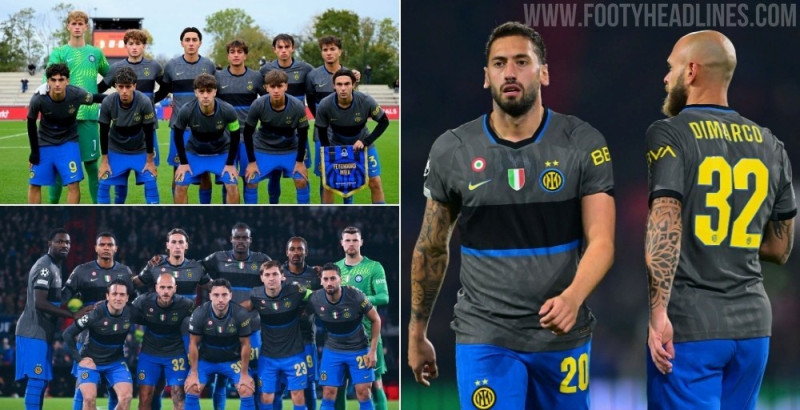
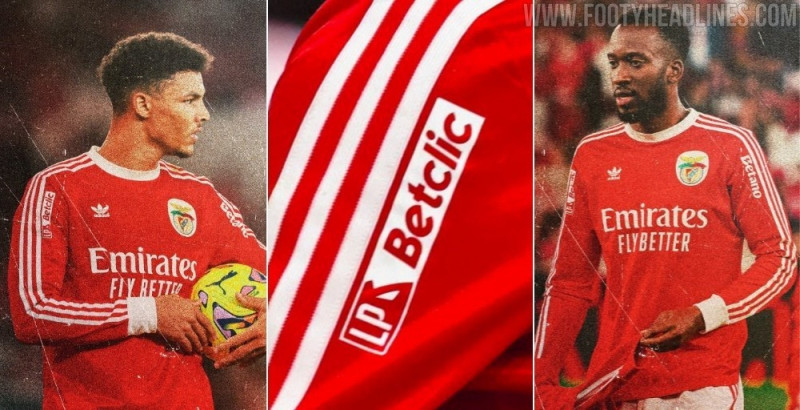
Every season across the UEFA Champions League, Europa League, and Conference League, eagle-eyed supporters notice clubs taking to the pitch in sponsorless shirts or sporting unexpected charity logos. While UEFA's own kit equipment regulations do not place an outright ban on gambling or betting partnerships, Article 44 explicitly requires participating clubs to comply with the local legislation of the match-hosting nation. When a team travels to a country with strict bans on sports betting and gambling promotion, their regular commercial sponsors cannot appear.
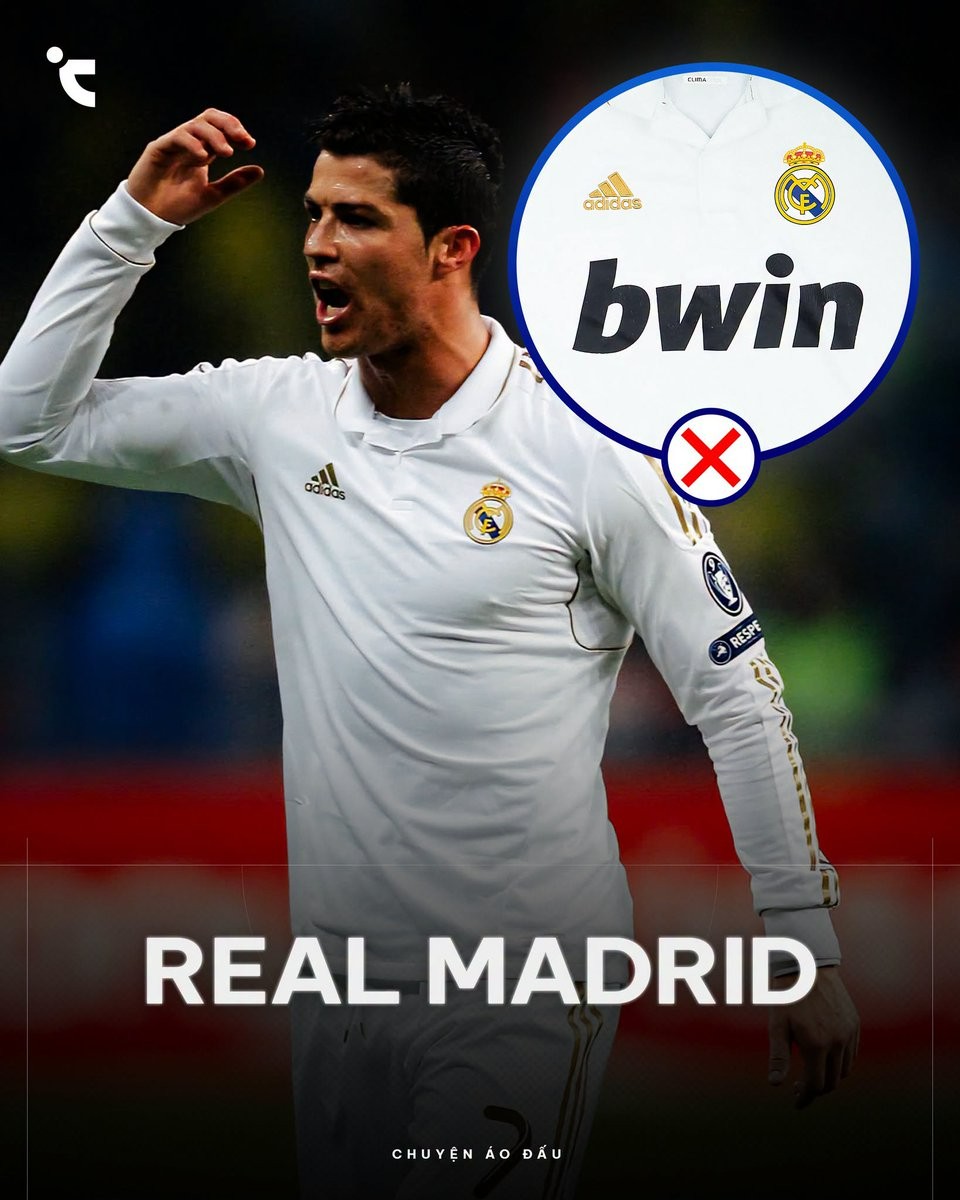
This dynamic has created some iconic European kit moments over the decades. In the late 2000s and early 2010s, both AC Milan and Real Madrid frequently had to strip the bwin logo from their jerseys when playing away in countries like France and Switzerland due to local gambling restrictions. In recent years, Spain's Royal Decree 958/2020 banned betting advertising in sport, forcing teams like Inter Milan to drop Betsson.sport and VfB Stuttgart to wipe Winamax from their chests during visits to Spanish grounds.
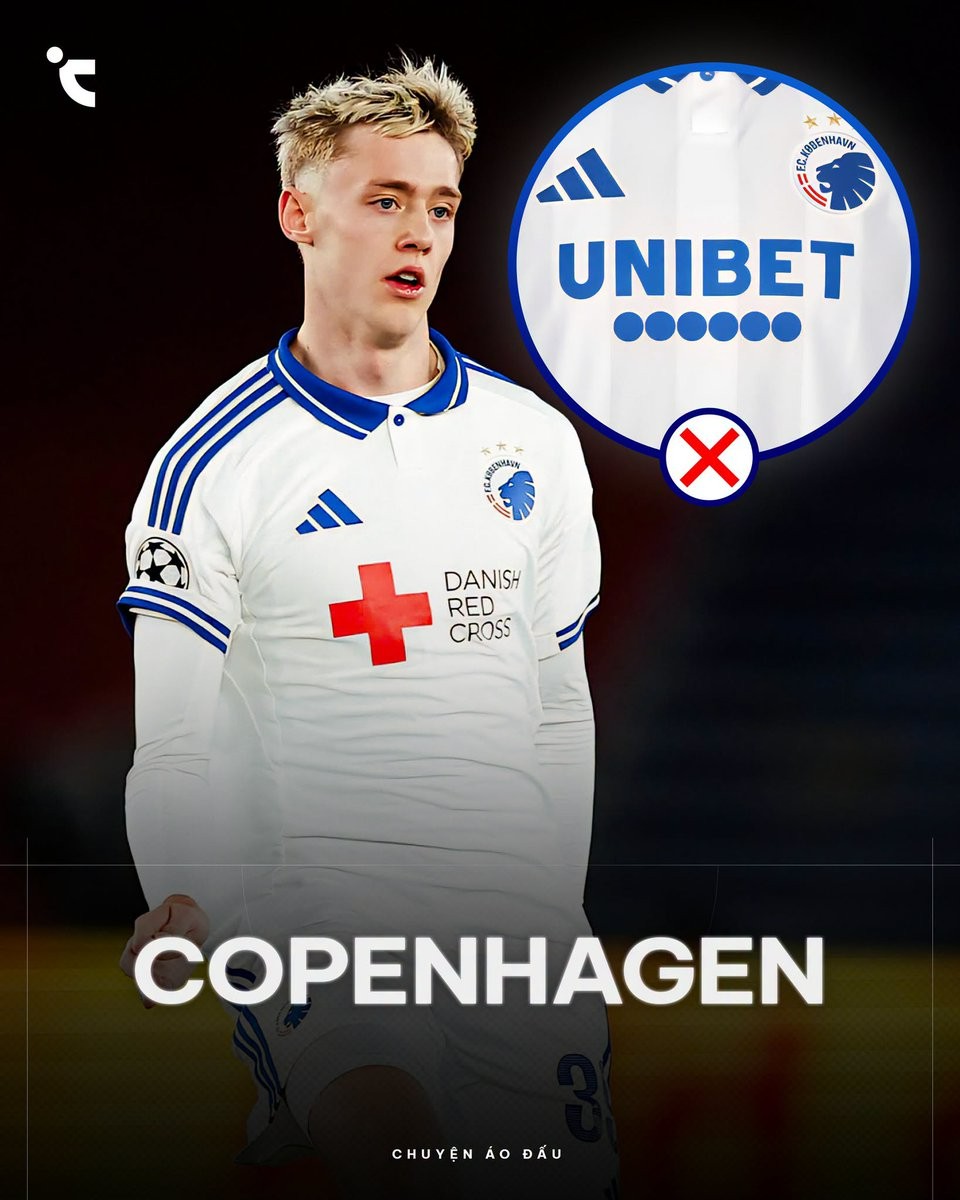
Rather than leaving the chest completely blank, several clubs choose to use these matches for charitable causes or secondary sponsors. FC Copenhagen notably replaced Unibet with the Danish Red Cross, while Celtic routinely substitute long-term sponsor Dafabet with the Celtic FC Foundation whenever they travel to nations like Italy or Spain. Aston Villa similarly replaced Betano with financial app Acorns for trips to Switzerland. As advertising regulations across Europe continue to tighten, these temporary kit makeovers remain a regular and fascinating feature of continental football.
Why Football Teams Are Forced to Remove Kit Sponsors in UEFA Competitions
Every season across the UEFA Champions League, Europa League, and Conference League, eagle-eyed supporters notice clubs taking to the pitch in sponsorless shirts or sporting unexpected charity logos. While UEFA's own kit equipment regulations do not place an outright ban on gambling or betting partnerships, Article 44 explicitly requires participating clubs to comply with the local legislation of the match-hosting nation. When a team travels to a country with strict bans on sports betting and gambling promotion, their regular commercial sponsors cannot appear.
This dynamic has created some iconic European kit moments over the decades. In the late 2000s and early 2010s, both AC Milan and Real Madrid frequently had to strip the bwin logo from their jerseys when playing away in countries like France and Switzerland due to local gambling restrictions. In recent years, Spain's Royal Decree 958/2020 banned betting advertising in sport, forcing teams like Inter Milan to drop Betsson.sport and VfB Stuttgart to wipe Winamax from their chests during visits to Spanish grounds.
Rather than leaving the chest completely blank, several clubs choose to use these matches for charitable causes or secondary sponsors. FC Copenhagen notably replaced Unibet with the Danish Red Cross, while Celtic routinely substitute long-term sponsor Dafabet with the Celtic FC Foundation whenever they travel to nations like Italy or Spain. Aston Villa similarly replaced Betano with financial app Acorns for trips to Switzerland. As advertising regulations across Europe continue to tighten, these temporary kit makeovers remain a regular and fascinating feature of continental football.
Manchester United Force to Modify Third Kit Sponsor for Champions League
Facing off against Como 1907, Manchester United took the pitch in their third kit, featuring a noticeable twist on the front-of-shirt sponsor logo.
The Red Devils were required to add the "Snapdragon" wordmark beneath the signature fireball emblem. This change comes down to strict UEFA Equipment Regulations, which mandate that main front-of-shirt sponsor branding must remain consistent across all registered match kits (home, away, and third).
Big thanks to @whatthekit_x for the comparison graphic.
Standout 26-27 UEFA Champions League Shirt Fonts Highlighted
Football design account Paladar Negro has shared an eye-catching visual compilation showcasing some of the most striking squad number and name fonts featured across the 26-27 UEFA Champions League. While major domestic leagues like the Premier League, La Liga, and Ligue 1 enforce standardized typefaces, UEFA competitions give clubs the freedom to deploy bespoke cup fonts that elevate the overall identity of their kits.
The selection highlights nine distinctive shirt backs from around the continent, showcasing a great variety of design philosophies. Notable inclusions feature Ermedin Demirović's bold, shadowed number 9 on VfB Stuttgart's home shirt, Bradley Barcola's flowing red lettering, and Lamine Yamal sporting the legendary number 10 for FC Barcelona in metallic gold. Also showcased are Ousmane Dembélé's clean Paris Saint-Germain print, Marcus Rashford's number 9 on Manchester United's alternate strip, and Samu Aghehowa's vivid typography.
Particularly eye-catching are the retro-inspired creations, such as Santiago Mouriño's dynamic font on Villarreal's signature yellow jersey and the heavily beveled 3D block numbers sported by Johan Manzambi on Aston Villa's claret kit. These custom lettering styles show how much thoughtful typography can enhance kit design under the European lights.
Which 26-27 Champions League typeface is your favorite? Let us know in the comments below.