

Nike Supplies Only 5 Teams Across All 92 English Clubs for 26-27 Season
- Nike's Drastically Reduced Presence: For the 26-27 season, Nike will supply kits for only five out of 92 English professional football clubs, including just three Premier League teams and two EFL clubs, marking a significant decrease in its market share.
- Market Domination by Rivals: In contrast to Nike's reduced presence, Puma leads the kit supplier rankings with 16 clubs, followed by Adidas with 14 and Macron with 13, indicating a highly competitive and fragmented market.
- Strategic Business Pivot: Nike's sharp decrease in club count is a deliberate strategy to focus financial backing on elite global super-clubs, major national federations, and high-profile individual athletes, rather than maintaining a widespread portfolio across lower divisions.
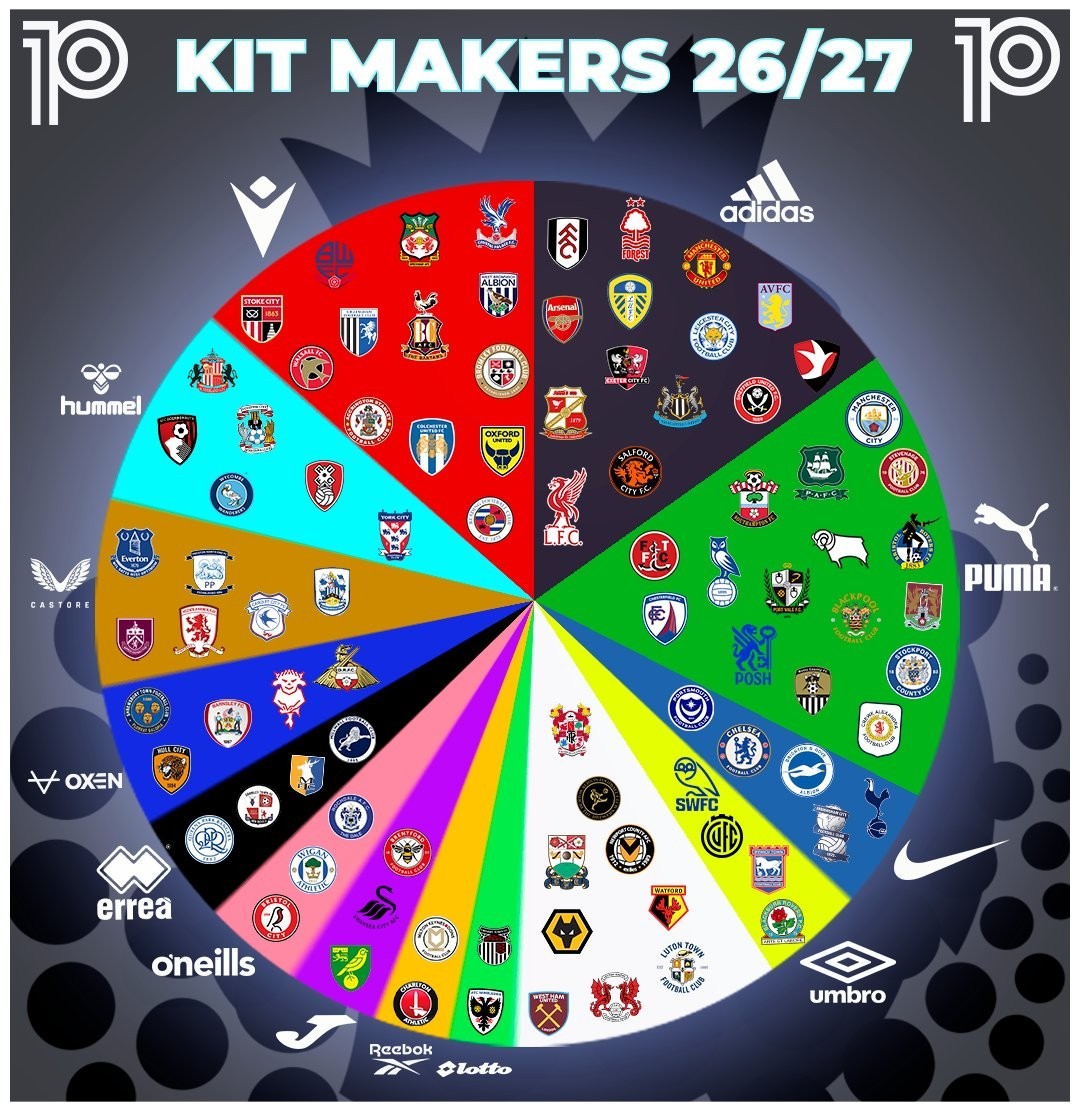
A striking breakdown of kit manufacturers for the 92 English professional clubs ahead of the 26-27 season has highlighted Nike's drastically reduced presence in the country's football pyramid. The American brand will supply kits for just five teams across the Premier League and English Football League combined. The graphic, compiled by Playmaker, has sparked widespread discussion among kit enthusiasts regarding Nike's changing strategy in the football apparel market. Big thanks to @playmaker_EN.
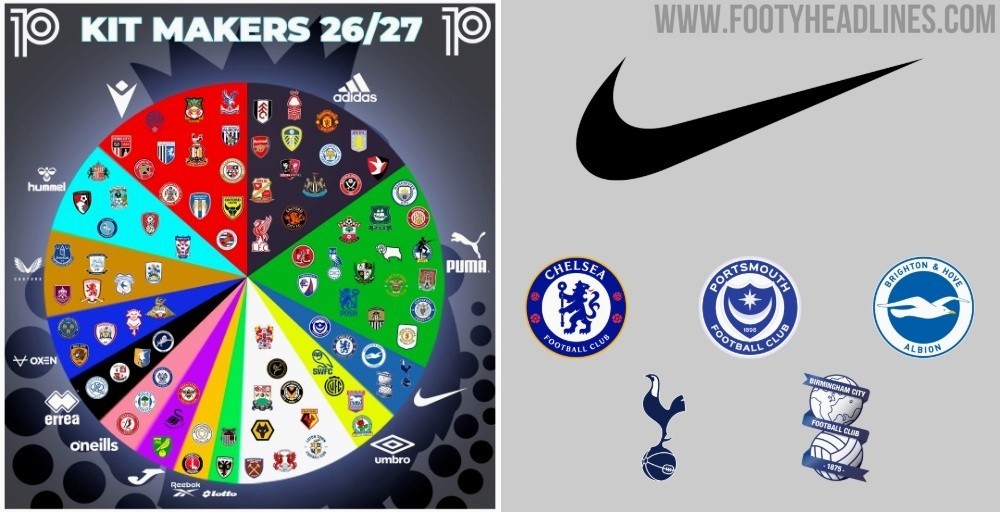
Nike Supplies Only 5 Teams Across All 92 English Clubs for 26-27 Season
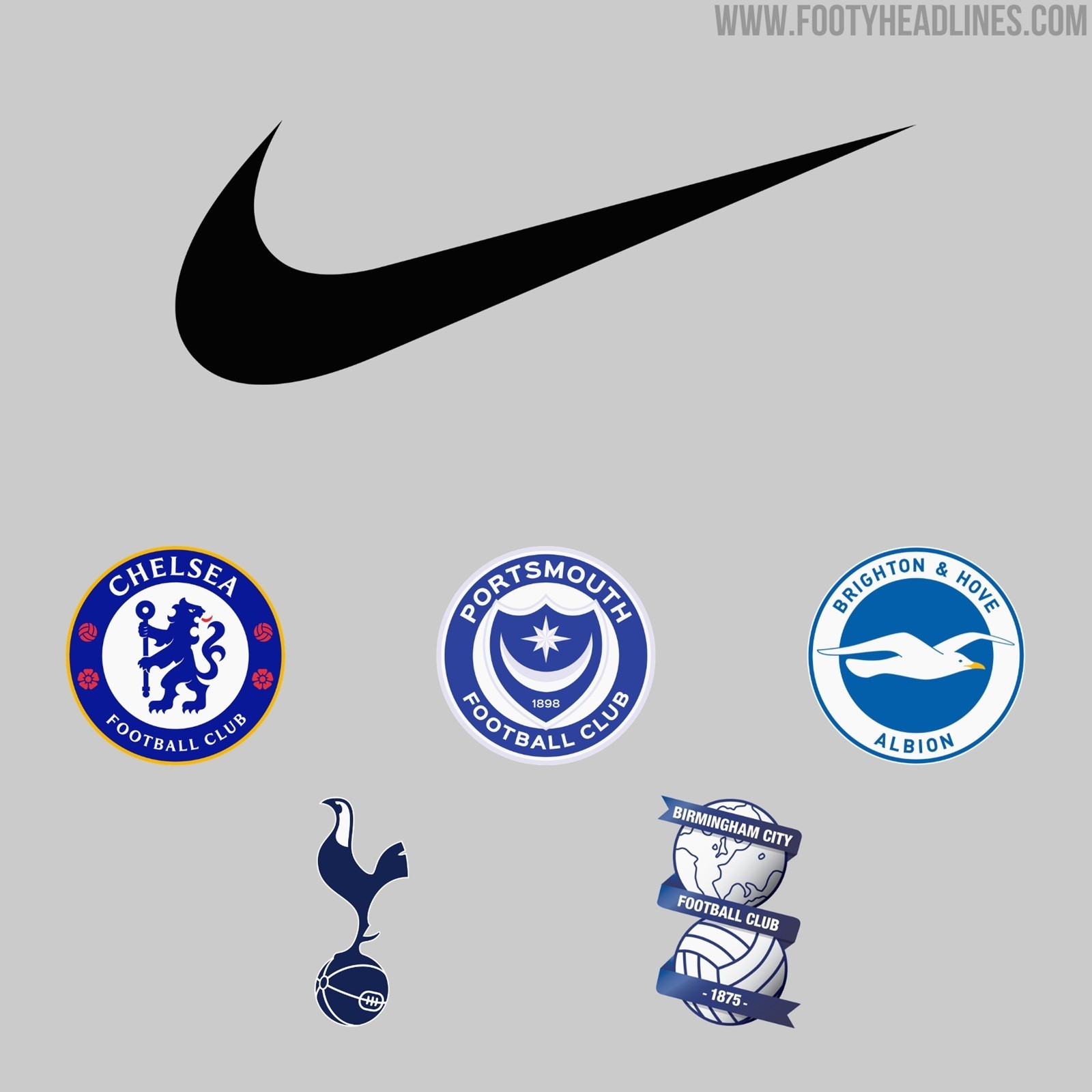
Out of the 92 clubs across England's top four divisions, Nike's roster now comprises just three Premier League sides, Chelsea, Tottenham Hotspur, and Brighton & Hove Albion, alongside only two clubs in the EFL.
In stark contrast, Puma leads the 26-27 rankings with 16 clubs, followed closely by Adidas with 14 and Macron with 13. Even mid-tier suppliers like Errea with 8 teams, alongside Hummel and Castore with 6 each, match or surpass Nike's volume in English football.
- 16: PUMA
- 14: Adidas
- 13: Macron
- 6: Castore, Hummel
- 5: Nike, Oxen
- 4: Umbro, Errea
- 3: Joma, O'Neills
- 2: Lotto, Reebok
- 1: Admiral Sports, Capelli, Sudu, Meyba, New Balance, Kelme, Mills, Reflo, VX3
This low figure marks a significant shift from previous eras when Nike and Adidas controlled a vast portion of the supply market in England. The sharp decrease in Nike's club count is seen as a deliberate strategic pivot.
Rather than maintaining a widespread portfolio across lower divisions, Nike has increasingly focused its financial backing on elite global super-clubs, major national federations, and high-profile individual athlete endorsements, allowing standard club contracts to expire without seeking renewals.
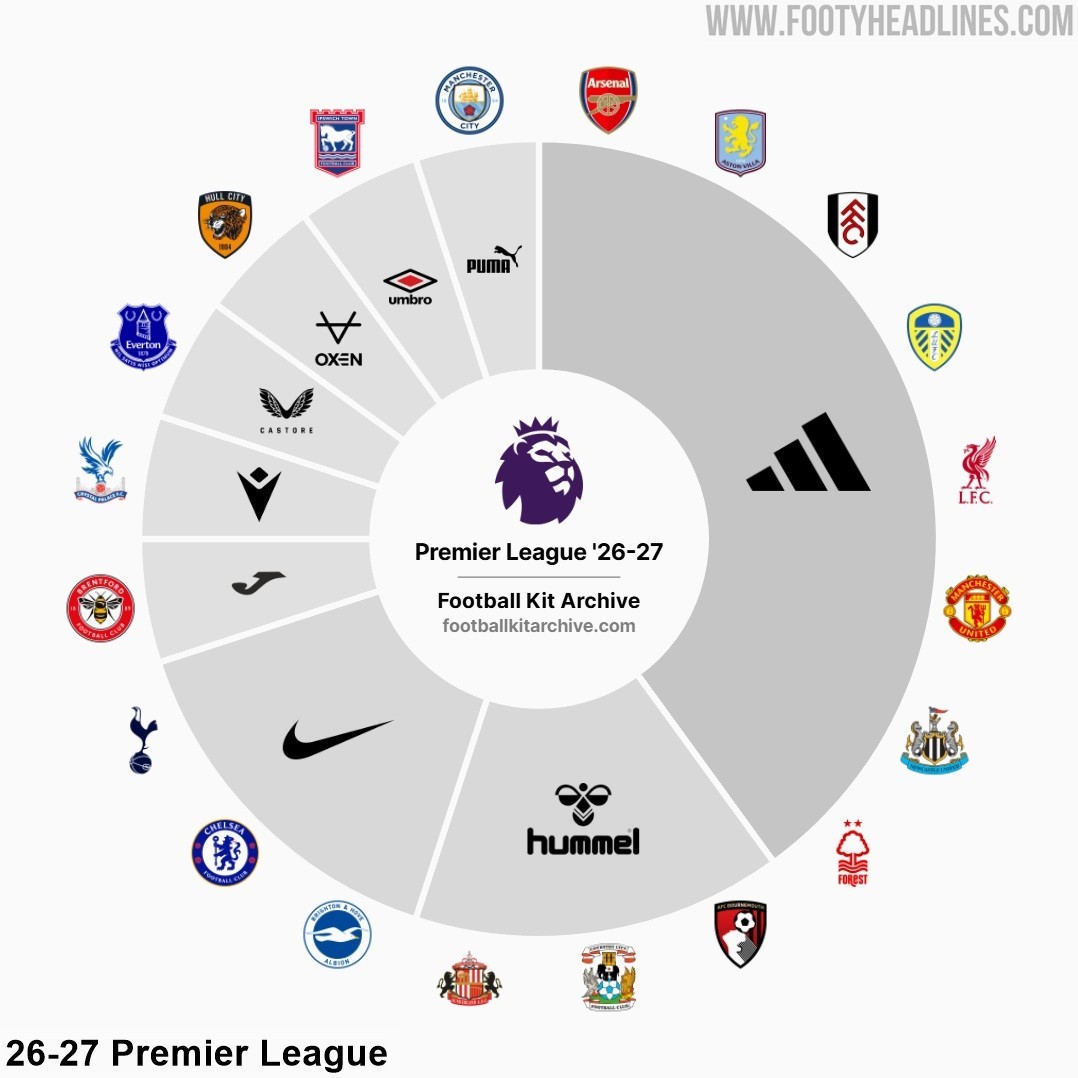
As Nike scales back its broader football footprint, rival kit manufacturers have quickly seized the opportunity to expand. Brands like Puma and Macron have built strong footholds across the Football League, while challenger brands offer bespoke designs and attractive commercial terms that appeal to clubs outside the global elite. Consequently, the reliance on generic templates for smaller clubs has opened the door for alternative brands to gain valuable visibility.
Although Nike continues to hold lucrative long-term partnerships with marquee names globally, its presence on English touchlines during the 26-27 campaign is at an all-time low. The distribution of kit makers across the 92 English clubs demonstrates that the football shirt market is far more fragmented and competitive than ever, with Nike content to maintain a tight, highly curated selection of teams.