Brazil Already Wore Red Kit More Than 100 Years Ago - Return for 2026 World Cup
 Apr 29, 2025, by Phan Tich Giay

- Historical Red Kit: Brazil's national team wore red kits in official matches between 1917 and 1919, including the 1917 South American Championship.
- Cultural Significance of Red: The color red is deeply rooted in Brazil's national identity, as the country's name comes from "Pau-Brasil," a tree known for its red dye.
- Potential 2026 Away Kit: The rumored 2026 World Cup away kit for Brazil is expected to be red and made by Jordan, a departure from the traditional blue and Nike branding.
A surprising historical twist could add powerful symbolism to Brazil’s 2026 World Cup campaign, as the rumored red Jordan away kit, though shocking at first glance, has deep historical and cultural roots. Thanks to @DataFutebol for the heads-up.


Brazil Already Wore Red Kit More Than 100 Years Ago
Between 1917 and 1919, the Brazil national team actually wore red in official matches, including during the 1917 South American Championship (now known as Copa América). This long-forgotten era is now being revisited over a century later.

Even more significantly, the color red is deeply connected to Brazil’s national identity. The country’s name originates from "Pau-Brasil" - a native tree famous for its rich red dye, which was highly prized by Portuguese colonizers. In that sense, “Brazil” literally means “red” in the historical context.


While the red Brazil 2026 kit has not yet been leaked, it is expected to feature the Jordan logo - marking a break from tradition not only in color but also in manufacturer branding, as Nike's Jordan subsidiary takes charge.

Will Brazil’s return to red bring back forgotten pride and a new sense of identity on the global stage? Or will it spark further outrage by replacing the traditionally beloved blue away color?


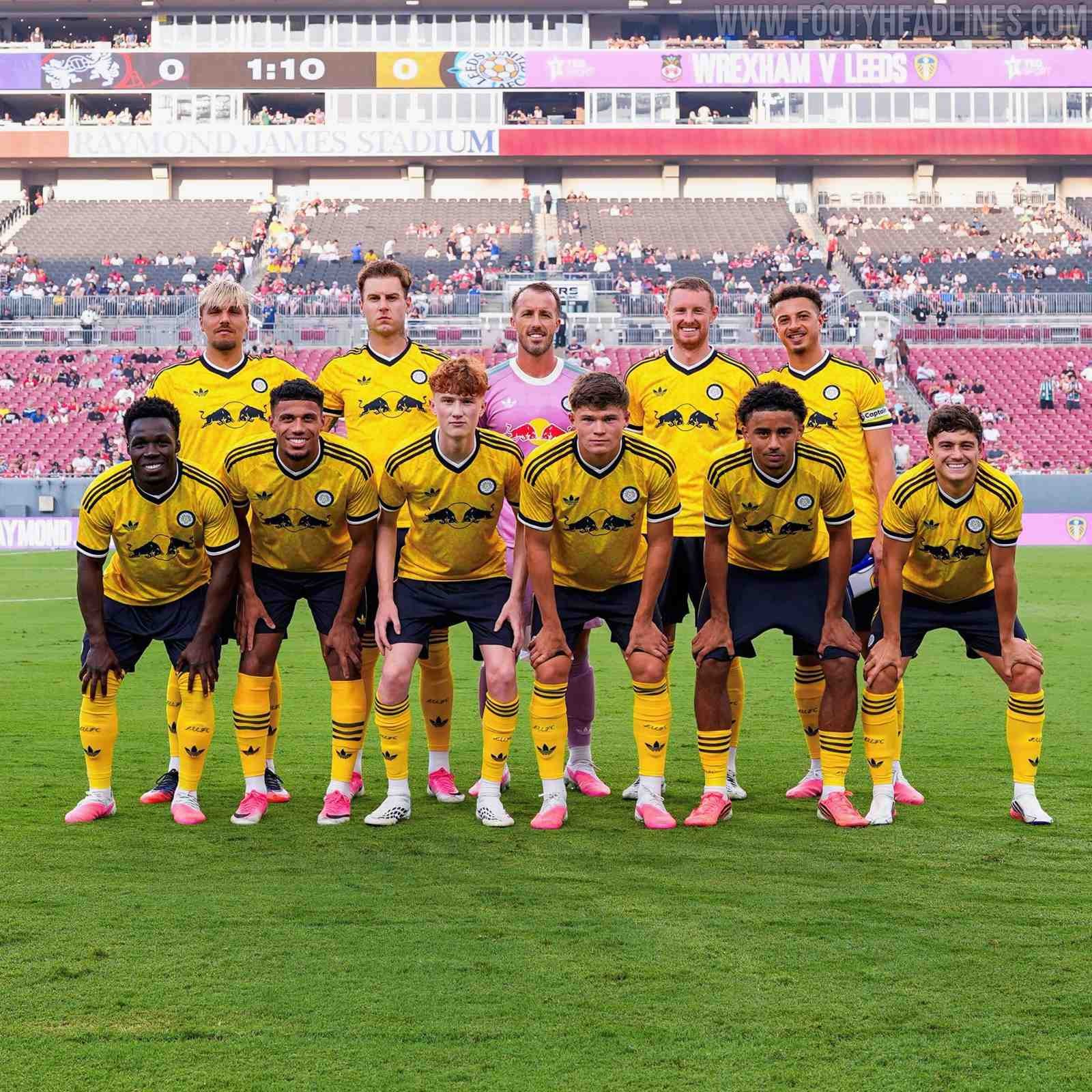

Leeds United 26-27 Away Kit - On-Pitch Debut
Yesterday, Leeds United debuted their new 2026-27 away kit in a pre-season friendly against Wrexham. It delivered a striking and eye-catching look on the pitch.


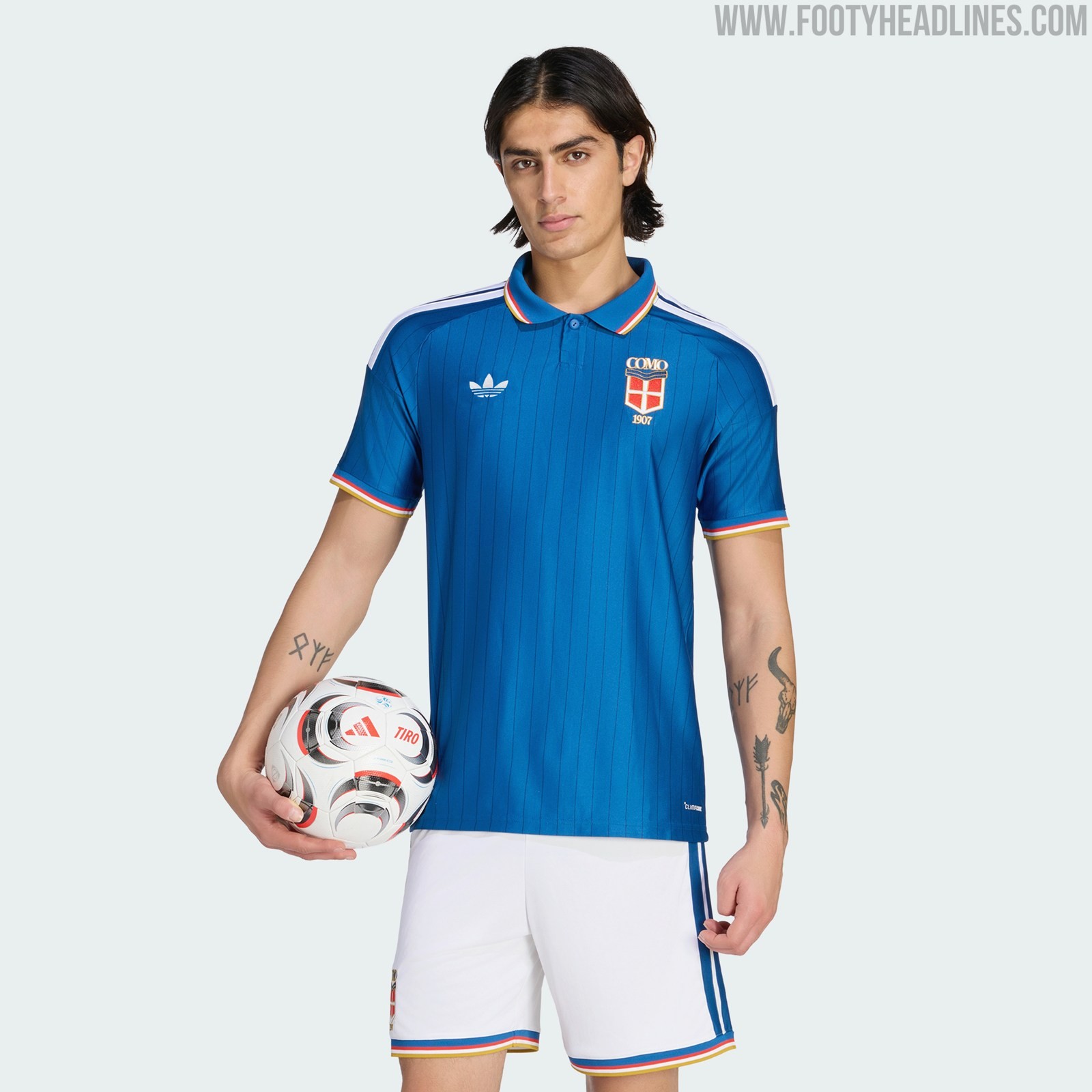
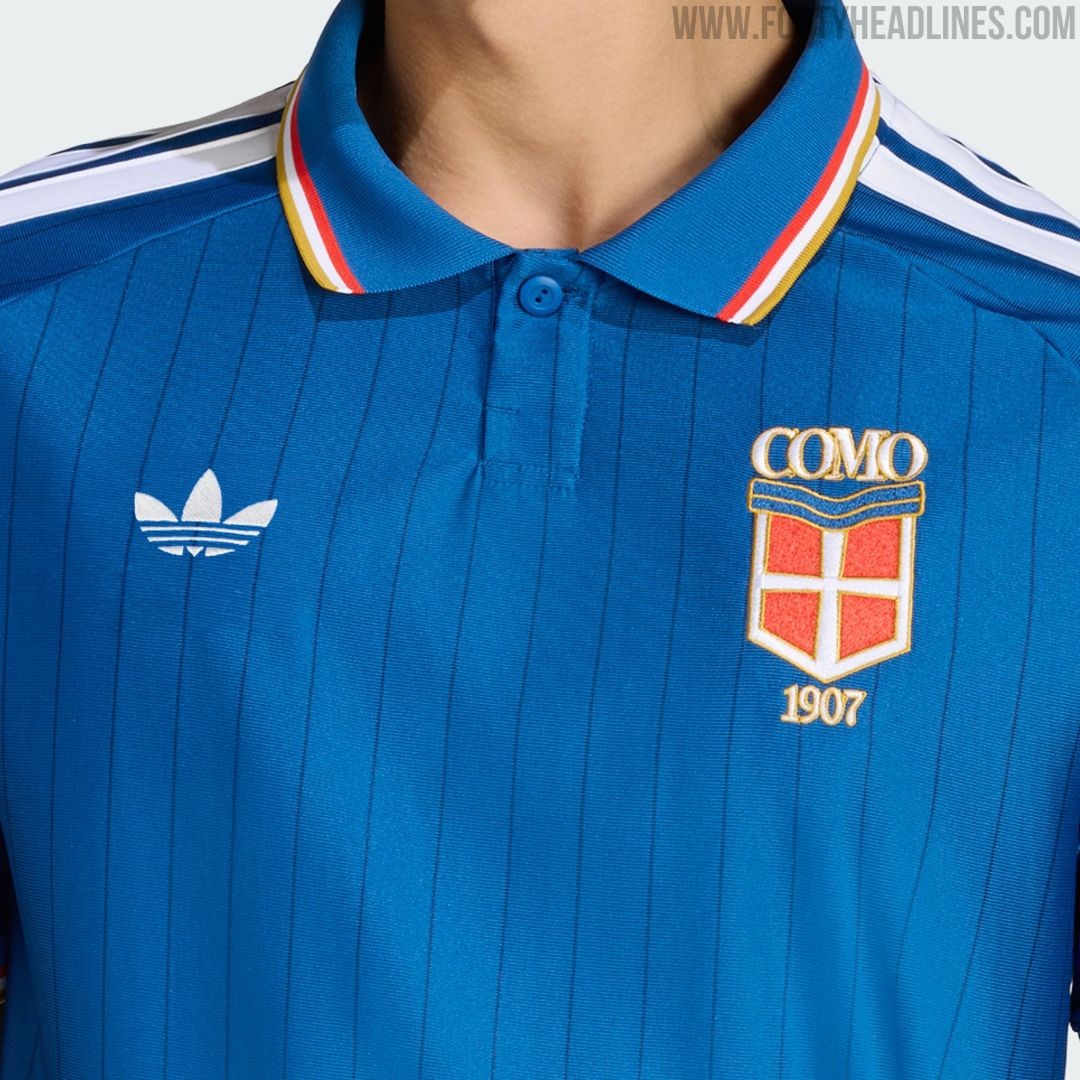
Como 26-27 Home Kit With Trefoil
The Trefoil is not coming on home kits at least until 2028, but the Como 26-27 home kit would have deserved it.
Como 26-27 Home Kit Revealed



Gil Vicente 26-27 Third Kit Released
Portuguese Primeira Liga side Gil Vicente FC has officially launched its new third kit for the 26-27 season. Crafted by Joma, the new shirt marks a notable shift in style for the club, bringing back a primary black base for the first time in 13 years.
The Gil Vicente 26-27 third jersey combines a textured black fabric with eye-catching pink details throughout. Vibrant pink accents trim the round collar, while all logos are rendered in the same bright pink hue.
Matching black shorts and socks with pink detailing complete the full 26-27 third kit set.
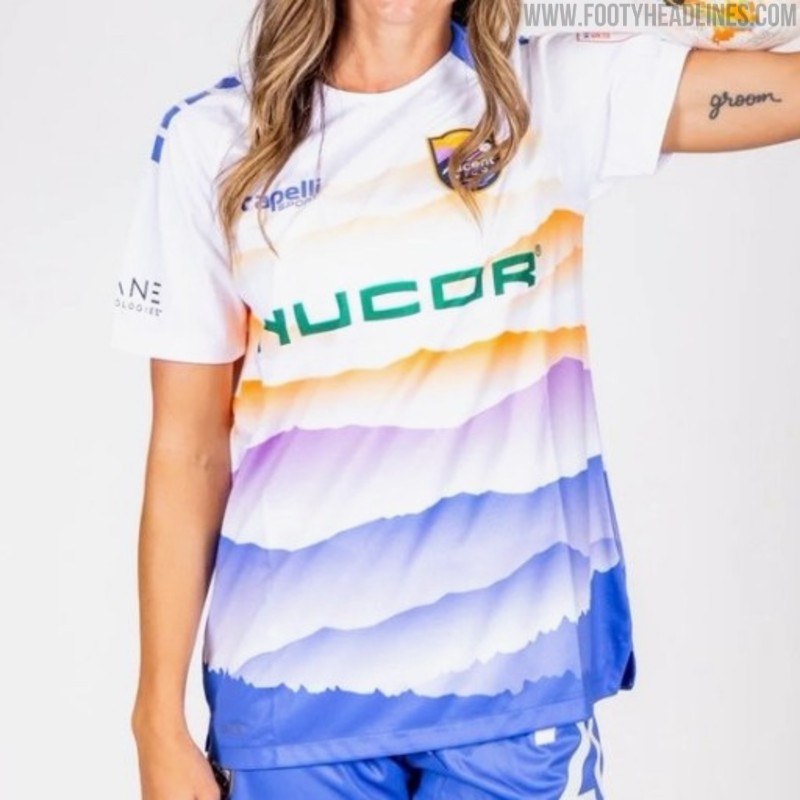
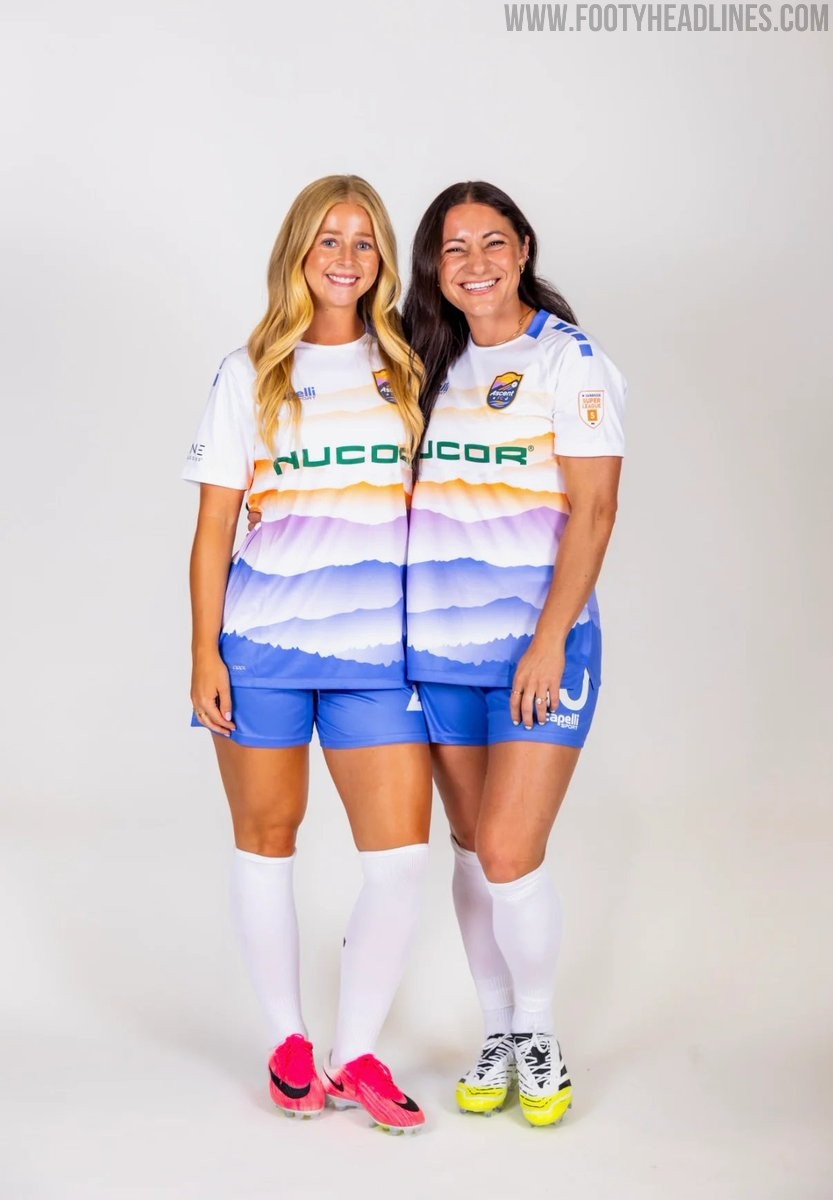
Carolina Ascent FC 26-27 Away Kit Released
USL Super League side Carolina Ascent FC and kit supplier Capelli Sport have officially revealed the club's new away uniform for the 26-27 season. Named the the Ridge kit, it features a bespoke design takes direct inspiration from the natural scenery and mountain landscapes of the Carolinas.
The 26-27 away kit has a striking graphic on a white base. The chest and lower front showcase layered mountain silhouettes rendered in gradient shades of orange, lavender, and deep blue, honoring the region's famous mountain ridges. Blue shorts and white socks complete the fresh away outfit.