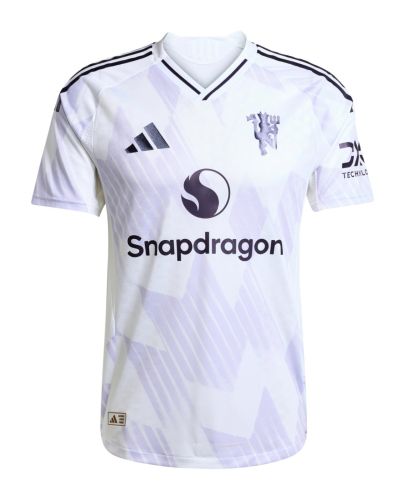
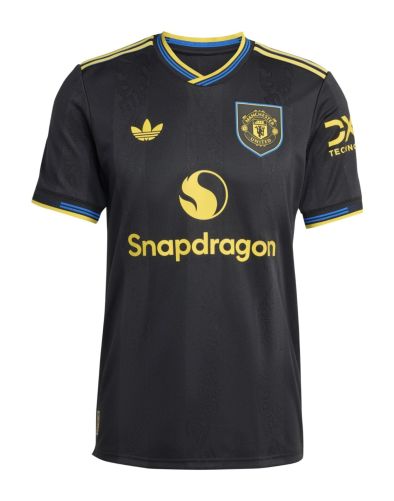
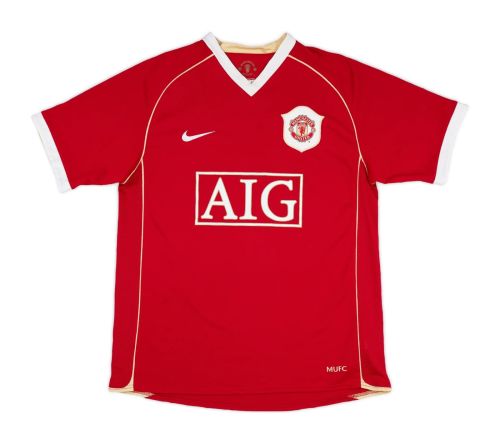
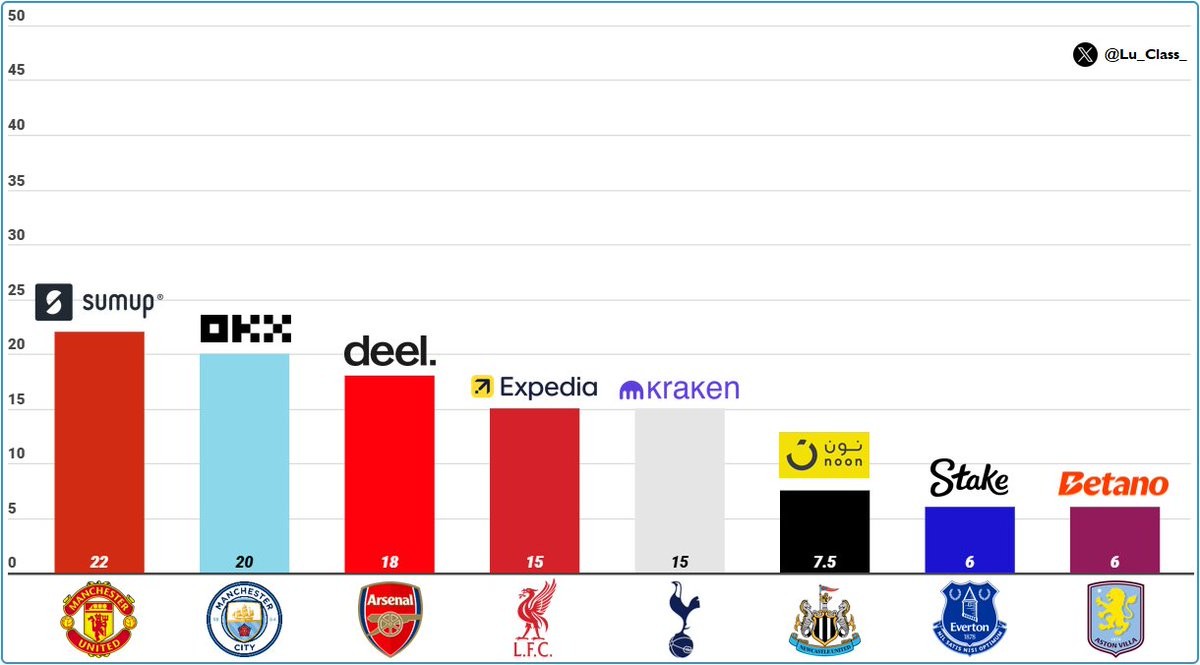
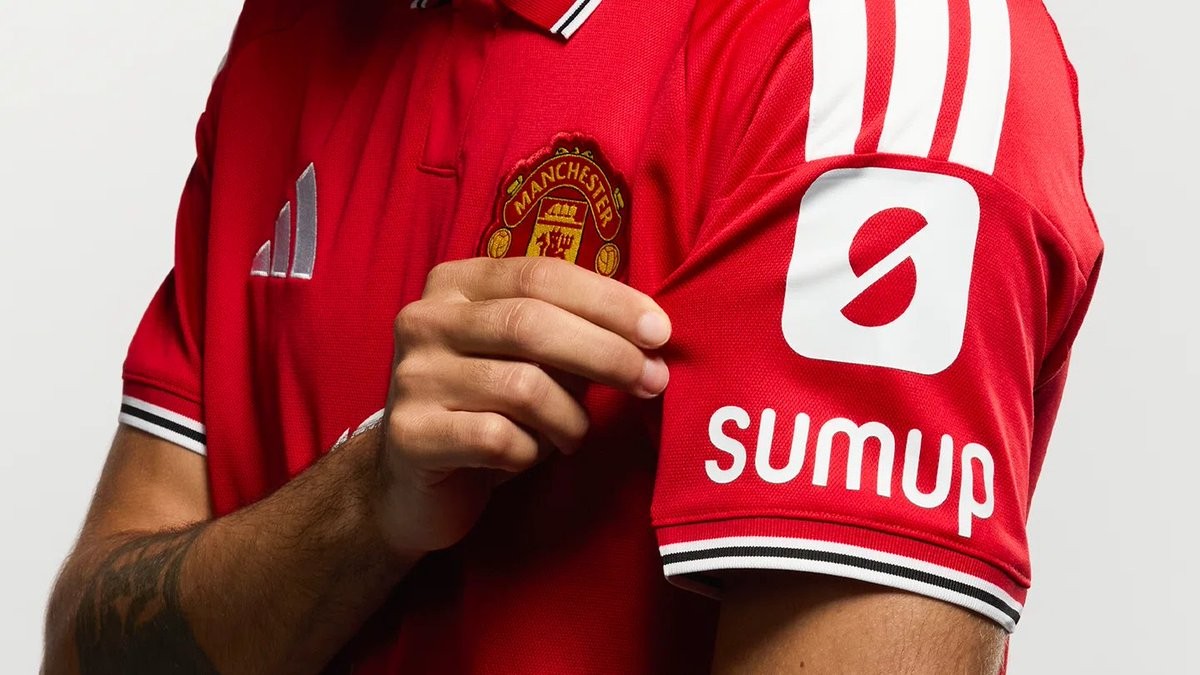
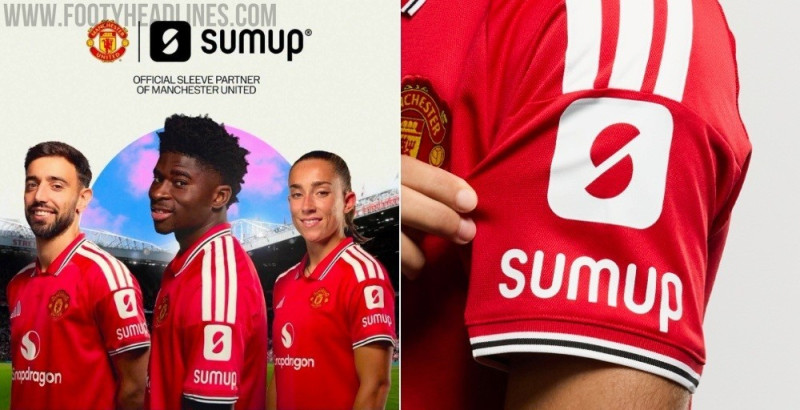
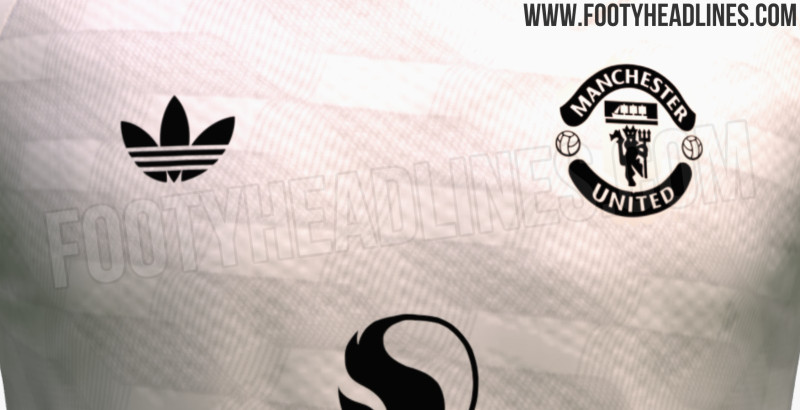
Manchester United have claimed the top spot in the Premier League sleeve sponsorship rankings for the 26-27 season following their multi-year agreement with global fintech firm SumUp. Worth a record-breaking £22 million per season, the partnership surpasses United's previous £20 million annual contract with DXC Technology. The SumUp branding will appear across the playing kits of the men's, women's, and academy sides in all competitions. Big thanks to @Lu_Class_.
The new agreement pushes Manchester United ahead of neighbors Manchester City, whose sleeve deal with cryptocurrency exchange OKX brings in £20 million per year. Arsenal follow closely in third place after securing an £18 million-a-year contract with payroll and HR platform Deel. Liverpool and Tottenham Hotspur both collect £15 million annually from their respective partnerships with Expedia and Kraken.
Further down the table, Newcastle United sit on £7.5 million per season with Noon, while Everton and Aston Villa generate £6 million annually from Stake and Betano. Chelsea remain the only notable high-profile side yet to announce a primary sleeve sponsor for the 26-27 campaign.
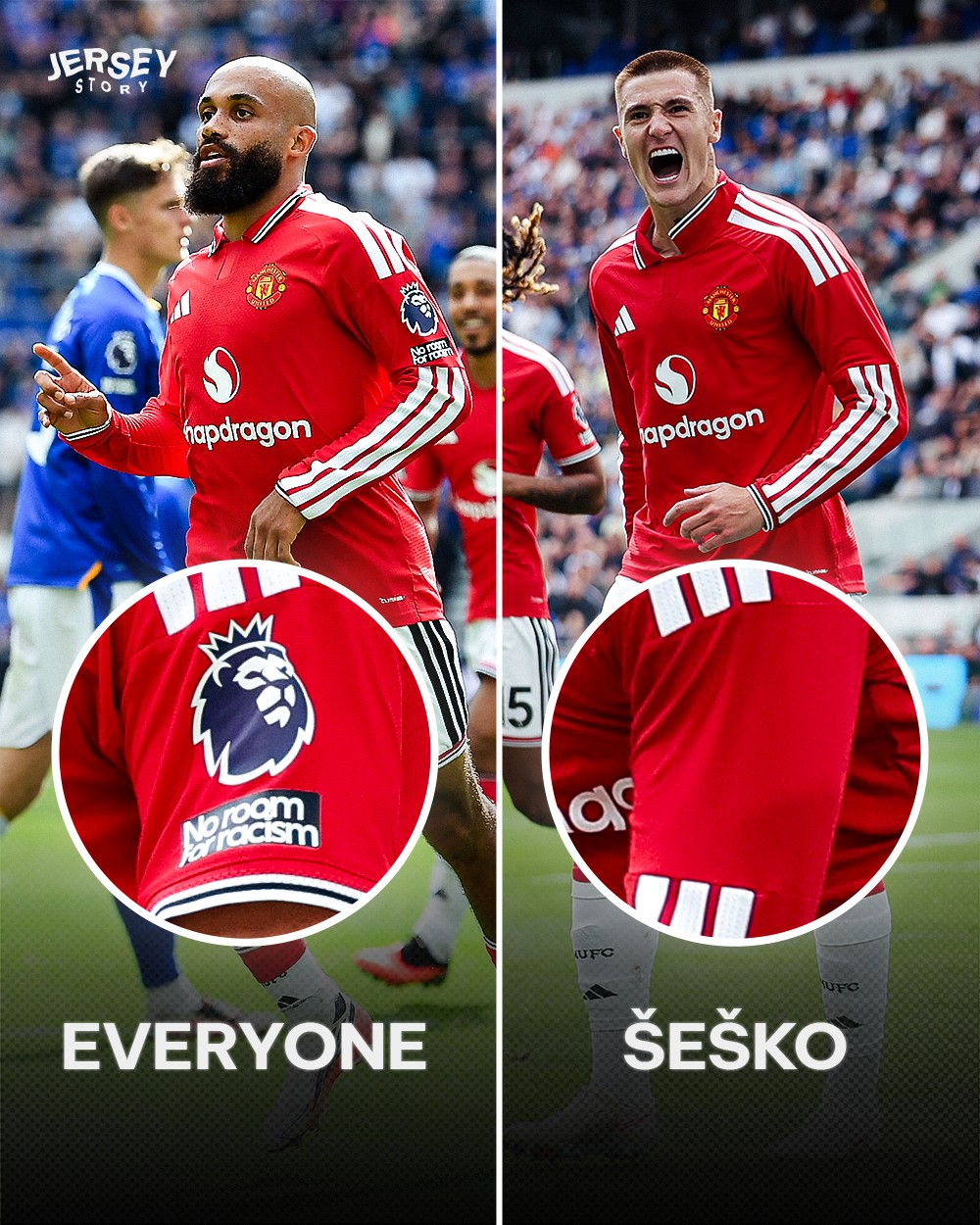
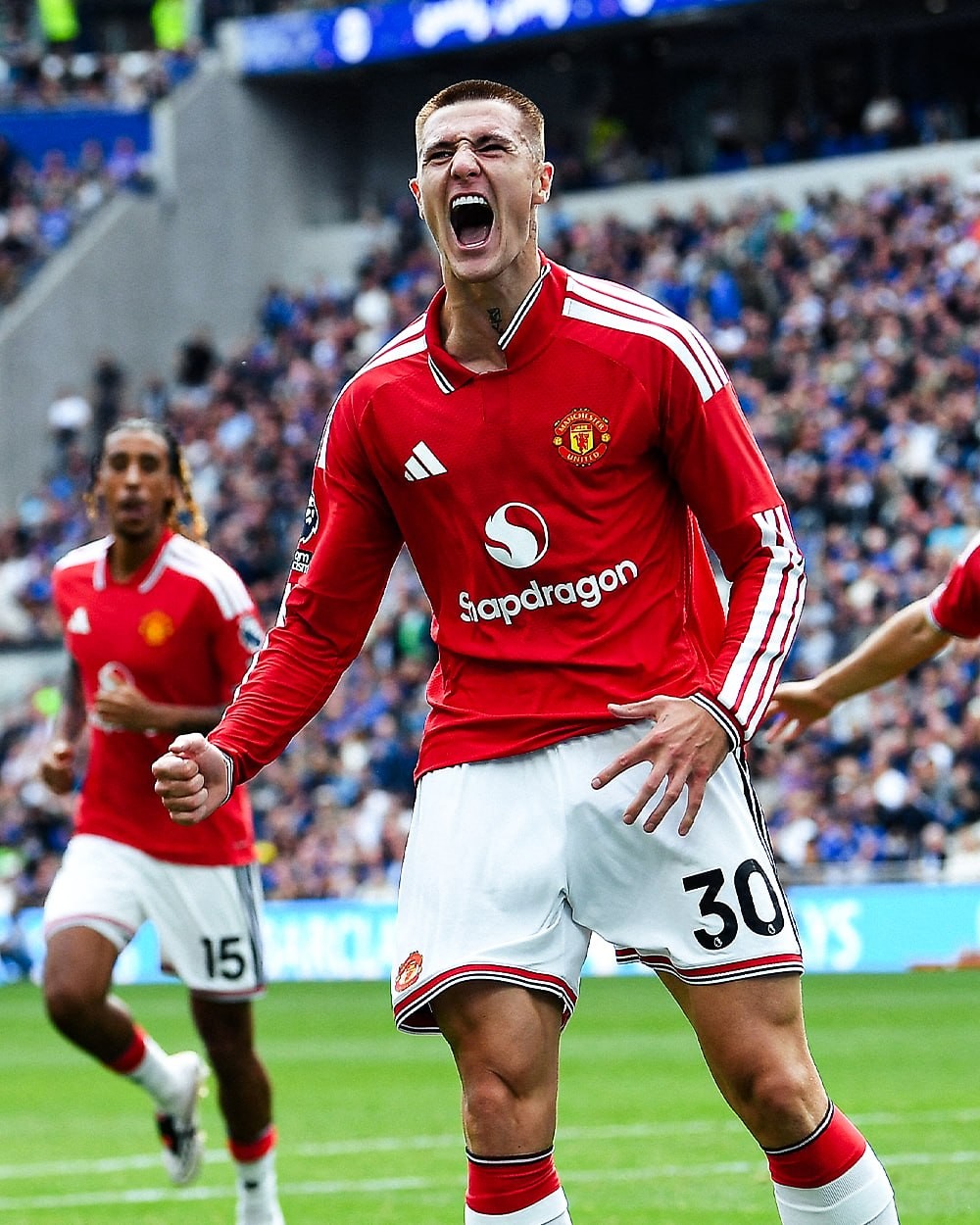
While all other Manchester United players took the pitch with league badges on both sleeves, Benjami...
While all other Manchester United players took the pitch with league badges on both sleeves, Benjamin Šeško was spotted as the only one missing the patch on his left arm for reasons unknown.
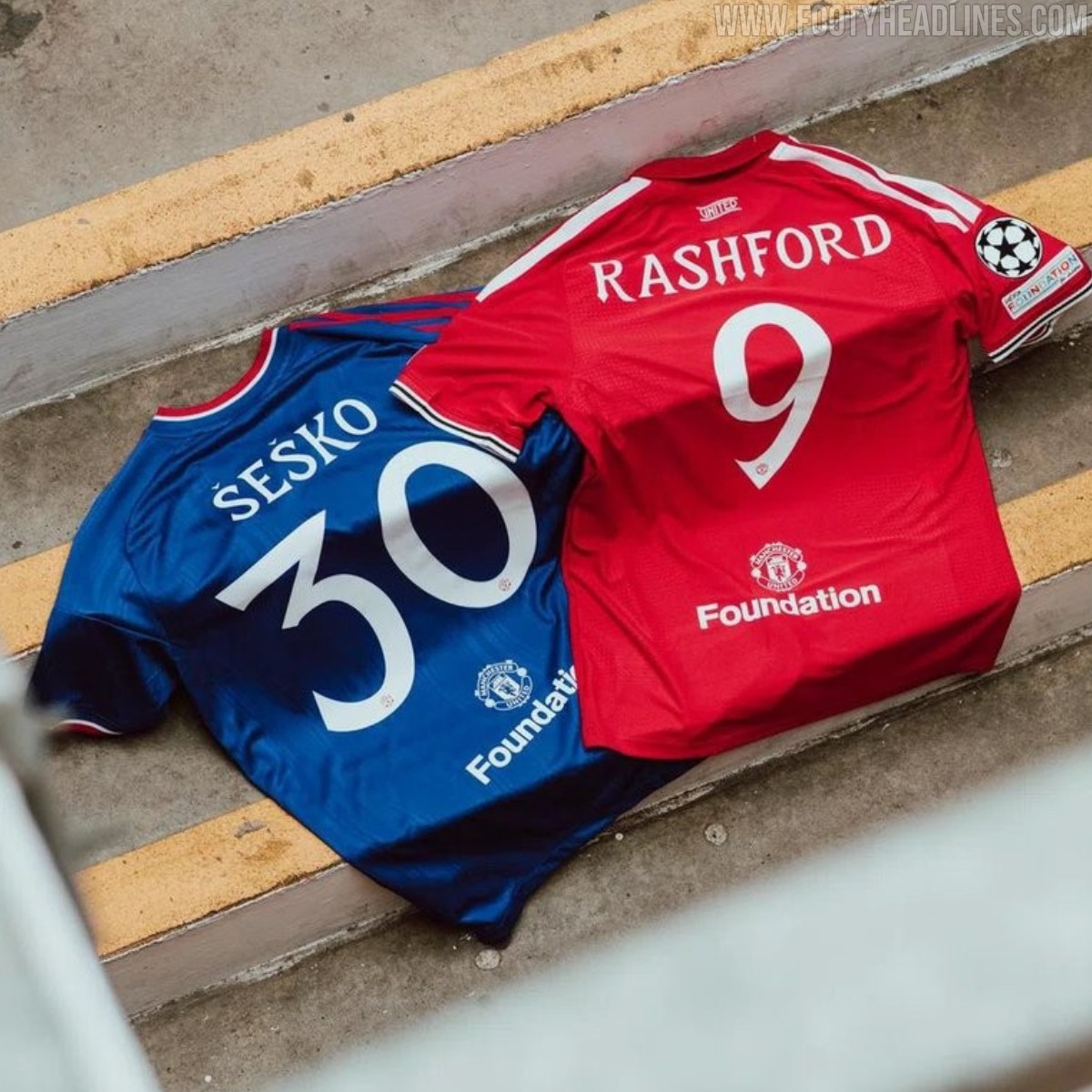
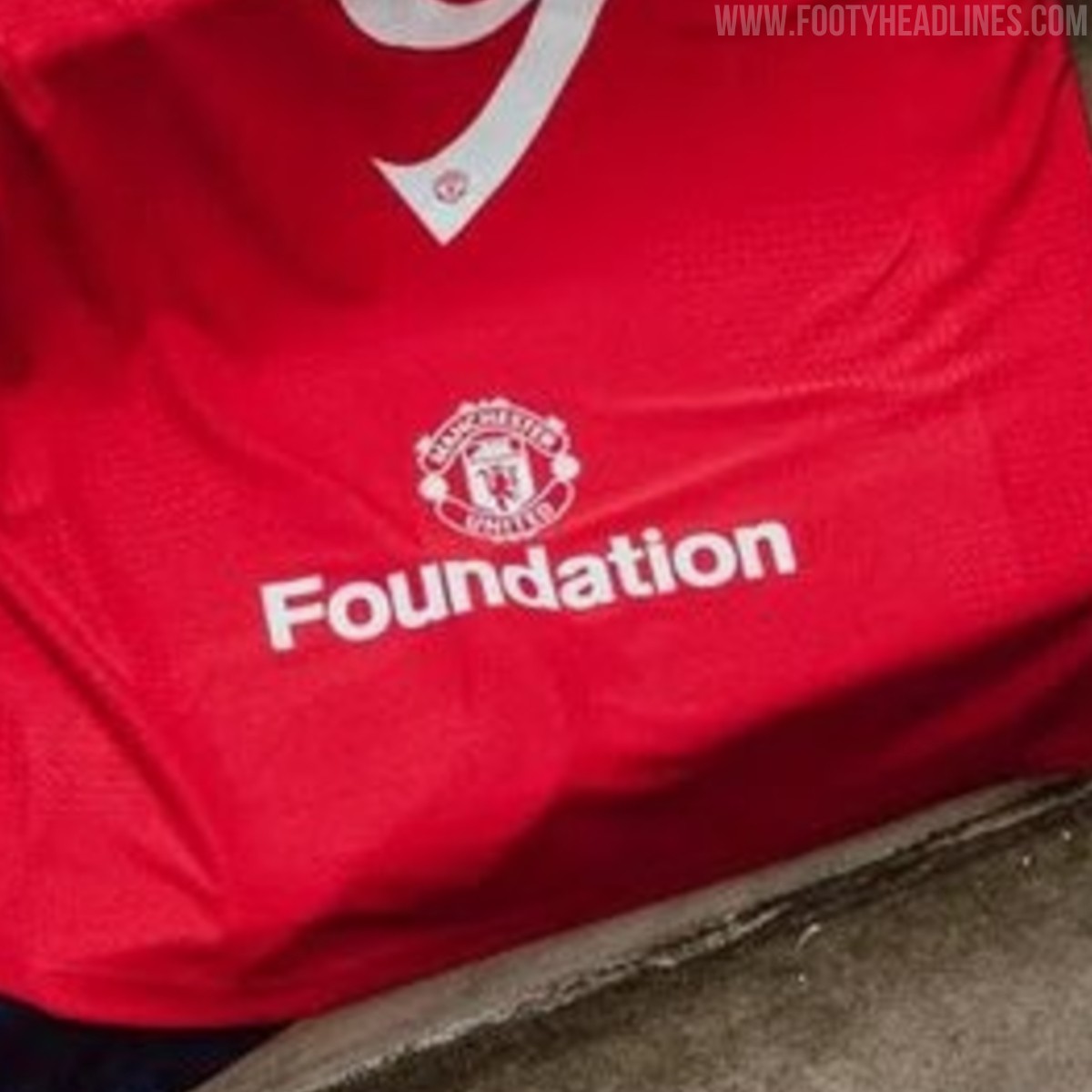
Manchester United have announced that the Manchester United Foundation logo will feature on the back...
Manchester United have announced that the Manchester United Foundation logo will feature on the back of their shirts throughout the 26-27 UEFA Champions League campaign, marking the first time the charity's branding has appeared on the club's European kits. Positioned on the lower back beneath the squad numbers, the logo is used across the home, away, and third kits in European competition and is also available for fans to add to replica shirts at the Old Trafford Megastore, with net proceeds directly supporting the Foundation's youth and community programmes across Greater Manchester.
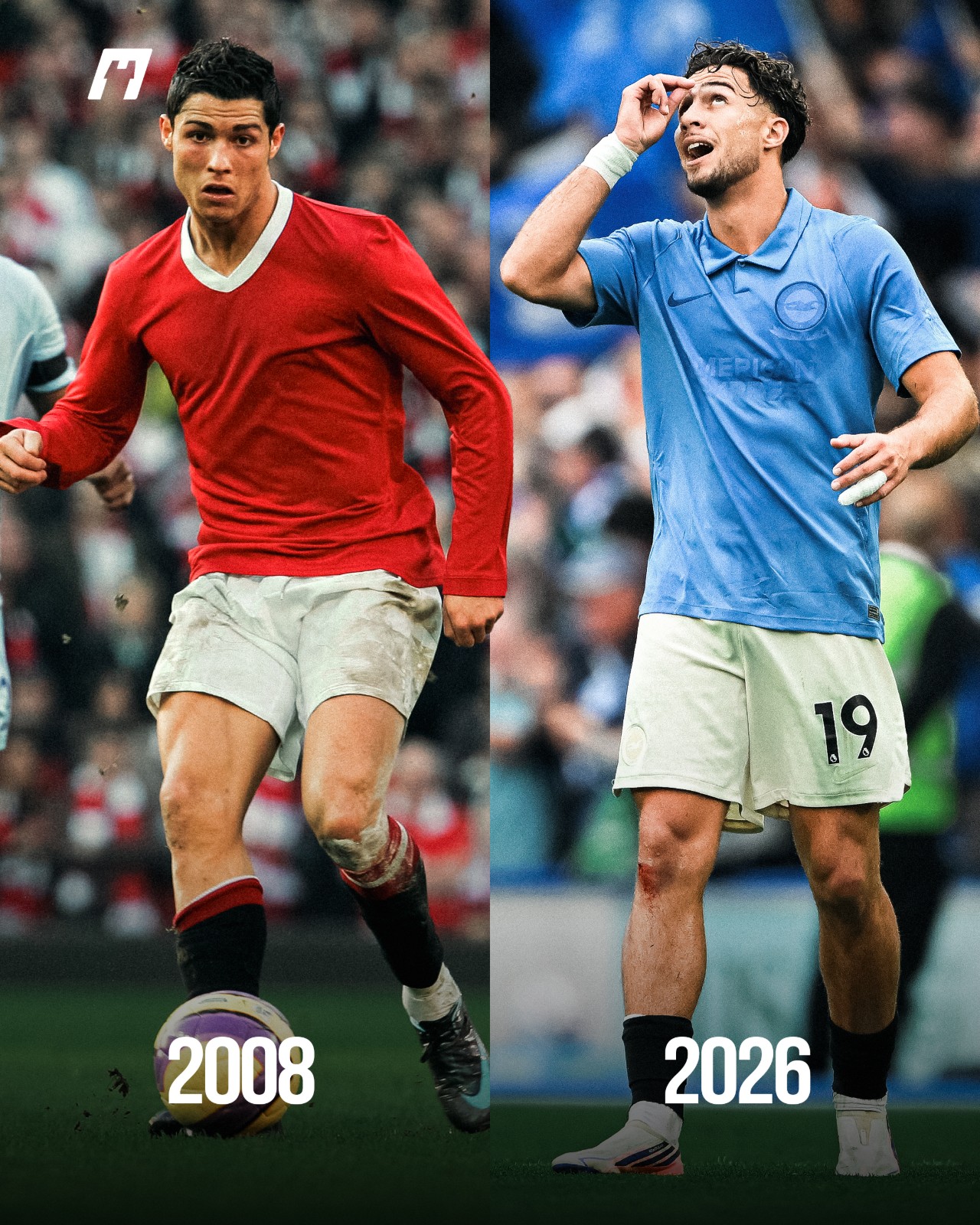
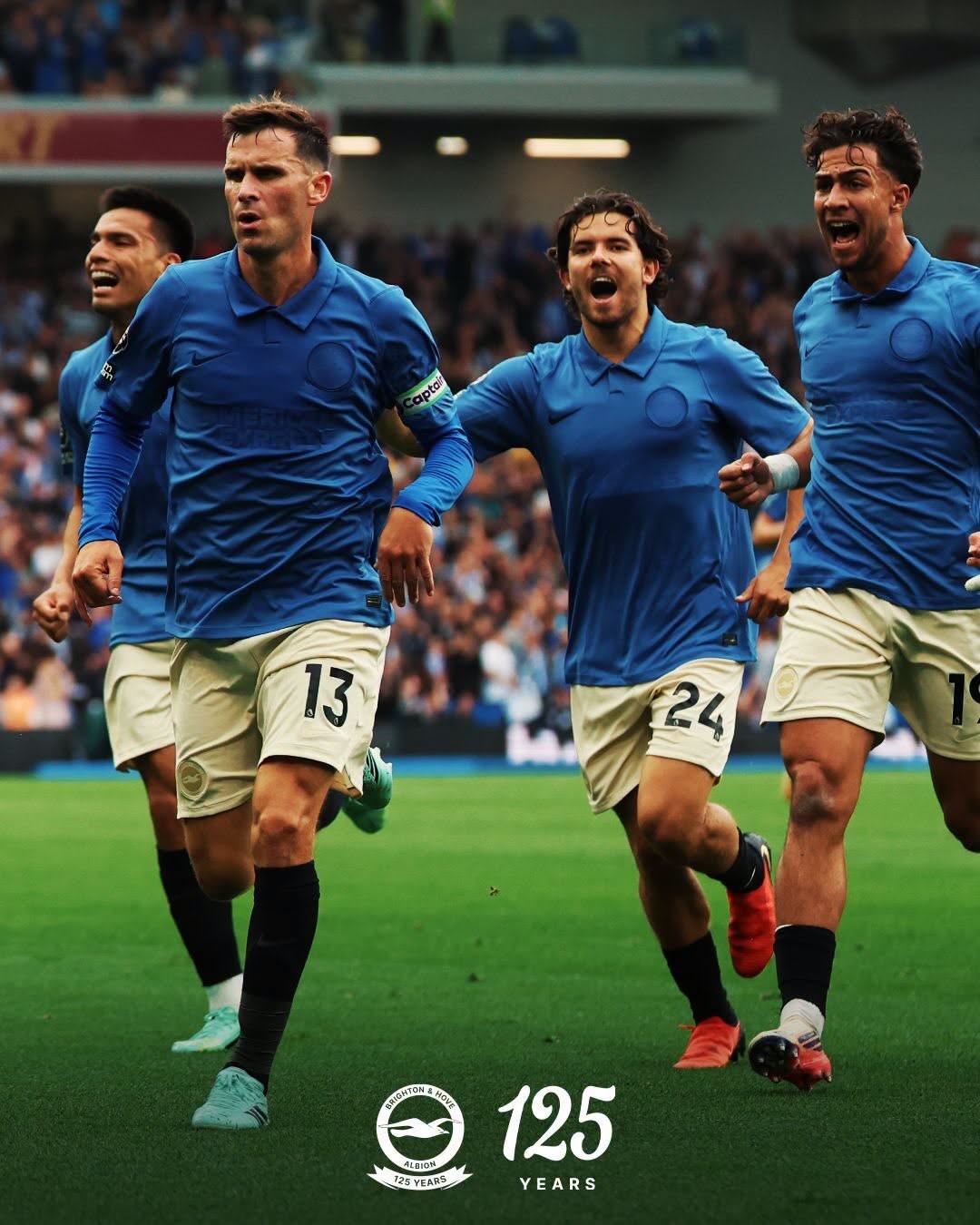
In their recent 3-0 victory over Arsenal, Brighton debuted a special 125th-anniversary kit, making t...
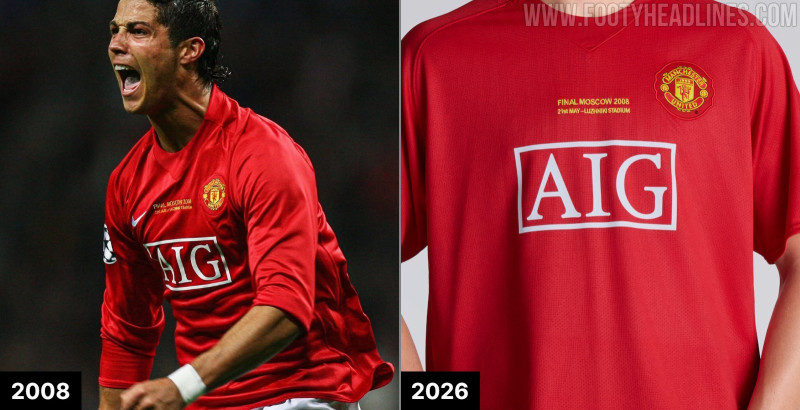
In their recent 3-0 victory over Arsenal, Brighton debuted a special 125th-anniversary kit, making them the first team since Manchester United in 2008 (who marked the 50th anniversary of the Munich air disaster) to wear a commemorative jersey in the Premier League.
Clause 13, Section M of the Premier League regulations strictly limits clubs to three registered kits per season, making special exemptions exceptionally rare.
Other kit exemptions over the years have been few and far between: Man City wore a one-off gold sponsor detail on the final day to celebrate their title triumph in the last match of the 20-21 season, while Newcastle had to turn a pre-match tee into an official match kit to fix an emergency kit clash against Brighton in 22-23.
Thanks to our partner @whatthekit_x for the interesting spotted and the collage.
Manchester United striker Matheus Cunha was spotted sporting an unusual kit detail during Sunday's M...
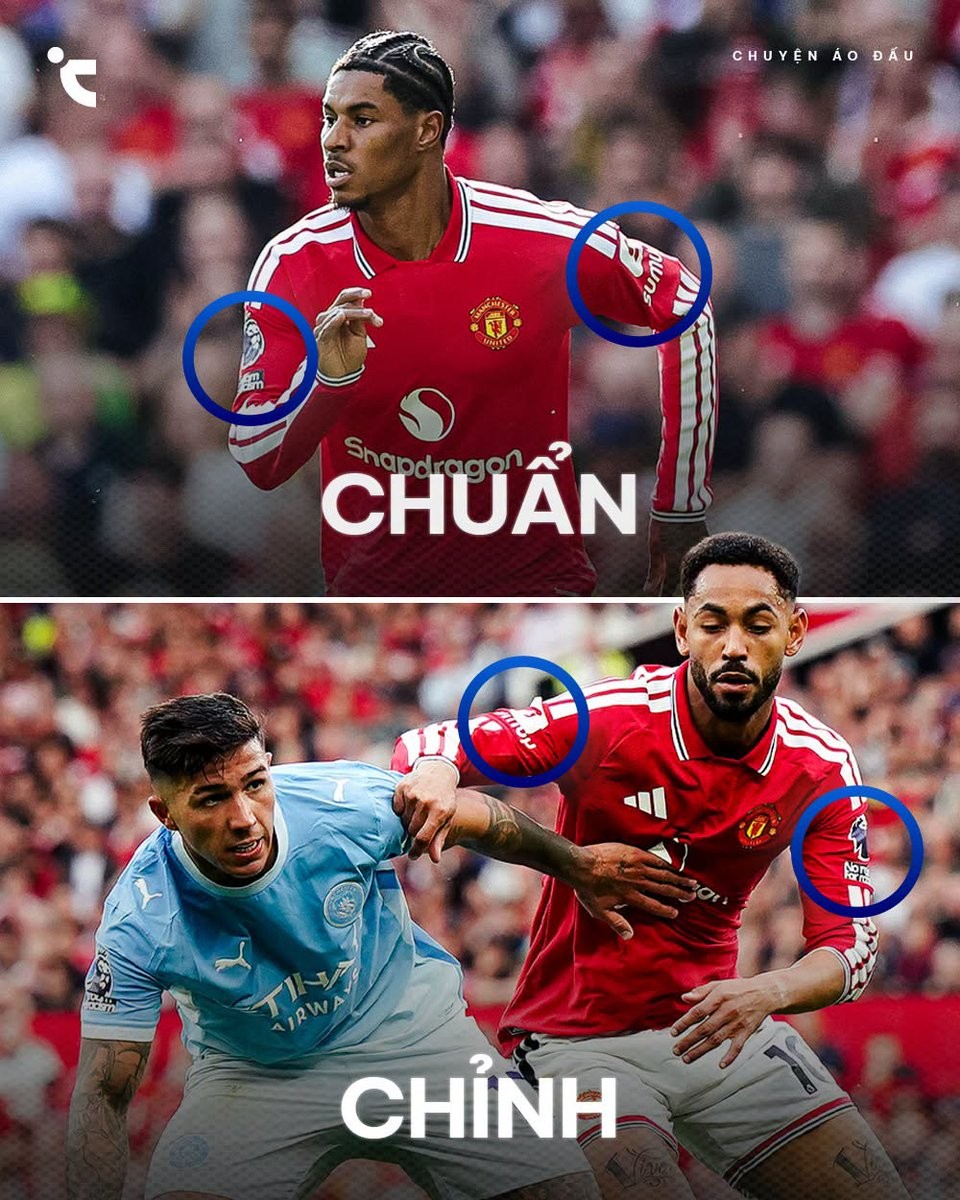
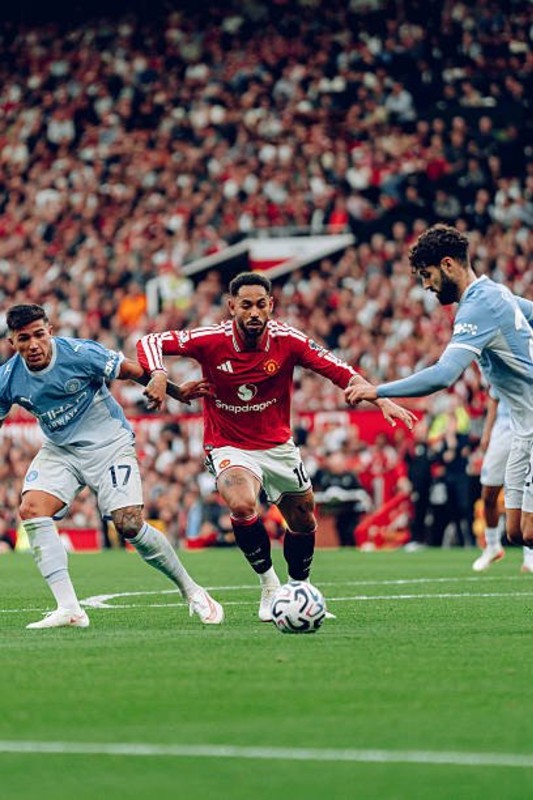
Manchester United striker Matheus Cunha was spotted sporting an unusual kit detail during Sunday's Manchester derby against Manchester City. Eagle-eyed kit enthusiasts quickly pointed out that the Brazilian forward took to the pitch with his sleeve badges completely reversed on his 26-27 home shirt.
Under standard Premier League kit regulations, the official competition badge and "No Room For Racism" patch must be applied to the player's right sleeve, while the left sleeve is reserved for the club's commercial sleeve partner. On Cunha's long-sleeve jersey, however, the configuration was flipped: the sponsor logo was applied to his right arm, leaving the Premier League badge positioned on his left sleeve.
Side-by-side images comparing Cunha's jersey to teammate Marcus Rashford clearly showed the contrast between the standard layout and Cunha's swapped sleeves. Whether caused by a mix-up in the kit room or an accidental printing error during match preparations, the subtle mistake provided a unique talking point for shirt collectors.