

From Hertha to Benfica: Football Clubs Are Introducing Kit Rules to Protect Tradition
- Clubs Protecting Tradition: Football clubs are increasingly establishing codified kit rules and design manifestos to take control of their visual identity, rather than leaving aesthetics entirely to sportswear brands.
- Hertha BSC's Kit Manifesto: German club Hertha BSC formalized its aesthetic boundaries by publishing a comprehensive Trikotmanifest, mandating specific home kit stripes, restricting change strip colors, and outlawing recolored badges.
- Benfica's Kit Guidelines: Portuguese club SL Benfica introduced binding kit regulations, approved by members for the 26-27 season, to safeguard its iconic look by dictating home and away kit colors and banning monochrome crests.
Since the bold 1990s, football shirts have frequently clashed with club heritage. With brands and clubs releasing more and more kits, supporters are making their voices heard. Rather than leaving shirt aesthetics entirely in the hands of sportswear brands and marketing departments, an increasing number of clubs are taking control by establishing codified kit rules and design manifestos to protect their visual identity.
Kit Rules in Football
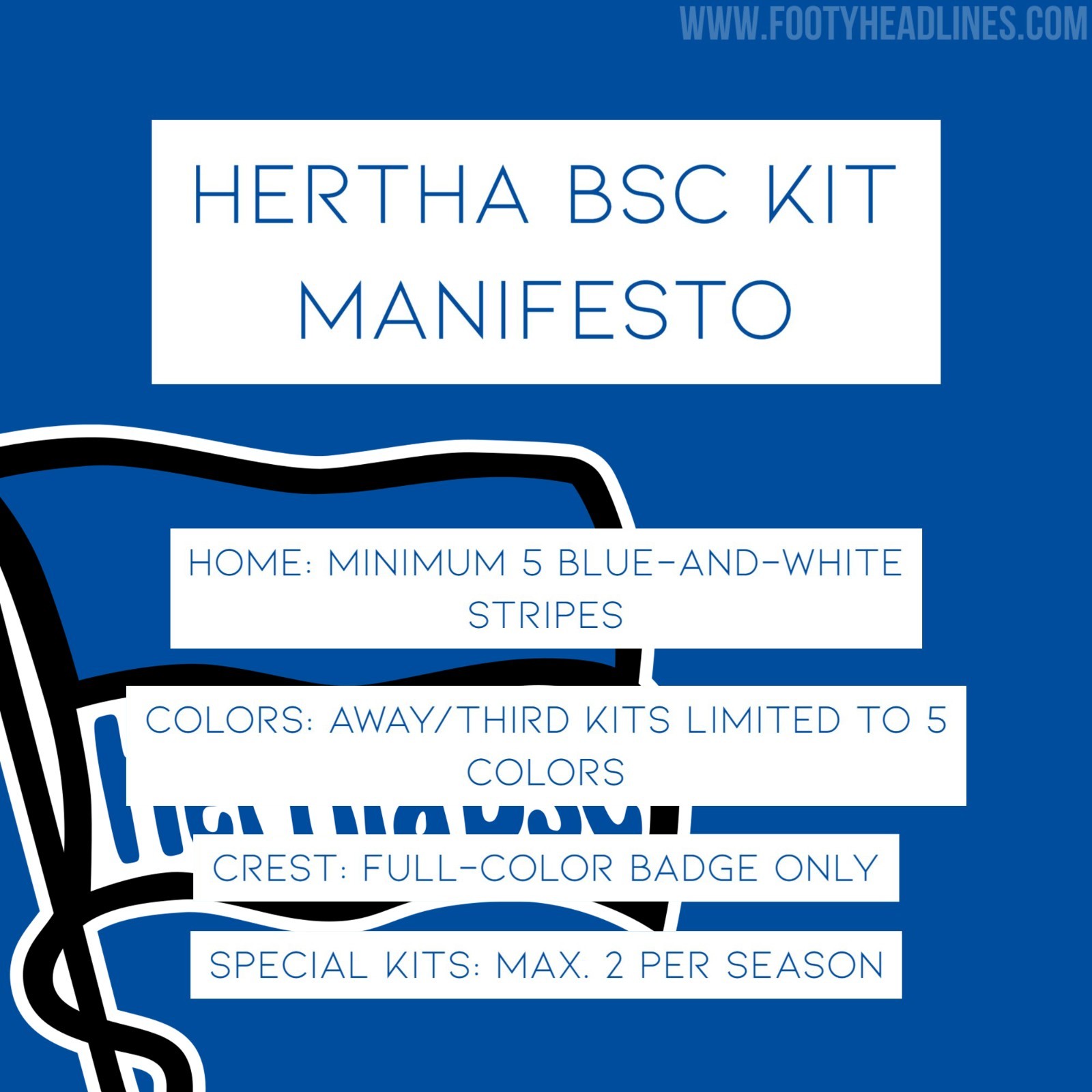
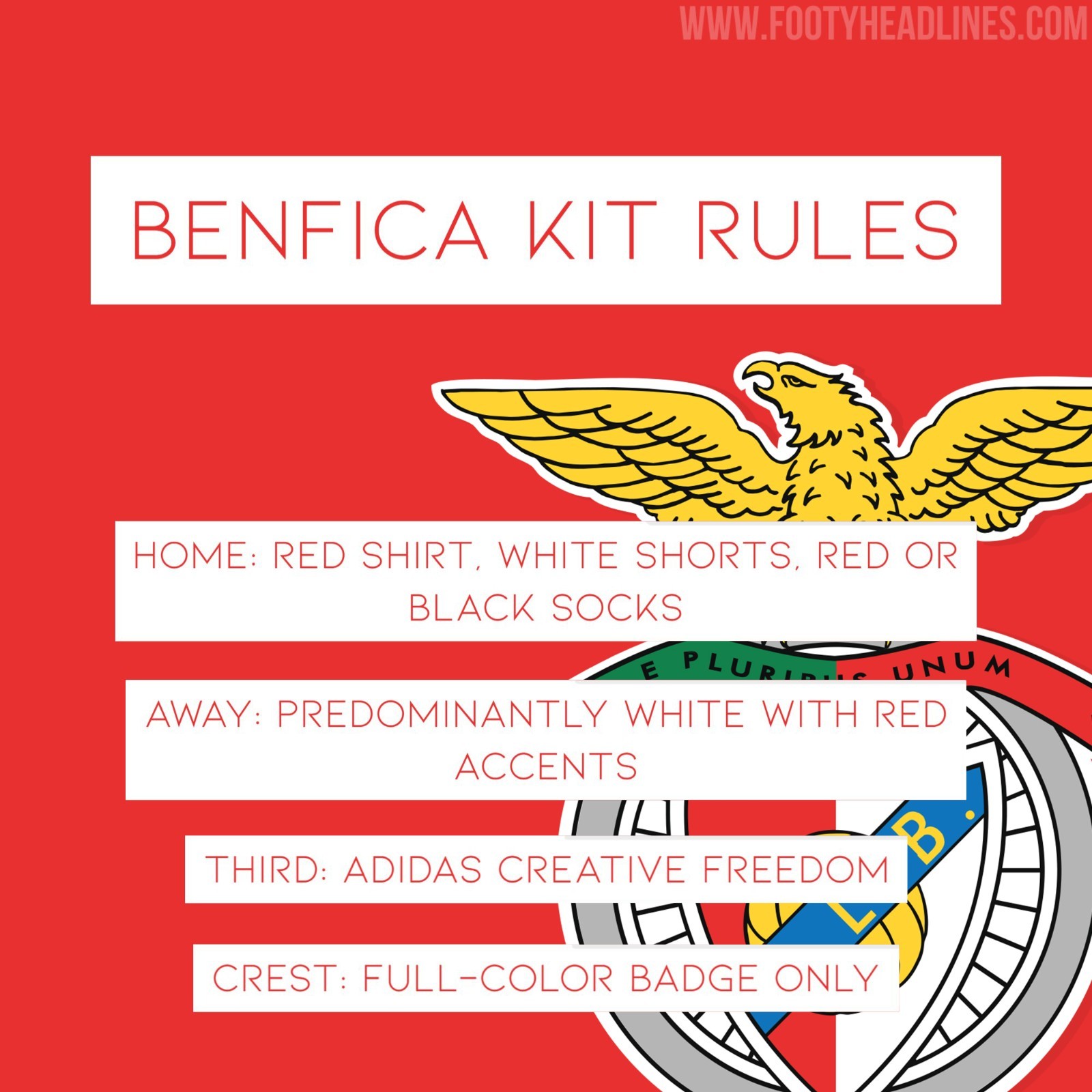
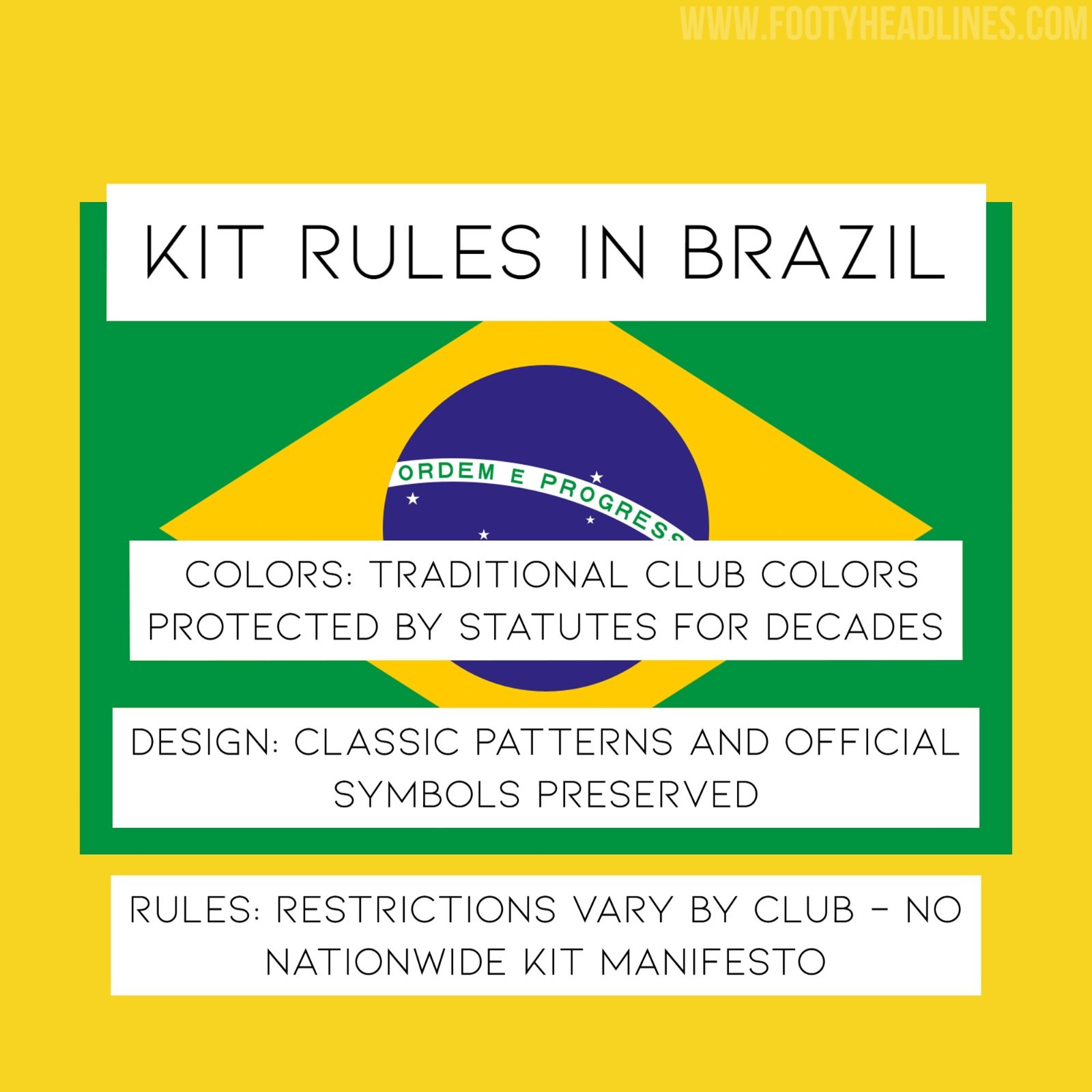
Brazilian football has operated under strict kit regulations for decades
Hertha BSC's New Kit Manifesto
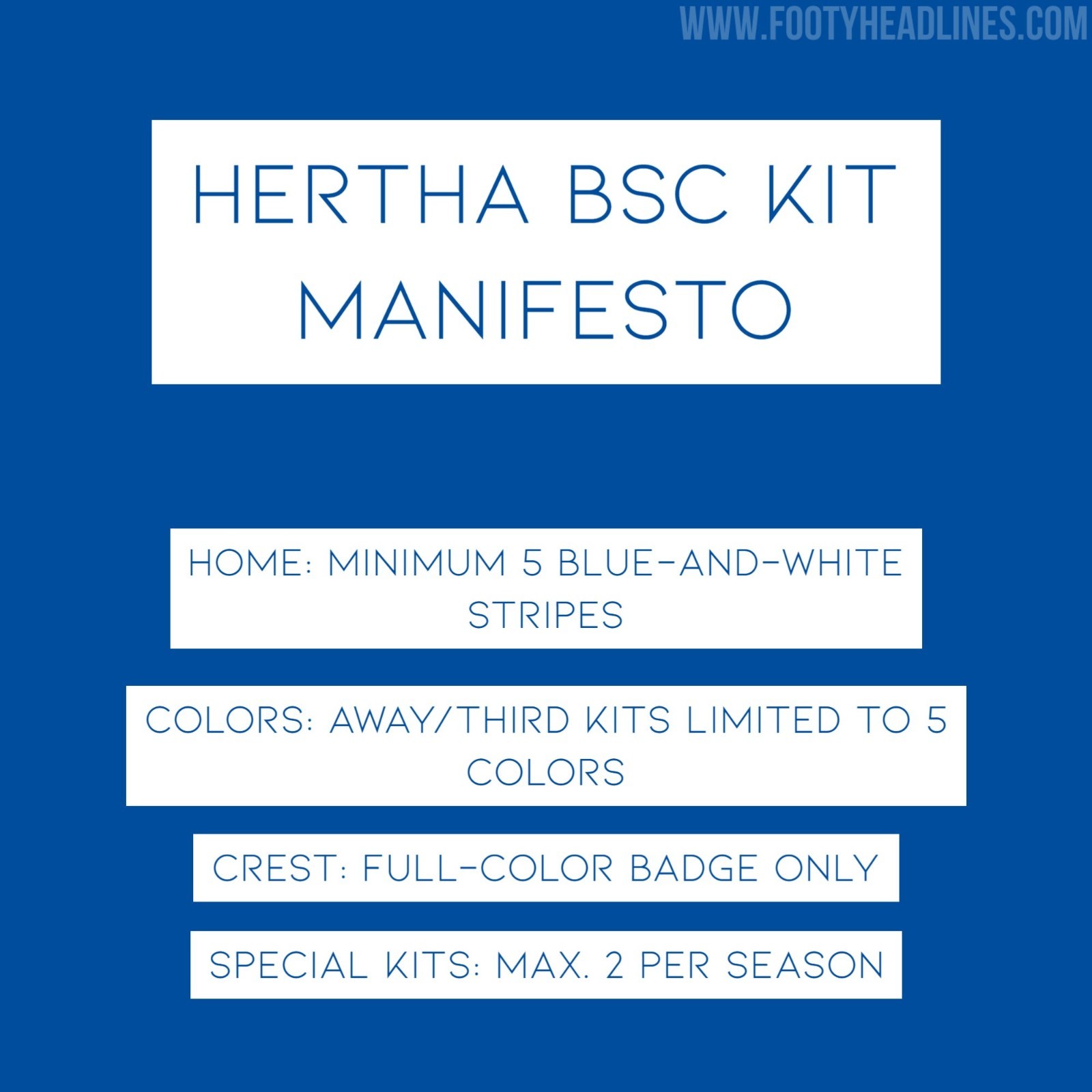
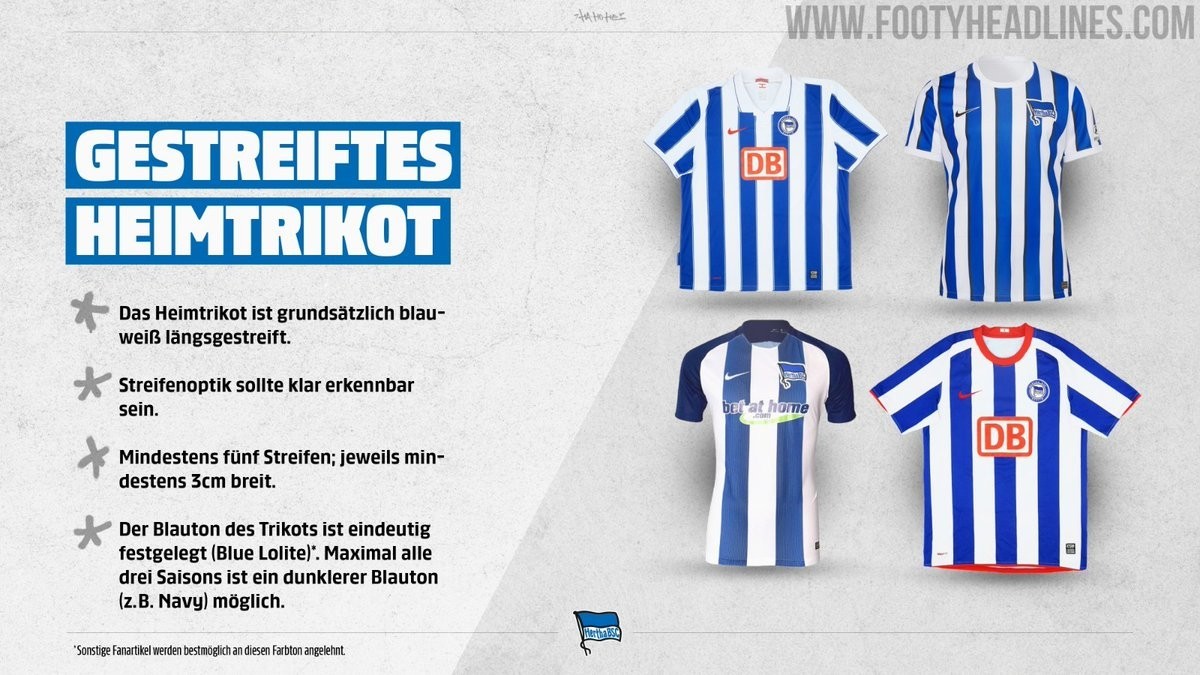
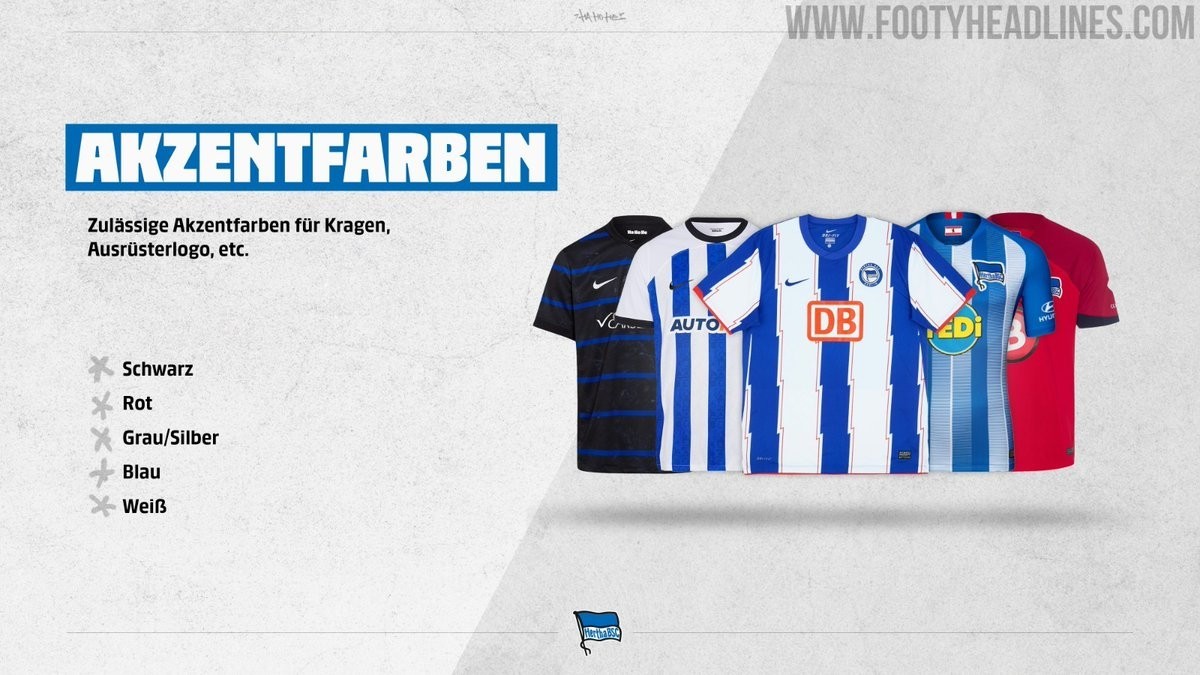
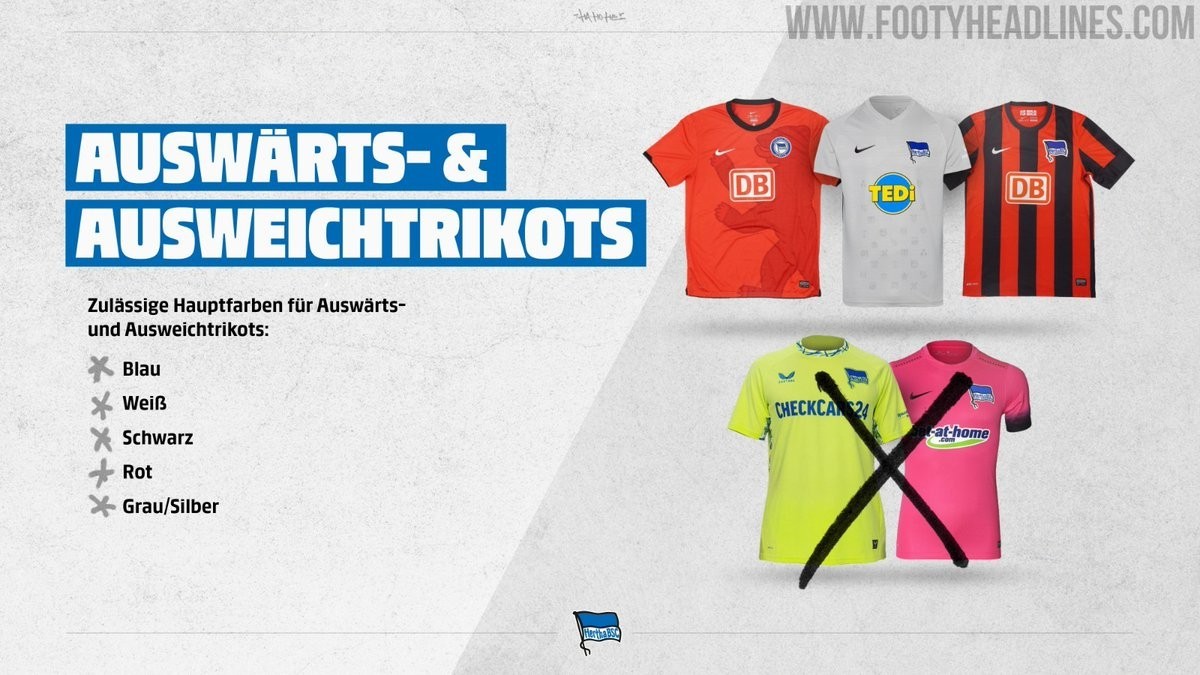
German side Hertha BSC became the latest club to formalize its aesthetic boundaries by officially publishing a comprehensive Trikotmanifest (Kit Manifesto). Developed jointly by club employees, members, and fan representatives, the document firmly anchors Hertha's home kit to traditional vertical blue and white stripes. The rules state that the home shirt must feature at least five stripes, each a minimum of three centimeters wide, using the club's defined "Blue Lolite" hue, with darker navy allowed only once every three seasons. Furthermore, wild color palettes for change strips are officially a thing of the past; away and third kits are now restricted to blue, white, black, red, or grey and silver. Perhaps most crucially for purists, recolored badges are completely outlawed, mandating the club's traditional full-color flag crest on all official match gear.
Benfica Locks In Kit Guidelines for 26-27
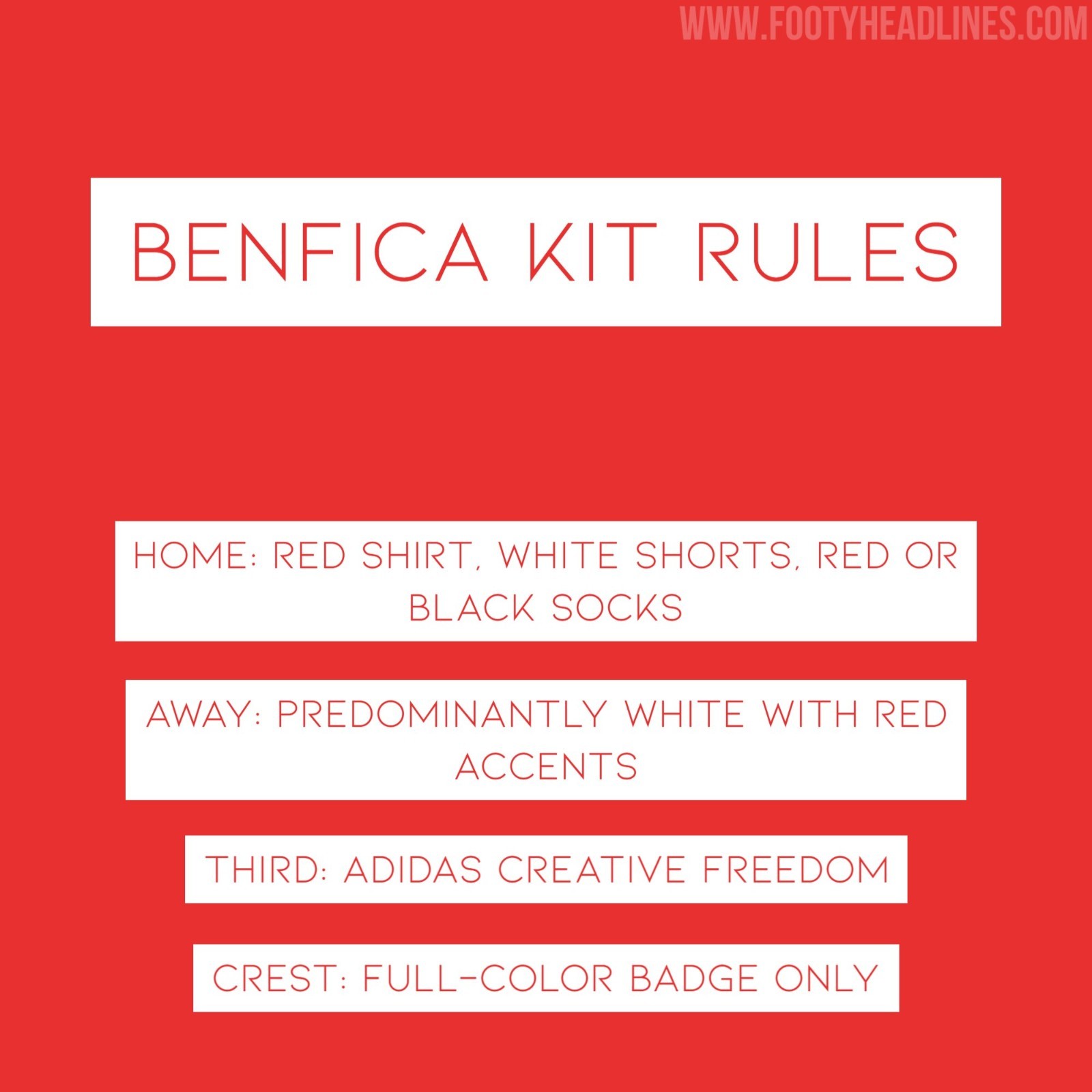
Hertha's initiative follows a similar landmark move by Portuguese giants SL Benfica. Approved by club members and officially taking effect for the 26-27 campaign, Benfica's kit regulations were introduced to safeguard the club's iconic look against overly experimental templates. Under the binding guidelines, Benfica's home shirt must always remain classic red, matched with white shorts and red or black socks. The away jersey is restricted to a predominantly white base, allowing for red accents. While kit manufacturer Adidas retains creative freedom for the third kit, monochrome crests have been banned entirely across the board, ensuring the historic full-color emblem appears on every official jersey.
Brazil's Long History of Statutory Kit Laws
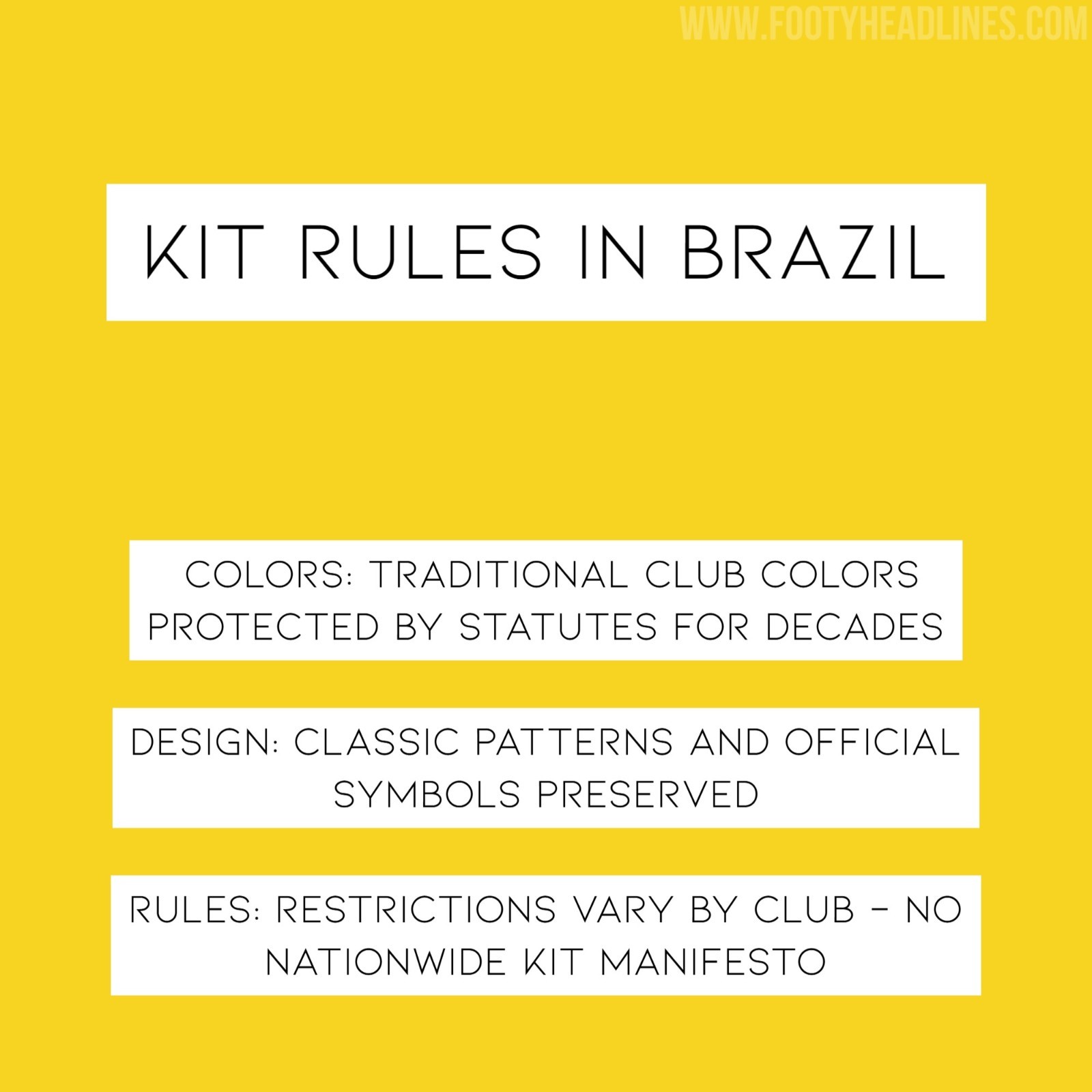
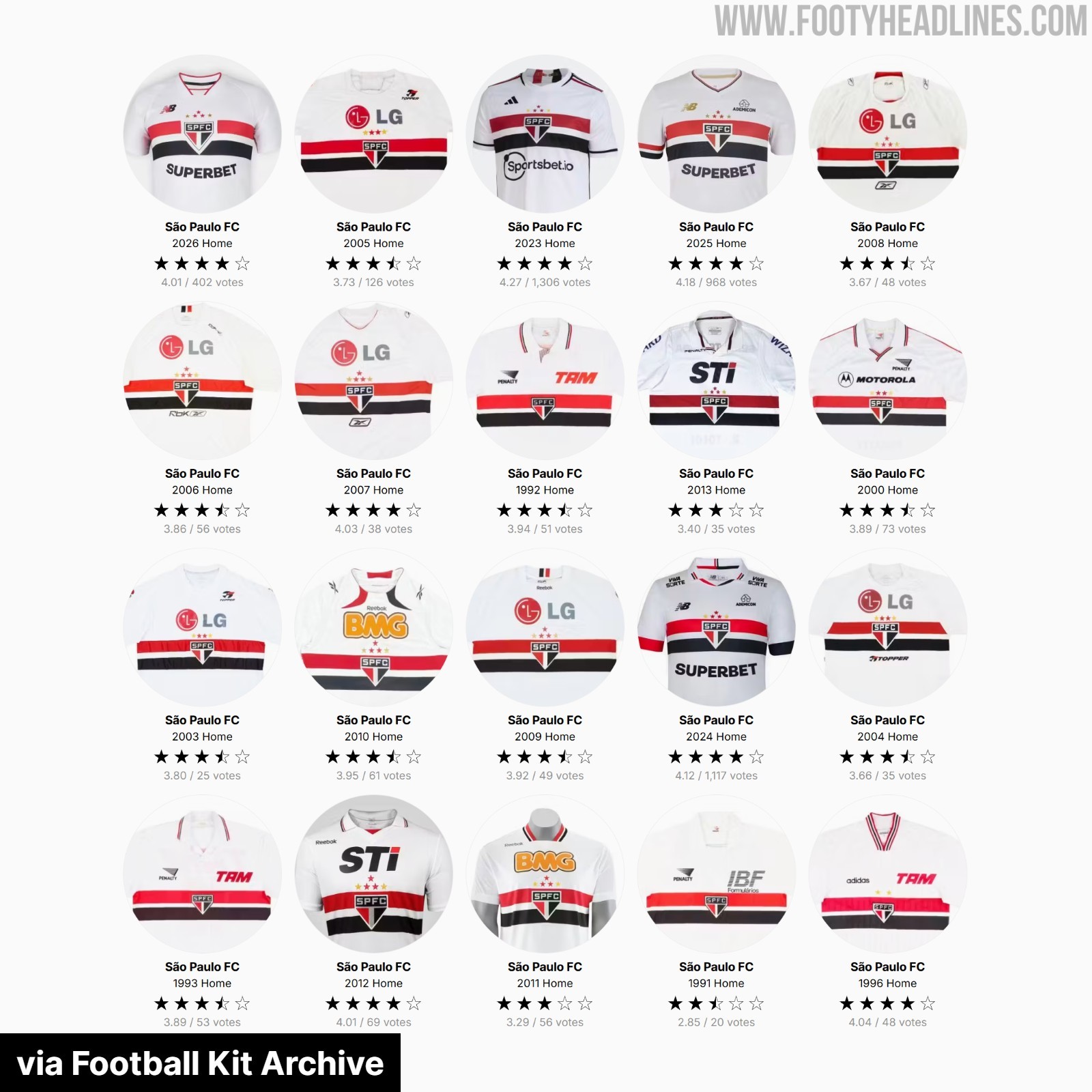
While European clubs are only recently codifying these rules into formal manifestos, Brazilian football has operated under strict kit regulations for decades through statutory law. In Brazil, a club's Estatuto Social (club constitution) legally dictates the exact specifications of match kits, and deviating from them can trigger boardroom crises. São Paulo FC's statute famously defines the exact dimensions of the horizontal chest stripes down to the centimeter and mandates that the centered club crest must overlap them. When suppliers propose subtle alterations, they often spark intense scrutiny from the club's Deliberative Council.
Similar statutory constraints exist across South American football. Grêmio's constitution explicitly forbids the use of any colors other than sky blue, black, and white on official match jerseys, preventing the club from experimenting with non-traditional shades even on third kits. Clubs such as Flamengo and Corinthians enforce similar constitutional safeguards over their primary stripes and hoops, requiring Deliberative Council approval before any third kit can be worn in competitive fixtures.
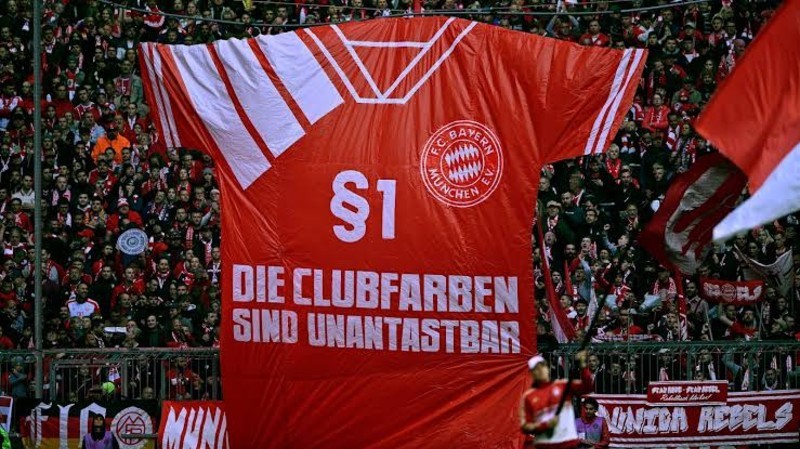
Meanwhile, some kit rules initiatives failed in our opinion. Bayern's rule states that the home kit can be red and white only, but the club continues to deliver home kits that stretch the rule to the limit.